
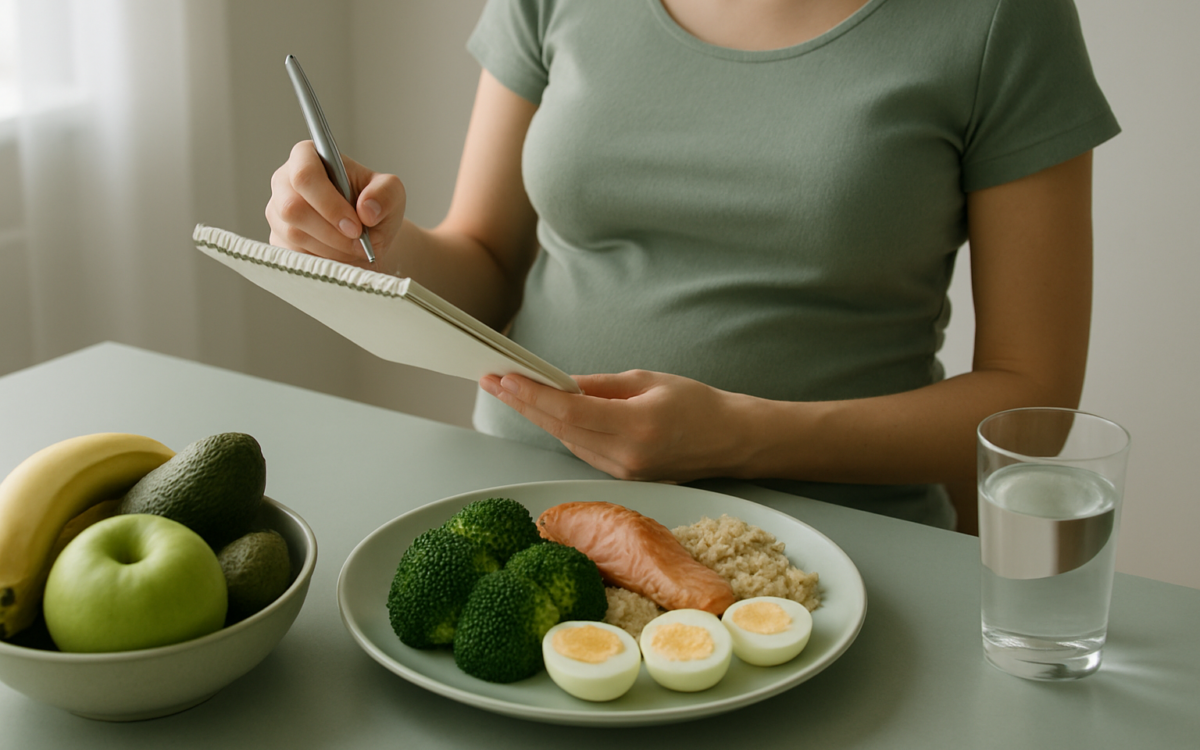
Welcome to the exciting journey of pregnancy! As you prepare for the arrival of your little one, one of the most important aspects to focus on is your nutrition. A balanced pregnancy nutrition plan not only supports your health but also lays the foundation for your baby’s growth and development. This article will guide you through essential nutrients, meal ideas, and helpful tips to ensure you and your baby get the best start possible.
Understanding the Nutritional Needs of Pregnancy
During pregnancy, your body undergoes numerous changes that increase the demand for certain nutrients. It’s important to maintain a balanced diet that accounts for these needs. Here are some key nutrients to focus on:
- Folic Acid: Vital for the development of the neural tube, which becomes the baby’s brain and spinal cord. It’s recommended that pregnant women consume at least 600 micrograms of folate daily. Foods rich in folate include leafy greens, beans, and fortified cereals.
- Iron: Essential for the production of hemoglobin, which carries oxygen to both you and your baby. Pregnant women should aim for 27 milligrams of iron daily. Great sources include lean meats, spinach, and lentils.
- Calcium: Important for building your baby’s bones and teeth. Pregnant women need around 1,000 milligrams of calcium each day. Sources include dairy products, fortified plant milk, and almonds.
- Protein: Supports the growth of fetal tissue. Aim for about 75 to 100 grams of protein daily. High-protein foods include meat, fish, eggs, beans, and nuts.
- Omega-3 Fatty Acids: Important for brain and eye development. Include sources such as fish (like salmon) and flaxseeds in your diet.
Creating Your Pregnancy Meal Plan
A well-structured meal plan can help you incorporate these essential nutrients into your daily diet. Start by planning out your meals around the core food groups:
- Fruits and Vegetables: Aim for a colorful variety. Fresh, frozen, and canned options are all great. Try smoothies for an easy way to pack in nutrients.
- Whole Grains: Choose whole-grain bread, brown rice, and oats. They provide energy and additional fiber.
- Lean Proteins: Incorporate foods like chicken, turkey, fish, and plant-based proteins such as tofu and legumes.
- Dairy or Dairy Alternatives: Include yogurt, milk, or fortified non-dairy options for calcium and vitamin D.
Here’s a sample meal plan to get you started:
- Breakfast: Whole-grain oatmeal topped with sliced bananas and a sprinkle of chia seeds.
- Snack: A handful of mixed nuts and a piece of fruit.
- Lunch: Quinoa salad with spinach, chickpeas, diced peppers, and a lemon olive oil dressing.
- Snack: Greek yogurt with honey and berries.
- Dinner: Grilled salmon, steamed broccoli, and brown rice.
Hydration Is Key
Staying hydrated is just as important as your food choices. Water plays a crucial role in supporting increased blood volume and amniotic fluid. Aim for at least 8-10 cups of fluids each day. If you find it challenging, consider:
- Carrying a water bottle to track your intake.
- Infusing water with fruits like lemon or cucumber for a refreshing twist.
- Herbal teas (without caffeine) as a warm alternative.
Dealing with Common Pregnancy Issues
Many women experience common gastrointestinal issues during pregnancy, such as nausea, constipation, or heartburn. Here are tips to address these:
- Nausea: Eat small, frequent meals and consider bland foods like crackers or toast.
- Constipation: Increase your fiber intake by including fruits, vegetables, and whole grains. Staying hydrated helps, too!
- Heartburn: Try eating smaller meals and avoiding spicy or greasy foods.
When to Consider Prenatal Vitamins
Even with a balanced diet, some women may need to supplement their nutrition with prenatal vitamins. This is especially important for folic acid and iron, which can be hard to obtain in sufficient amounts from food alone. Consult your healthcare provider to discuss whether prenatal vitamins are right for you.
When to See a Doctor
If you have concerns about your nutritional intake or experience severe nausea, vomiting, or significant weight loss, consult your healthcare provider. Regular check-ups can help ensure that you and your baby are developing healthily. Also, if you have dietary restrictions or specific health concerns, discussing your pregnancy nutrition plan with a doctor or registered dietitian can provide personalized guidance.
In conclusion, a well-structured pregnancy nutrition plan is vital for the health of both you and your growing baby. Focus on a balanced intake of essential nutrients, stay hydrated, and consult your healthcare provider when necessary. With the right approach, you can enjoy this wonderful journey while nurturing your health and your baby’s development.
