
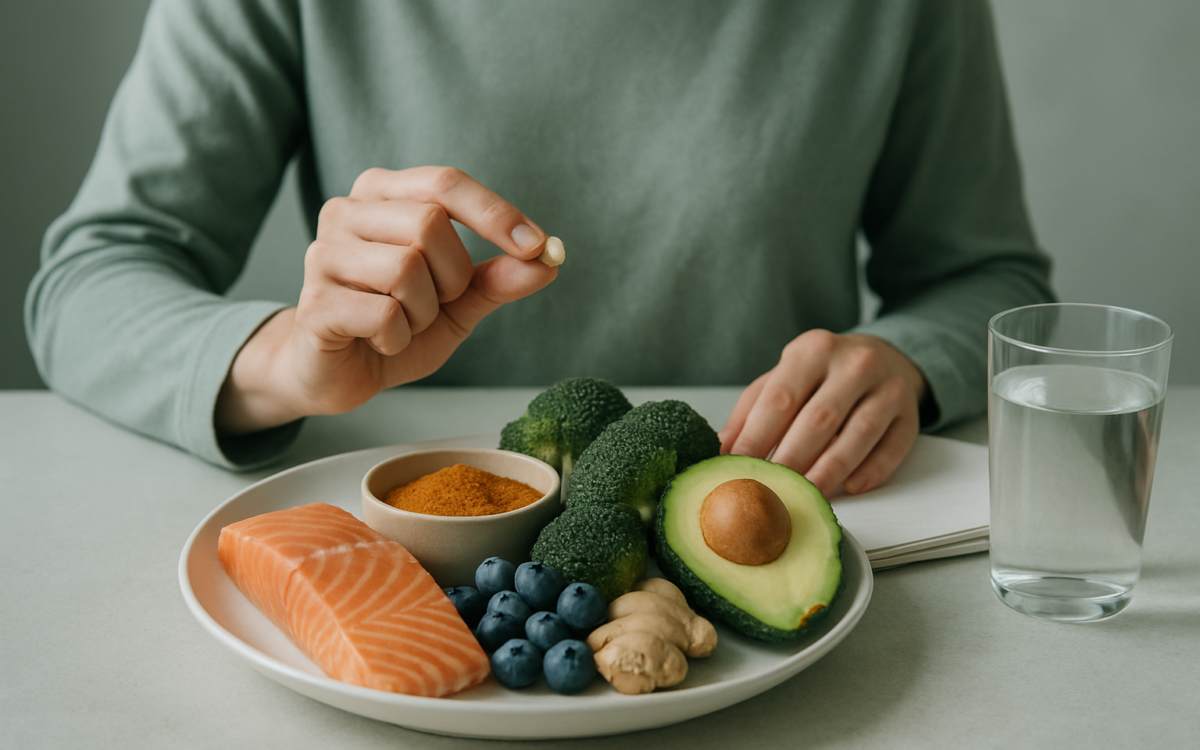
Inflammation is a natural response of the body to injury and infection. While it helps us heal, chronic inflammation is linked to various health problems, including heart disease, diabetes, and arthritis. Luckily, what we eat can significantly impact inflammation levels in our bodies. By choosing the right foods, we can support our health and well-being.
Understanding Inflammation
Inflammation occurs when the body’s immune system responds to harmful stimuli like pathogens, damaged cells, or irritants. There are two types of inflammation: acute and chronic. Acute inflammation is a short-term response that helps the body heal, while chronic inflammation lasts longer and can contribute to various diseases. Factors such as stress, lack of sleep, and an unhealthy diet can promote chronic inflammation.
The Link Between Diet and Inflammation
Research has shown that certain foods may promote inflammation while others can reduce it. This means that by making mindful dietary choices, we can potentially lower our risk of developing chronic health issues. A diet rich in anti-inflammatory foods can help keep our immune system functioning well and our body balanced.
Foods to Include in an Anti-Inflammatory Diet
1. Fruits and Vegetables: Colorful fruits and vegetables are packed with antioxidants, vitamins, and minerals. Berries, leafy greens, and tomatoes can help fight inflammation. Foods like blueberries contain a type of antioxidant called flavonoids, known for their anti-inflammatory properties.
2. Whole Grains: Whole grains like brown rice, quinoa, and oats have a higher fiber content than refined grains, which can help reduce inflammation. Fiber promotes a healthy gut, which plays a crucial role in inflammation regulation.
3. Healthy Fats: Omega-3 fatty acids found in fatty fish like salmon, as well as in flaxseeds and walnuts, are known for their anti-inflammatory benefits. A diet low in saturated fats and high in healthy fats can aid in reducing markers of inflammation in the body.
4. Nuts and Seeds: Almonds, walnuts, chia seeds, and flaxseeds offer healthy fats, fiber, and protein. Regular consumption of nuts is linked to lower inflammation levels, making them a great snack choice.
5. Spices: Certain spices, such as turmeric and ginger, have been used for centuries for their medicinal properties. Turmeric contains curcumin, which has strong anti-inflammatory effects. Incorporating these spices into your cooking can add flavor and health benefits.
Foods to Limit or Avoid
While incorporating anti-inflammatory foods is essential, it’s equally important to limit foods that can trigger inflammation. Here are some foods to be mindful of:
- Processed Foods: Many processed foods contain unhealthy trans fats and high levels of sugar, both of which can increase inflammation.
- Refined Carbohydrates: White bread, pastries, and sugary cereals can cause spikes in blood sugar and promote inflammation.
- Sugary Beverages: Soft drinks and excessive fruit juices high in sugar can lead to increased markers of inflammation.
- Excess Alcohol: Drinking too much alcohol can trigger inflammation and have adverse effects on your health.
Making Changes to Your Diet
Transitioning to an anti-inflammatory diet can be enjoyable and rewarding. Start by gradually incorporating more fruits, vegetables, whole grains, and healthy fats into your meals. Try to cook at home more often to have better control over your ingredients.
Here are some tips for beginning your anti-inflammatory journey:
- Plan Your Meals: Create a meal plan with a focus on colorful vegetables and fruits. Look up recipes that prioritize whole foods.
- Snack Wisely: Choose nuts, seeds, or yogurt as healthy snack options.
- Stay Hydrated: Aim to drink plenty of water and consider herbal teas, which can have anti-inflammatory properties.
- Experiment with Spices: Use spices like turmeric and ginger not only to add flavor but also as powerful anti-inflammatory agents.
Staying Informed and Consulting Professionals
As you explore the role of diet in reducing inflammation, it’s vital to stay informed about nutrition and health. Consulting reputable resources, like the World Health Organization (WHO) or the Mayo Clinic, can provide valuable insights. Additionally, consider speaking with a registered dietitian or nutritionist to tailor a diet plan that suits your individual needs.
When to See a Doctor
If you experience persistent symptoms of inflammation, such as unexplained pain, fatigue, or swelling, it’s important to consult a healthcare professional. They can help diagnose underlying issues and suggest appropriate interventions.
Conclusion
Reducing inflammation through diet doesn’t have to be a daunting task. By choosing anti-inflammatory foods and limiting those that can trigger inflammation, you can boost your health and enhance your well-being. Remember, each small change can lead to beneficial results over time, empowering you to live a healthier life.
