
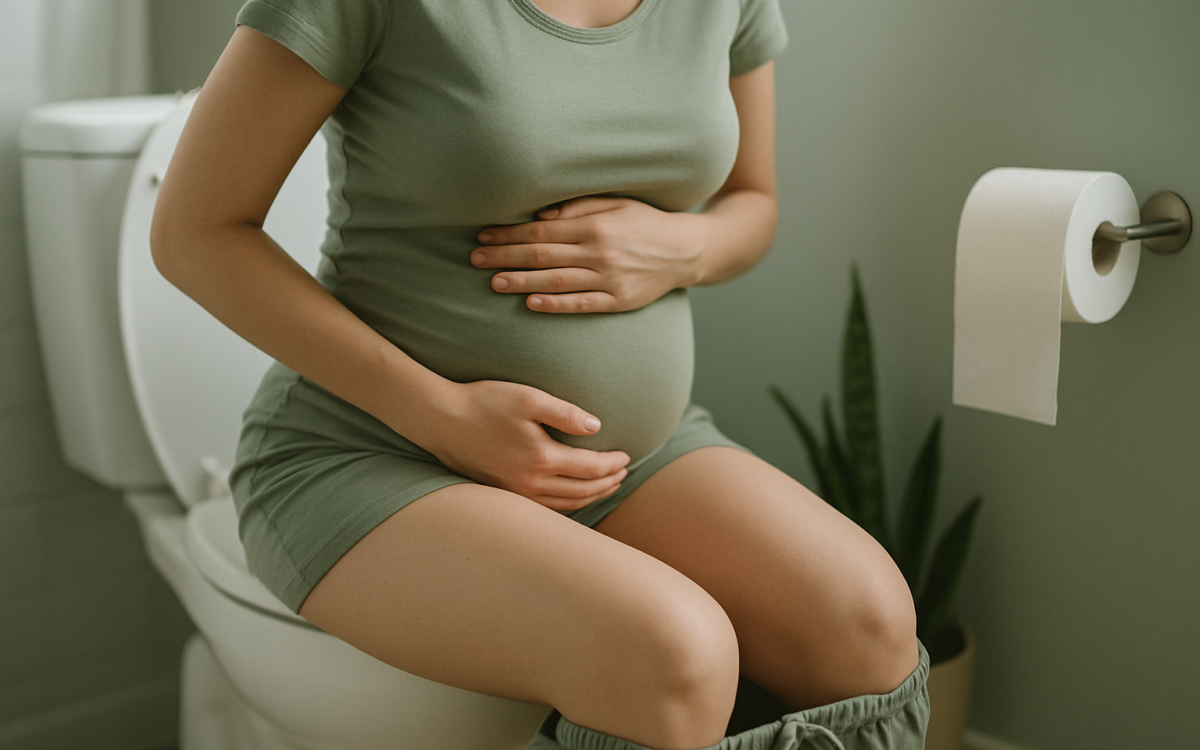
When you’re trying to conceive or are in the early stages of pregnancy, every little symptom can raise a question: could this be a sign? One symptom many women experience at some point is diarrhea. You might wonder, “Is diarrhea a sign of pregnancy?” This article delves into the possible connections, the reasons behind this symptom, and what you should keep an eye on.
Understanding early pregnancy symptoms
Pregnancy brings a whirlwind of physical and emotional changes, often leading to confusion about what is normal and what might require extra attention. Common early pregnancy symptoms include:
- Missed menstrual period
- Nausea or morning sickness
- Fatigue
- Breast tenderness
- Frequent urination
Diarrhea is not typically listed among the classic early signs of pregnancy, but that doesn’t mean it can’t occur. Understanding the complete picture of early pregnancy can help you navigate this uncertain time more clearly.
Causes of diarrhea in early pregnancy
Diarrhea can happen for various reasons during the early stages of pregnancy, including:
1. Hormonal changes
During pregnancy, your body undergoes significant hormonal shifts, particularly with increased levels of progesterone. This hormone is known to relax the muscles in your body, including those in your digestive system, which can lead to changes in bowel movements. While some women experience constipation, others may find themselves suffering from diarrhea as a result of these hormonal fluctuations.
2. Dietary changes
Pregnancy is often a time when women become more conscious of their diets. You might switch to healthier foods or increase fiber intake, which can improve bowel health but might also lead to sudden changes in your digestion. If you introduce new foods to your diet or consume more fruits and vegetables, your digestive system might need time to adjust, resulting in diarrhea.
3. Stress and anxiety
For many, pregnancy can be an emotional rollercoaster filled with excitement, but also stress and anxiety. Both stress and anxiety can greatly affect your digestive system, potentially leading to diarrhea. Being aware of your emotional health is essential as you navigate this new phase of life.
4. Food intolerances
Some women develop new food intolerances or sensitivities during pregnancy. For example, lactose intolerance can sometimes appear during this period, leading to digestive problems such as diarrhea after consuming dairy products. If you notice consistent gastrointestinal discomfort, tracking your food intake may help identify problematic foods.
Is diarrhea a reliable sign of pregnancy?
While it’s possible to experience diarrhea in early pregnancy due to the factors mentioned above, relying solely on diarrhea as an indicator of pregnancy isn’t advisable. Many conditions, such as infections or gastrointestinal disorders, can cause diarrhea regardless of pregnancy status. Thus, if you’re trying to conceive and experience diarrhea, it’s essential to evaluate other symptoms and consider taking a pregnancy test if you suspect you might be pregnant.
When to seek medical help
While mild diarrhea may not always require immediate medical attention, there are specific circumstances where consulting a healthcare provider is crucial. You should reach out to your doctor if:
- You experience diarrhea lasting more than a couple of days.
- You develop severe abdominal cramps or pain.
- You notice blood or mucus in your stool.
- You experience signs of dehydration, such as dizziness, dry mouth, or little to no urination.
- You have a fever over 101°F (38.3°C).
In particular, pregnant women should be vigilant about their health, as dehydration can pose risks both to the expectant mother and the developing fetus.
International treatment perspectives
If you’re pregnant and traveling or residing in a foreign country, it’s essential to be aware of how health recommendations might vary. Access to healthcare services and quality may differ, affecting how diarrhea is treated. For those considering international treatment or experiencing complications while abroad, organizations like Acibadem International provide resources and facilities to ensure proper care. Always consult a local healthcare provider if you encounter gastrointestinal issues while away from home.
Final thoughts
While diarrhea can happen during early pregnancy due to hormonal changes and dietary adjustments, it is not a definitive sign of pregnancy. Many factors could contribute to diarrhea, and it’s crucial to assess other symptoms and consider a pregnancy test. When in doubt or if experiencing concerning symptoms, consult your healthcare provider for personalized advice and support.
