
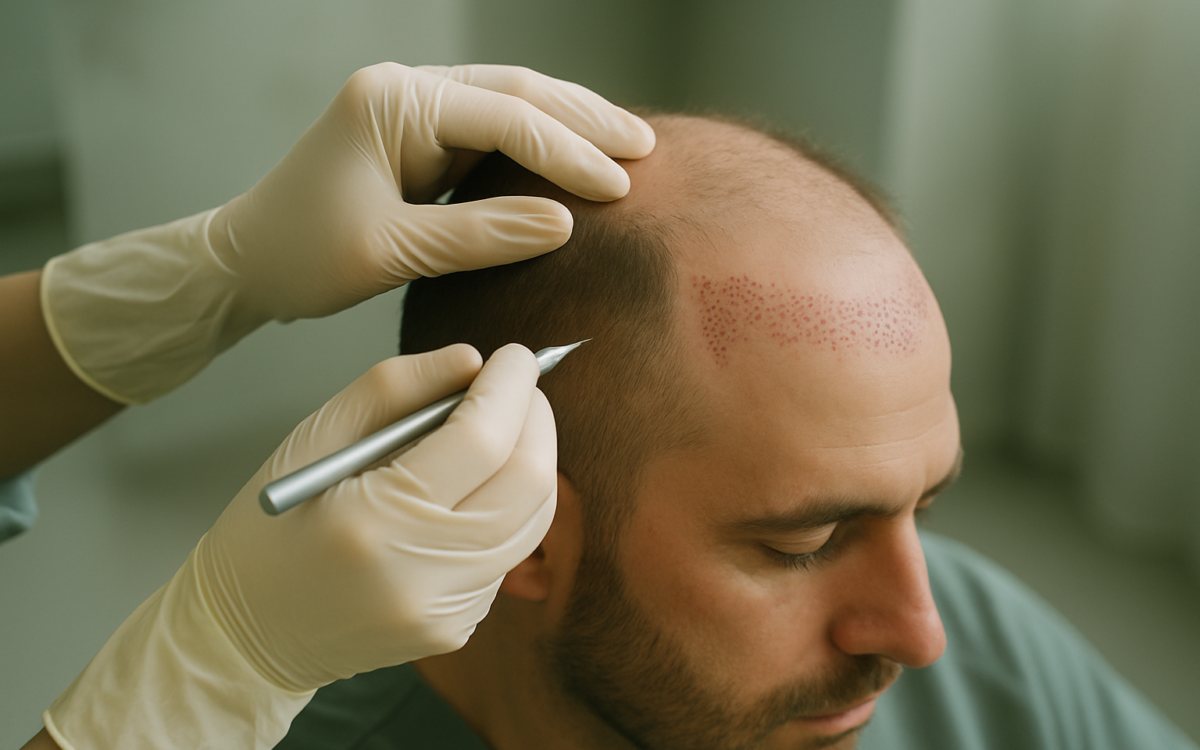
Dealing with hair loss can be a frustrating experience for many people. As we navigate through life, factors such as genetics, stress, and hormones can contribute to thinning hair or bald spots. Thankfully, advancements in medical technology have made it possible for individuals to regain their confidence through hair transplants. In this article, we’ll explore the process, benefits, and recovery associated with hair transplants.
What Is a Hair Transplant?
A hair transplant is a surgical procedure that involves moving hair follicles from one part of the body, typically the back or sides of the head, to an area experiencing hair loss. This technique is primarily used to treat male and female pattern baldness, but it can also be beneficial for those who have experienced trauma or surgery-related hair loss.
The Types of Hair Transplant Procedures
There are two main types of hair transplant procedures: Follicular Unit Transplantation (FUT) and Follicular Unit Extraction (FUE).
Follicular Unit Transplantation (FUT)
FUT involves removing a strip of skin containing hair follicles from the donor site. The strip is then divided into smaller grafts containing one to four hair follicles each. These grafts are then transplanted to the thinning areas of the scalp. Although this method can leave a linear scar, it allows for the transplantation of a larger number of grafts in a single session.
Follicular Unit Extraction (FUE)
In contrast, FUE involves extracting individual hair follicles directly from the donor area using a specialized tool. This method is less invasive and typically does not leave a linear scar, making it an appealing choice for many patients. However, it often requires more time and may result in a higher cost due to the labor-intensive nature of the procedure.
Benefits of Hair Transplants
Hair transplants offer numerous advantages for those struggling with hair loss:
- Natural-looking results: Since the hair follicles are your own, the new hair that grows looks natural.
- Improved self-esteem: Many individuals report boosted confidence and a greater sense of self after their transplants.
- Long-lasting effects: Once transplanted, the hair follicles typically continue to grow for a lifetime.
- Minimal maintenance: Compare to other hair restoration methods, such as wigs or topical treatments, hair transplants require very little upkeep.
Understanding the Hair Transplant Process
The hair transplant process generally involves several steps:
- Consultation: Start with a consultation with a qualified specialist. They will evaluate your hair loss and discuss options available to you.
- Preparation: Before surgery, you may need to stop certain medications or avoid smoking for a period of time.
- Procedure: The procedure typically lasts six to eight hours, depending on the number of grafts being transplanted. Local anesthesia is administered to minimize discomfort.
- Recovery: After the procedure, you can expect some swelling and discomfort in the donor and recipient areas.
Recovery and Aftercare
Post-transplant recovery is crucial for optimal results. Here are some tips for managing recovery:
- Follow instructions: Adhere to your surgeon’s aftercare instructions closely. This may include using specific shampoos and avoiding certain activities.
- Avoid physical exertion: For the first few days post-surgery, avoid strenuous activities, as they can increase swelling and jeopardize the healing process.
- Monitor for complications: It’s essential to watch for any signs of infection or unexpected reactions.
Potential Risks and Considerations
While hair transplants can be life-changing, they are not without risks. Some possible complications include:
- Infection: Like any surgical procedure, there is a risk of infection at the donor or recipient site.
- Scarring: Both FUT and FUE can leave scars, but the visibility will vary depending on the technique used.
- Unnatural appearance: If not done correctly, the results can appear unnatural, leading to disappointment.
It’s crucial to choose a qualified and experienced surgeon to minimize these risks. Check their credentials and read patient reviews to make an informed decision.
When to See a Doctor
If you are facing significant hair loss or considering a hair transplant, schedule a consultation with a healthcare professional specializing in hair restoration. They can provide an accurate diagnosis and help you determine if a hair transplant is the right choice for you. It is also advisable to discuss any pre-existing health conditions or medications you may be taking that could affect the procedure.
Ultimately, hair loss is a common issue, but finding the right treatment can make all the difference. Engaging with the right medical professionals can guide you through the options available, helping you make a choice that suits your needs.
Conclusion
In conclusion, hair transplants offer a viable solution for individuals struggling with hair loss. By understanding the types, benefits, and process involved, you can make an informed decision about whether this treatment is right for you. Always consult with a qualified healthcare provider to explore your options further.
