
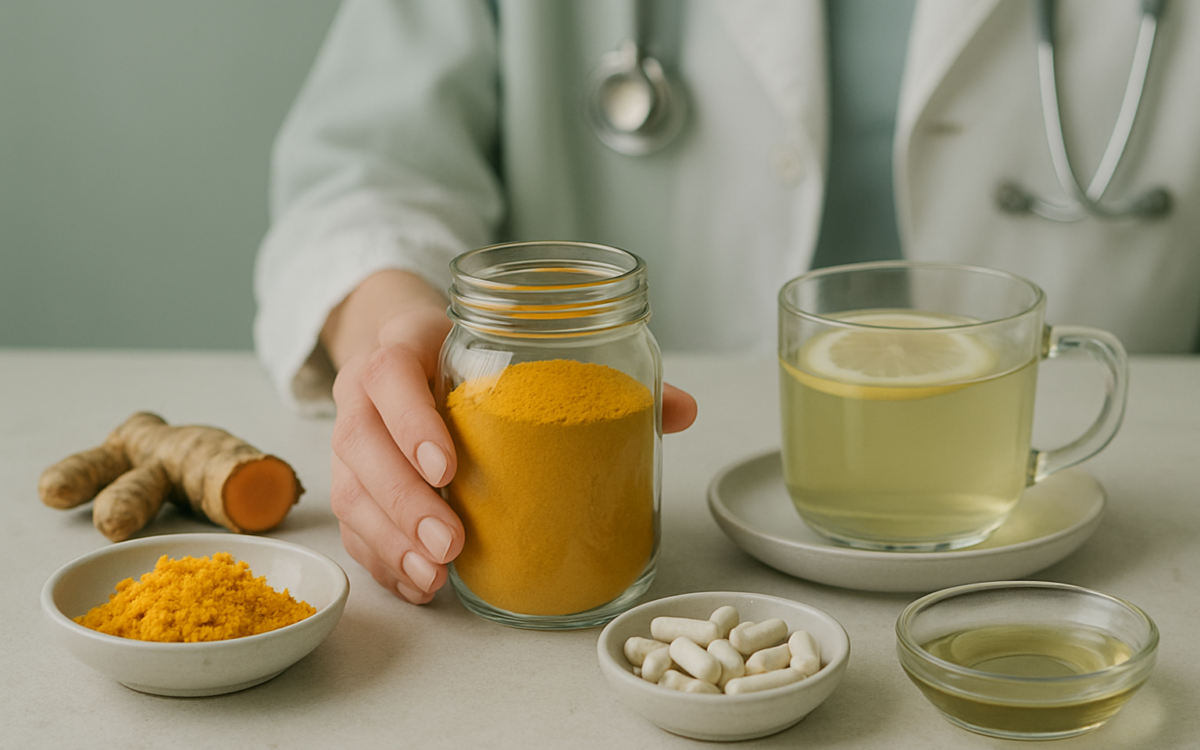
Inflammation is a natural response of the body, designed to protect us from infection and injury. However, chronic inflammation can lead to various health problems, including heart disease, diabetes, and arthritis. As more people seek natural alternatives for managing inflammation, understanding the strongest natural anti-inflammatories can help you make informed choices for your health.
What Are Natural Anti-Inflammatories?
Natural anti-inflammatories come from foods, herbs, and spices that help reduce inflammation in the body without the side effects often associated with pharmaceutical medications. Many of these compounds are rich in antioxidants, which can neutralize harmful free radicals and support overall health.
Turmeric: The Golden Spice
Turmeric, a bright yellow spice commonly used in curry, is renowned for its powerful anti-inflammatory properties. The active ingredient in turmeric is curcumin, which has been shown to inhibit the molecules that trigger inflammation in the body. Studies indicate that curcumin may be as effective as some anti-inflammatory medications without the side effects. Adding turmeric to your diet can be as simple as utilizing it in cooking or consuming it in supplement form. However, it’s worth noting that curcumin is better absorbed when combined with black pepper.
Health Benefits of Turmeric
- Reduced joint pain in arthritis patients
- Improved symptoms of inflammatory bowel disease
- Better heart health by lowering inflammation markers
Ginger: A Spicy Root with a Punch
Traditionally used to help with nausea and digestion, ginger also possesses potent anti-inflammatory properties. Research suggests that ginger can reduce the production of inflammatory compounds, effectively relieving pain and swelling in conditions such as arthritis. Incorporating ginger into your meals, teas, or smoothies can offer both flavor and health benefits.
Health Benefits of Ginger
- Alleviated muscle soreness after exercise
- Reduced menstrual pain
- Lowered inflammation associated with chronic diseases
Omega-3 Fatty Acids: Heart-Healthy Fats
Omega-3 fatty acids, commonly found in fish oil, flaxseeds, and walnuts, are essential fats that play a crucial role in reducing inflammation. They inhibit the production of inflammatory substances in the body. Consuming fatty fish like salmon or sardines, or adding chia seeds and walnuts to your diet, can help increase your omega-3 intake. Research shows that omega-3 fatty acids may benefit conditions like rheumatoid arthritis, cardiovascular diseases, and other inflammatory conditions.
Health Benefits of Omega-3 Fatty Acids
- Improved joint function
- Reduced risk of heart disease
- Enhanced brain health
Green Tea: More Than Just a Tasty Beverage
Green tea is not just a calming drink; it is packed with antioxidants, particularly catechins, which are known for their anti-inflammatory effects. Studies have shown that green tea can lower inflammation markers in the body and may reduce the risk of chronic diseases associated with inflammation. Regular consumption of green tea can be a simple yet effective way to support overall health.
Health Benefits of Green Tea
- Improved metabolic rate and fat burning
- Enhanced brain function
- Reduced risk of Type 2 diabetes
Other Notable Natural Anti-Inflammatories
While turmeric, ginger, omega-3 fatty acids, and green tea are among the most researched natural anti-inflammatories, several other foods also offer benefits:
- Berries: Rich in antioxidants, particularly anthocyanins, which can help reduce inflammation.
- Olive oil: Contains oleocanthal, which has been shown to have similar effects as ibuprofen in reducing inflammation.
- Garlic: Known for its immune-boosting properties, garlic can also help lower inflammation.
When to See a Doctor
While incorporating natural anti-inflammatories into your diet can offer therapeutic benefits, it’s important to consult your doctor if you experience persistent or severe inflammation. Chronic inflammation can be a sign of underlying health issues that need professional attention. Your physician can help you determine the best approach for managing your health.
In conclusion, nature offers a variety of powerful substances that can help combat inflammation. From turmeric and ginger to omega-3 fatty acids and green tea, integrating these natural anti-inflammatories into your diet can support your health and well-being. Always consider discussing new supplements or significant dietary changes with your healthcare provider to ensure they fit your individual health needs.
