
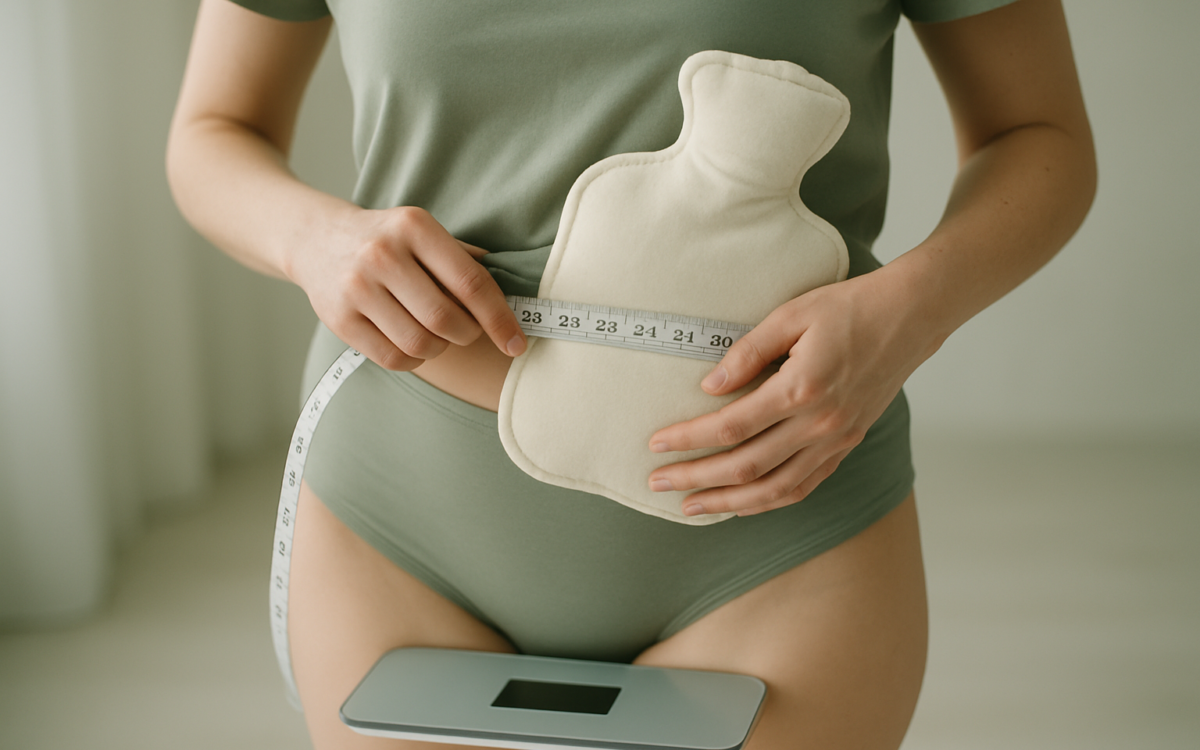
Many women have heard the saying that they burn more calories during their period or that PMS cravings can derail their weight loss goals. But is there any truth to that? In this article, we’ll explore the connection between your menstrual cycle and calorie expenditure to separate fact from fiction.
Understanding Your Menstrual Cycle
Your menstrual cycle spans roughly 28 days, although it can vary from person to person. This cycle consists of different phases: the follicular phase, ovulation, the luteal phase, and menstruation. Each phase brings distinct hormonal changes that can affect your body in various ways, including metabolism and caloric burn.
Hormones and Metabolism
Hormones play a significant role in how your body uses energy. During the menstrual cycle, two key hormones—estrogen and progesterone—fluctuate. Estrogen levels peak just before ovulation, potentially increasing metabolism slightly. On the other hand, progesterone rises in the luteal phase, which can lead to increased appetite and cravings for carbohydrates.
Studies suggest that during the luteal phase, which occurs before your period, your basal metabolic rate (BMR) may increase by 5 to 10%. This can mean slight increases in calorie burn, but the difference may not be substantial enough to significantly impact your overall caloric expenditure. According to the NIH, hormonal fluctuations can affect resting energy expenditure, but individual experiences may vary.
Calories Burned During Menstruation
When your period arrives, certain women report feeling more fatigued, which might discourage them from exercising. While resting calorie burn may remain elevated, energy levels often dictate how active someone feels. However, some studies indicate that the body’s energy demands can drop slightly during menstruation, meaning you might not burn more calories during this time.
The difference in calorie expenditure during your period is not drastic. A review in the American Journal of Clinical Nutrition points out that even with hormonal changes, the overall caloric burn doesn’t significantly change across the menstrual cycle for the average woman. This indicates that while some may experience variations, they do not result in major metabolic differences.
Tracking Your Own Patterns
Every individual experiences their menstrual cycle differently. Some women may feel more energized and active, while others might feel bloated and sluggish. Keeping track of your physical and emotional symptoms throughout your cycle can give you individualized insight into how your body responds. Consider journaling or using a tracking app to note your energy levels, cravings, and workout performance over time. This personal data can help you understand when you might feel your best for exercise and when you may need to rest.
Adjusting Fitness Routines
Many women find it beneficial to tailor their workout regimens based on their menstrual cycle. For example, those who feel energized during the follicular phase may want to try high-intensity workouts or strength training. In contrast, during the luteal phase or menstruation, some may prefer light exercises such as yoga or walking. The key is to listen to your body and adjust accordingly. This approach not only helps in maintaining a consistent routine but can also enhance your overall well-being.
Nutrition’s Role During Your Cycle
Your dietary needs may also fluctuate with your menstrual cycle. Hormone changes can affect cravings and nutrient needs. For instance, you may crave more carbohydrates when progesterone is high, often in the luteal phase. Incorporating nutrient-dense foods that provide energy while satisfying cravings can help you manage hunger and maintain your energy levels. Focus on whole grains, fruits, vegetables, lean proteins, and healthy fats. This balanced diet supports your body during all phases of your cycle.
When to See a Doctor
If you encounter extreme changes in your cycle, experience drastic weight fluctuations, or face severe pain or discomfort during periods, it’s advisable to consult a healthcare provider. They can help evaluate your symptoms and provide guidance tailored to your specific situation.
Conclusion
The question of whether you burn more calories on your period doesn’t have a simple answer. While hormonal fluctuations can slightly influence metabolism, individual responses vary widely, and significant changes in caloric burn may not be noticeable. Ultimately, the best approach is to understand your body and adjust your exercise and nutrition habits to fit your personal cycle. Keeping a regular check on how you feel throughout the month can guide you in making healthier choices that support your overall well-being.
