
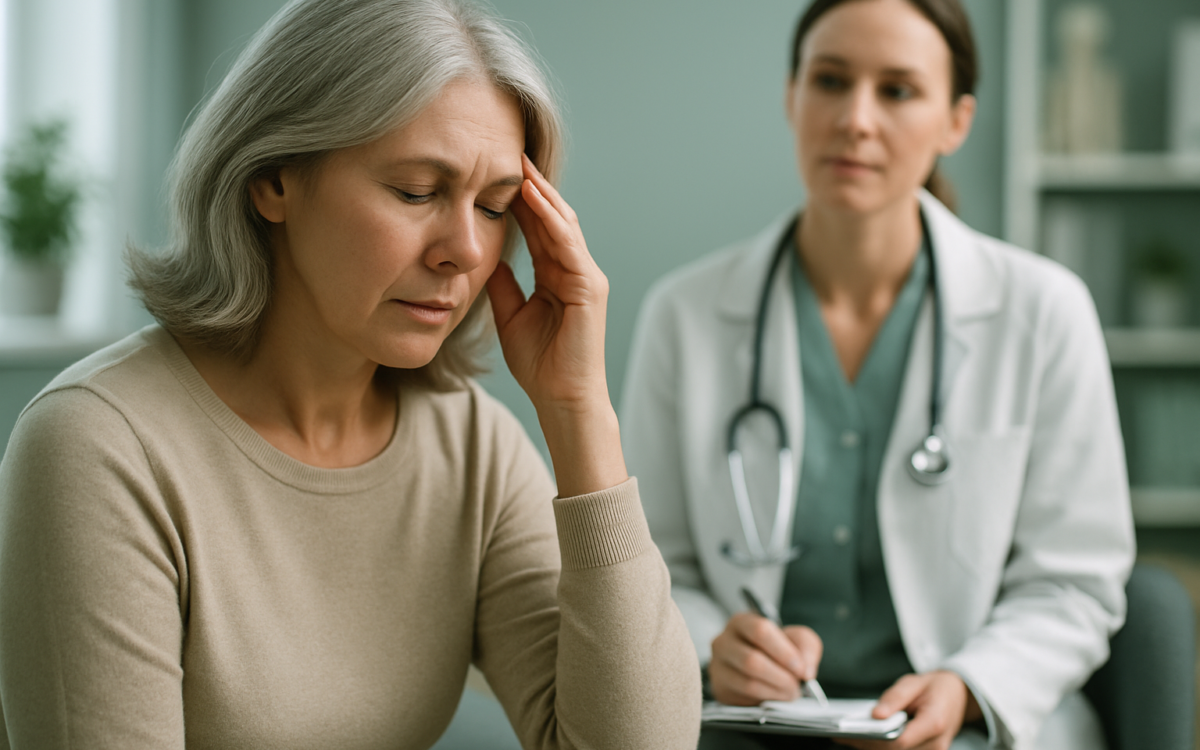
Menopause can be a confusing time for many women. It’s often filled with a mix of relief, confusion, and sometimes concern as changes occur in the body. Understanding menopause is crucial not only for coping with the symptoms but also for navigating what comes next. One question that often arises is: Does menopause ever end? To answer this, it’s important to first understand the different phases of menopause, the symptoms associated with it, and how these can vary widely from person to person.
What is Menopause?
Menopause is a natural biological process marking the end of a woman’s reproductive years. It is officially diagnosed after twelve consecutive months without a menstrual period. While the average age for menopause is around 51, it can occur anywhere from the late 30s to the late 50s.
Menopause doesn’t happen all at once; it’s a gradual process that unfolds over several years, often beginning with a phase called perimenopause. During this time, women may experience irregular periods and a range of symptoms.
The Phases of Menopause
Menopause can be divided into three primary phases:
- Perimenopause: This transition phase can last anywhere from a few months to several years. It usually begins in a woman’s 40s and marks the time when hormone levels start to fluctuate.
- Menopause: Menopause officially begins when a woman has not had a period for twelve consecutive months. The ovaries significantly reduce hormone production, leading to the cessation of menstruation.
- Postmenopause: This stage begins after menopause has been confirmed. Women may continue to experience symptoms like hot flashes and mood changes, but others might find relief as hormone levels stabilize at a lower rate.
How Long Does Menopause Last?
Once menopause begins, the so-called postmenopausal phase lasts for the rest of a woman’s life. However, the intensity and duration of symptoms like hot flashes, night sweats, and mood swings can vary greatly.
According to the National Institutes of Health, most women experience menopause and its associated symptoms for several years, though some may continue to have symptoms into their 60s. Approximately 1 in 10 women report having significant quality-of-life issues due to menopausal symptoms long after their periods have stopped.
It’s crucial to recognize that postmenopause does not mean the end of all menopause-related changes. Some women continue to struggle with symptoms, influenced by various factors like genetics, lifestyle, and overall health.
Common Symptoms and Their Duration
During and after menopause, women may encounter various physical and emotional symptoms. Some of the most common include:
- Hot flashes
- Nights sweats
- Vaginal dryness
- Sleep disturbances
- Mood changes
- Memory issues
While hot flashes often begin during perimenopause, they can last anywhere from a few months to several years after menopause, with some women experiencing them long-term.
The good news is that many treatment options can help ease these symptoms. Hormone therapy is one method that has been shown to be effective, but it’s essential to discuss this with a healthcare provider to determine whether it is suitable for you.
Seeking Treatment for Menopausal Symptoms
Finding relief from menopausal symptoms may lead women to explore various treatments, ranging from over-the-counter medications to lifestyle changes and hormone therapies. It’s vital to consult your healthcare professional to create a tailored approach that suits your unique needs and preferences.
For those seeking care outside of their local options, Acibadem International offers a range of services for women experiencing menopausal symptoms. Their expertise can provide additional support and resources as you navigate this transitional time.
Living Postmenopause
While you may encounter challenges during the transition and after menopause, many women navigate this stage with positive adjustments in lifestyle and mindset. Self-care practices such as regular exercise, a balanced diet, and mindfulness techniques can contribute to better overall health.
Additionally, open discussions about menopause with friends and health care providers can foster a supportive community, making the experience less isolating.
When to See a Doctor
If you are experiencing symptoms that disrupt your daily life or are unsure about the stages of menopause, it’s essential to consult your doctor. They can guide you through managing symptoms effectively and help you understand what to expect as you transition into this new phase of life.
Conclusion
Menopause is a significant period in a woman’s life, characterized by hormonal changes that can lead to various symptoms. While menopause itself does not
