
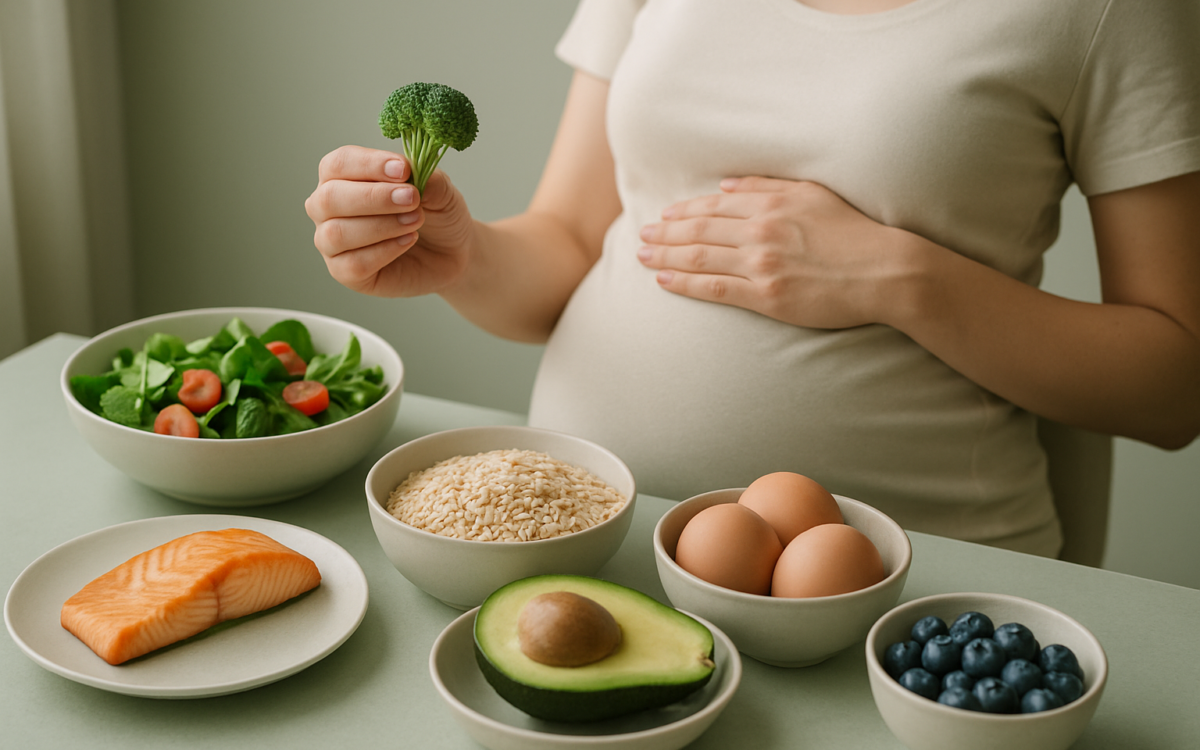
Pregnancy is an exciting time filled with anticipation and change. One of the most important aspects of this journey is nutrition. The right foods can help both mother and baby thrive during these months. In this article, we’ll explore the best foods to eat during pregnancy, focusing on what can nourish you and support your little one’s development.
Lean Proteins: Building Blocks for Baby
Proteins are crucial during pregnancy because they help build your baby’s tissues and organs. Incorporating lean proteins into your diet can give you the energy you need and ensure your baby receives essential nutrients.
- Chicken and turkey: Skinless, baked, or grilled chicken is an excellent source of protein and iron.
- Fish: Fish like salmon is rich in omega-3 fatty acids, which are important for brain development. Be cautious with high-mercury fish, such as shark or swordfish.
- Legumes: Beans, lentils, and chickpeas are packed with protein and fiber, making them great vegetarian options.
Fruits and Vegetables: Nature’s Vitamins
Fruits and vegetables are vital for their vitamins, minerals, and antioxidants. A colorful plate will help you get a variety of nutrients essential for your baby’s development.
- Leafy greens: Spinach, kale, and other leafy vegetables provide folate, which is crucial for preventing neural tube defects.
- Berries: High in vitamin C and antioxidants, berries can help support your immune system and overall health.
- Citrus fruits: Oranges, lemons, and grapefruits not only provide vitamin C but also help with hydration.
Dairy Products: Calcium for Baby’s Bones
Dairy products are a fantastic source of calcium, which is essential for your baby’s developing bones and teeth. They also provide protein and beneficial fats.
- Milk: Aim for low-fat or fat-free options to get the nutrients without excess saturated fat.
- Yogurt: Greek yogurt is especially high in protein and can be a tasty snack or breakfast option.
- Cottage cheese: A great source of calcium, cottage cheese is versatile and can be enjoyed in various dishes.
Whole Grains: Fueling Your Energy
Whole grains are an excellent energy source, providing fiber, vitamins, and minerals. Choosing whole grains over refined grains can lead to better health outcomes during pregnancy.
- Brown rice and quinoa: These grains are high in fiber and can keep you feeling full longer.
- Oats: Oats are a great addition to breakfast and are high in fiber, which can help with digestion and prevent constipation.
- Whole grain bread: Look for bread labeled 100% whole grain for a nutritious option.
Healthy Fats: Supporting Brain Development
Healthy fats are crucial during pregnancy as they support your baby’s brain development. Incorporating these fats into your diet can promote overall health.
- Avocados: Rich in monounsaturated fats, avocados also provide potassium and fiber.
- Nuts and seeds: Almonds, walnuts, and flaxseeds are excellent sources of healthy fats, protein, and omega-3s.
- Olive oil: Using olive oil in dressings or cooking can provide heart-healthy fats.
For those seeking international insight into optimal prenatal nutrition, visiting resources like acibademinternational.com can offer a wealth of information on dietary guidelines tailored to different cultures.
Hydration: Don’t Forget Your Fluids!
Staying hydrated is essential during pregnancy. Water helps transport nutrients and supports the increased blood volume in your body. Aim for at least 8-10 glasses of water a day, depending on your activity level and climate.
In addition to water, you can also obtain hydration from:
- Herbal teas: Certain herbal teas can be soothing and hydrating but choose those recommended for pregnancy.
- Soups: Broths or vegetable soups are another way to increase fluid intake and can be nutrient-dense.
- Fruits: Many fruits, like watermelon and cucumbers, have high water content and contribute to your hydration.
When to See a Doctor
If you have concerns about your diet or experience unusual symptoms during pregnancy, it’s essential to reach out to your healthcare provider. They can provide personalized advice and ensure you and your baby are healthy.
Conclusion
Eating well during pregnancy is about balance and making informed choices. By focusing on a variety of nutrient-rich foods—lean proteins, colorful fruits and vegetables, dairy, whole grains, healthy fats, and plenty of water—you can support your health and your baby’s development. While it may seem overwhelming, small changes can make a significant difference in how you feel and how your baby grows. Remember to consult your healthcare provider for personalized advice.
