
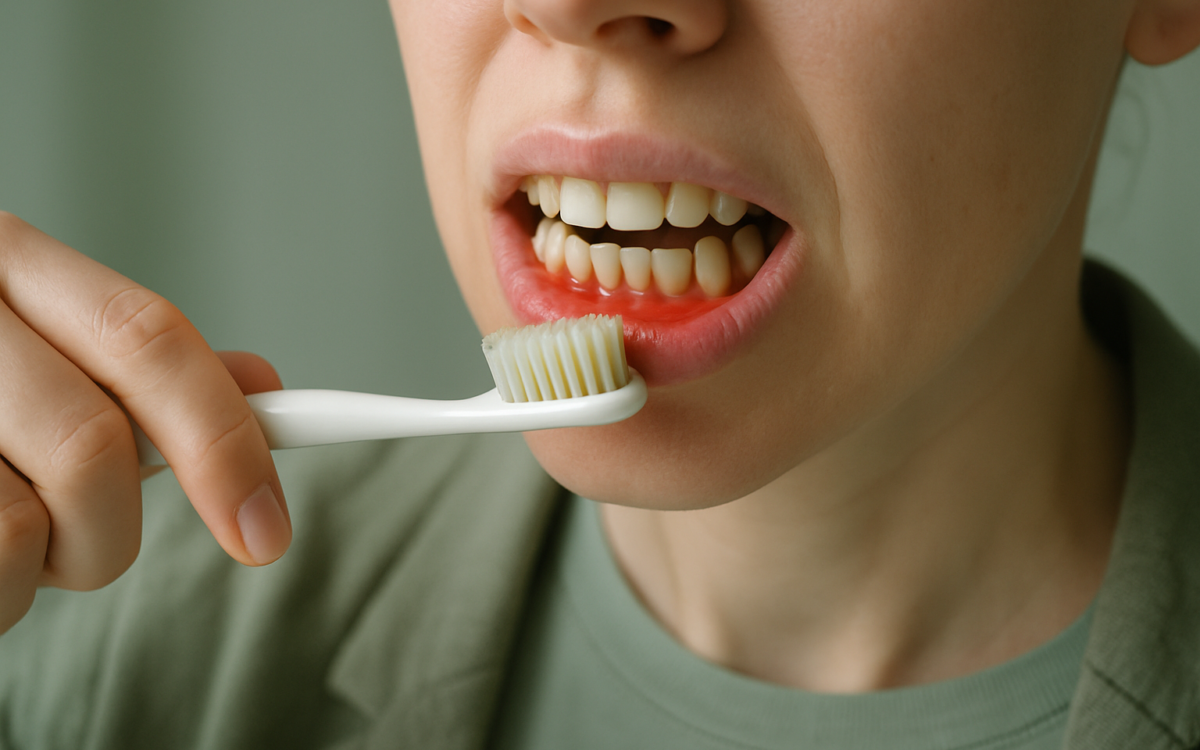
Inflamed gums can be an unsettling experience that may cause discomfort or pain. Often a sign of gum disease, this condition may arise for various reasons, ranging from poor dental hygiene to underlying health issues. Understanding how to manage inflamed gums not only helps alleviate immediate discomfort but also protects your overall oral health.
Understanding the Causes of Inflamed Gums
Inflamed gums, medically known as gingivitis, may result from several factors:
- Poor Oral Hygiene: The most common cause of inflamed gums, plaque buildup from not brushing and flossing regularly can irritate the gum tissue.
- Tobacco Use: Smoking or using other tobacco products can impair gum health, making inflammation more likely.
- Nutritional Deficiencies: Lack of essential nutrients, especially vitamin C, can lead to weaker gums.
- Medical Conditions: Certain health issues, such as diabetes or hormonal changes (like those during pregnancy), can increase the risk of gum problems.
- Medications: Some medications that reduce saliva flow may also contribute to gum inflammation.
Home Remedies to Reduce Gum Inflammation
There are several effective home remedies and practices you can incorporate into your routine:
1. Maintain Good Oral Hygiene
The foundation of gum health lies in proper oral hygiene. This includes brushing your teeth twice a day with fluoride toothpaste and flossing daily. Regular dental check-ups are also essential, as a professional cleaning can remove tartar that regular brushing might miss.
2. Rinse with Saltwater
A simple saltwater rinse is an effective way to soothe inflamed gums. Mix one teaspoon of salt in a glass of warm water and swish it around your mouth for 30 seconds. This can help reduce swelling and promote healing.
3. Use Antimicrobial Mouthwash
Over-the-counter antimicrobial mouthwashes can help kill bacteria that cause gum inflammation. Look for products that contain chlorhexidine or essential oils, which can help reduce plaque buildup and cleanse the gums.
4. Apply Cold Compresses
If your gums are swollen and painful, applying a cold compress can help numb the area and reduce inflammation. Simply wrap ice in a cloth and gently press it against the affected gums for 10-15 minutes.
5. Consume a Nutritious Diet
A healthy diet promotes overall gum health. Incorporate plenty of fresh fruits and vegetables, particularly those high in vitamin C, such as oranges, strawberries, and broccoli. Avoid sugary snacks and beverages that can worsen gum issues.
When Lifestyle Modifications May Not Be Enough
While home remedies can be quite effective, it’s important to recognize when professional help may be necessary. If you notice persistent swelling, bleeding, or pain in your gums despite taking measures at home, it’s crucial to seek professional advice.
Medical Treatments for Inflamed Gums
In some cases, a dentist may recommend additional treatments, such as:
- Scaling and Root Planing: This deep-cleaning procedure removes plaque and tartar beneath the gum line.
- Medications: Your dentist may prescribe antibiotics to combat bacterial infection or recommend medicated mouthwashes.
- Surgery: Severe cases of gum disease might require surgical intervention, such as flap surgery or grafting.
Preventing Future Gum Inflammation
Once you successfully manage inflamed gums, maintaining gum health becomes crucial. To prevent future gum problems, consider the following:
- Regular Dental Visits: Schedule biannual check-ups and cleanings with your dentist.
- Consistent Oral Care Routine: Stick to a daily routine of brushing and flossing.
- Avoid Tobacco: Quit smoking or using tobacco products for better gum health.
- Stay Hydrated: Drinking enough water helps keep your mouth moist and washes away food particles.
When to See a Doctor
If home treatments are not effective, or if you experience severe pain, persistent bleeding, or bad breath, consult a dentist promptly. Gum diseases can lead to more severe health concerns, so it’s important to address ongoing issues as soon as possible. For more information on gum health, you can visit trusted sources like the Mayo Clinic or the CDC.
Taking proactive steps can help you alleviate the discomfort associated with inflamed gums while ensuring they remain healthy in the long run. Remember, a combination of good habits, like proper oral hygiene and regular check-ups, is key to maintaining a beautiful smile and healthy gums.
