
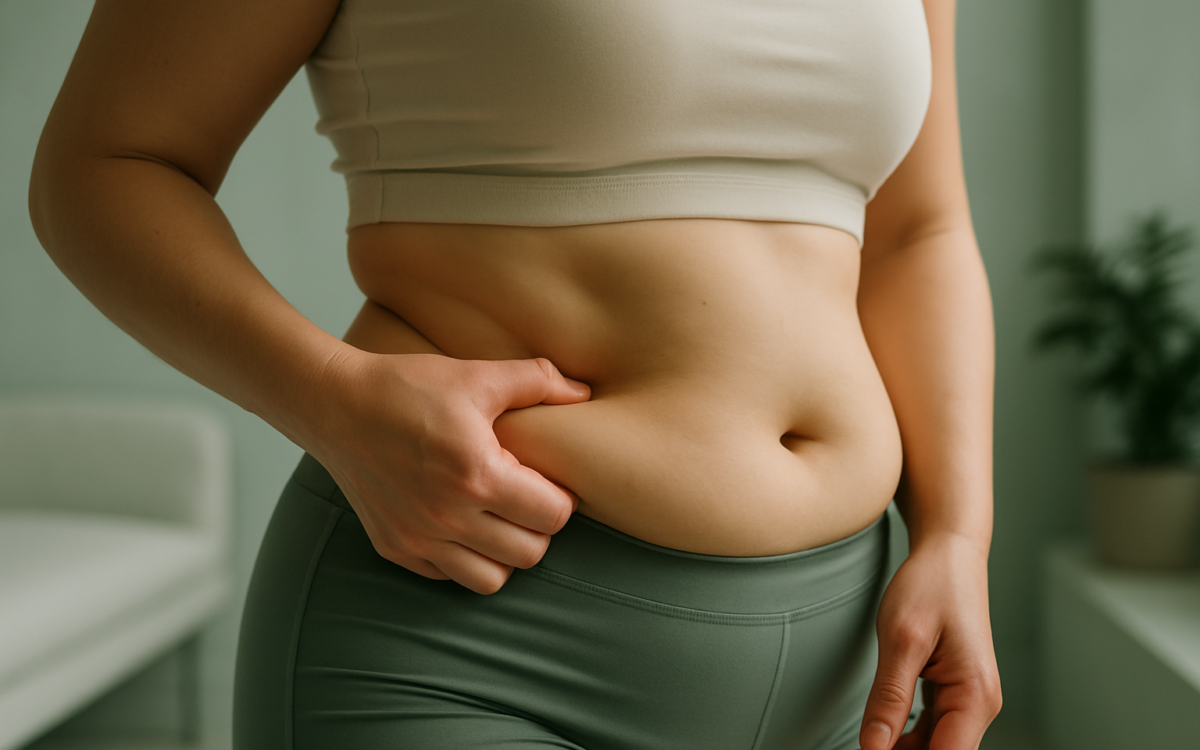
Many people notice extra fat around their midsection that can be stubborn and hard to shift. Often referred to as ‘love handles’, this fat can be frustrating, especially when trying to fit into your favorite clothes. But don’t worry—there are effective strategies to reduce love handles and achieve a healthier body shape!
Understanding Love Handles
Love handles are pockets of fat that extend over the hips. They can appear when you gain weight and are often a result of an unhealthy diet and sedentary lifestyle. While spot reduction (losing fat in a specific area) isn’t effective, love handles can improve with a combination of overall fat loss and targeted exercises.
1. Review Your Diet
One of the foundational steps in conquering love handles is to examine your diet. This doesn’t mean you need to adhere to a strict or trendy diet; rather, it’s about making healthier choices.
Focus on Whole Foods
- Include plenty of fruits and vegetables.
- Choose whole grains over refined grains.
- Opt for lean proteins such as chicken, fish, beans, and legumes.
- Incorporate healthy fats from sources like avocados, nuts, and olive oil.
In addition, consider monitoring your portion sizes to ensure you’re not overeating. Some studies suggest that keeping a food diary can aid in becoming more aware of your eating habits (National Institutes of Health).
2. Engage in Regular Physical Activity
Exercise is crucial for managing body fat and improving overall health. A consistent routine that includes both cardiovascular exercise and strength training can help you lose excess fat.
Cardiovascular Exercises
Cardio helps burn calories, making it an effective way to lose fat. Aim for at least 150 minutes of moderate aerobic activity each week. Good options include:
- Brisk walking
- Running or jogging
- Cycling
- Dancing
Strength Training
Building muscle through strength training can also increase your resting metabolic rate, meaning you’ll burn more calories even when at rest. Include exercises targeting your core to help tone the area:
- Planks
- Side planks
- Russian twists
- Squats
3. Manage Stress Levels
High stress can lead to increased levels of cortisol, a hormone that can promote weight gain, especially around the abdomen. Finding effective ways to manage stress is essential for overall well-being and fat reduction.
Stress-Reducing Techniques
Consider incorporating practices such as:
- Mindfulness meditation
- Yoga or tai chi
- Deep-breathing exercises
- Taking regular breaks or engaging in hobbies
4. Ensure Adequate Sleep
Sleep plays a crucial role in weight management. Lack of sleep can disrupt hormones that regulate appetite, leading to cravings and increased calorie intake. Strive for 7-9 hours of quality sleep each night.
5. Stay Hydrated
Water is essential for overall health, and it can also aid in weight loss. Drinking enough water can help control hunger and prevent overeating. Drinking water before meals may also help you consume fewer calories.
Tips for Staying Hydrated
Keep a water bottle with you during the day and aim for 8-10 glasses of water. If you struggle with plain water, consider:
- Infusing your water with fruits or herbs
- Drinking herbal teas
- Consuming water-rich foods such as cucumbers and oranges
When to See a Doctor
If you find that despite your best efforts, love handles persist or if you’re struggling with significant weight changes, it may be helpful to consult a healthcare provider. They can offer personalized guidance based on your health needs and may help rule out any underlying conditions.
Conclusion
Reducing love handles is a journey that requires a combination of smart dietary choices, regular exercise, stress management, sufficient sleep, and hydration. Remember that it’s not just about aesthetics; it’s about improving your overall health and well-being. Stay patient and consistent in your efforts, and don’t hesitate to reach out to healthcare professionals for support along the way!
