
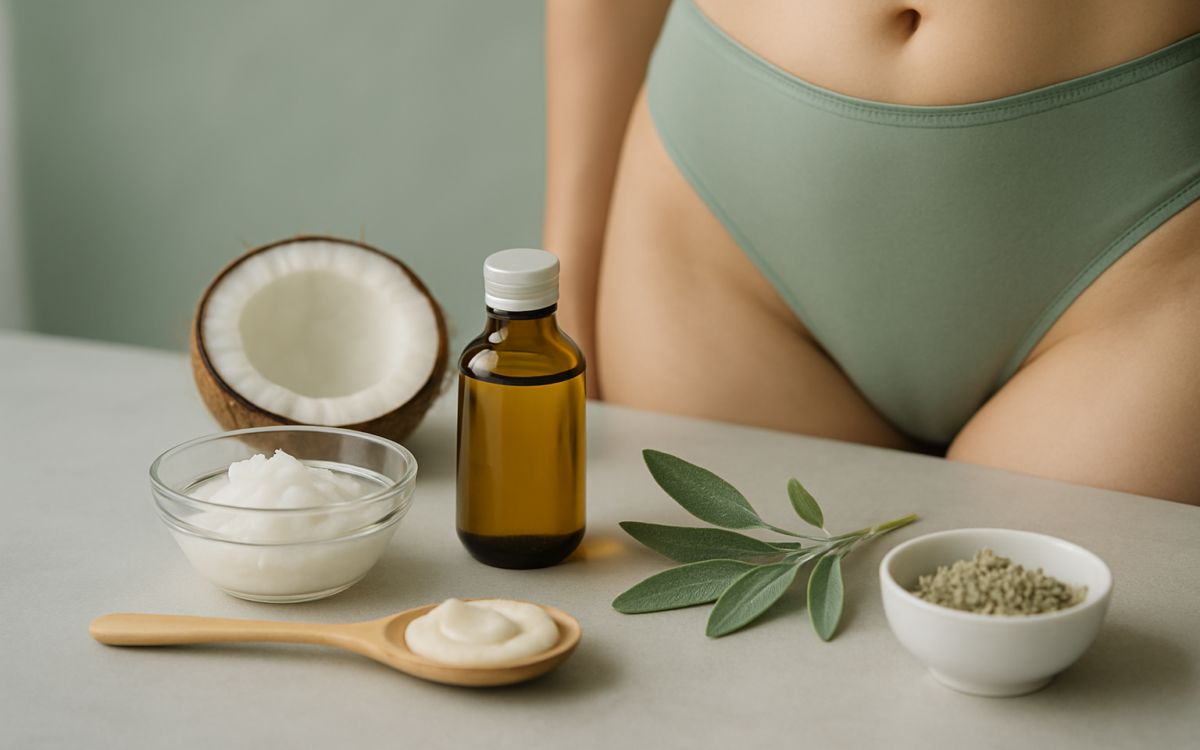
Experiencing vaginal dryness can be uncomfortable and disheartening. It’s a common issue many women face at various life stages, whether due to hormonal changes, medication, or stress. Fortunately, there are natural remedies that can help restore moisture and provide a sense of relief. If you’re looking for solutions beyond traditional treatments, read on to explore some effective natural options.
Understanding Vaginal Dryness
Vaginal dryness refers to a lack of moisture in the vaginal area, leading to discomfort, irritation, and sometimes pain during intercourse. While it can affect women of all ages, it’s most frequently reported during menopause, breastfeeding, or as a side effect of certain medications. Other factors include hormonal imbalances, stress, and even diet.
Hydration Matters
Staying hydrated is crucial for overall health, including vaginal health. When your body is well-hydrated, it can help maintain moisture levels in all tissues, including your vagina.
- Drink plenty of water: Aim for at least 8 cups of water daily to help keep your body hydrated.
- Limit dehydrating drinks: Cut back on caffeine and alcohol, as these can lead to dehydration.
- Eat hydrating foods: Incorporate fruits and vegetables with high water content, like cucumbers, watermelon, and oranges.
Essential Fatty Acids
Essential fatty acids (EFAs) are vital for maintaining healthy skin and mucous membranes. They can also aid in alleviating vaginal dryness.
- Fish oils: Rich in omega-3 fatty acids, these can be consumed through fish like salmon, mackerel, or via supplements.
- Flaxseeds: Ground flaxseeds can be added to smoothies or oatmeal for a boost in EFA intake.
- Walnuts: Snack on walnuts to take advantage of their high omega-3 content.
Herbal Solutions
Many women find relief from vaginal dryness through herbal remedies. While it’s important to consult a healthcare provider before starting any new herbal regimen, some options have been shown to help:
- Flaxseed oil: It may help to increase moisture levels and reduce dryness.
- Evening primrose oil: Often used in supplement form, it may support hormonal balance and improve skin hydration.
- Red clover: This herb is thought to have estrogen-like properties that could help support vaginal health.
Topical Natural Moisturizers
Applying natural moisturizers to the vaginal area can provide immediate relief from dryness. Here are some commonly used options:
- Coconut oil: With its anti-inflammatory and moisturizing properties, coconut oil can be a safe and effective lubricant.
- Aloe vera: Known for its soothing properties, pure aloe vera gel can also help soothe irritation.
- Vitamin E oil: This can be applied topically to help with dryness and promote healing.
Modify Your Lifestyle
Making small adjustments to your lifestyle can significantly impact vaginal dryness. Here are some strategies to consider:
- Manage stress: Stress can affect hormone levels, contributing to dryness. Incorporate relaxation techniques, such as yoga or meditation, into your routine.
- Regular exercise: Physical activity boosts circulation, which can help support healthy vaginal tissues.
- Avoid irritants: Be cautious with fragranced soaps, bubble baths, and wipes that may disrupt the natural balance of your vagina.
When to See a Doctor
If natural remedies don’t provide relief or if you experience severe discomfort, unusual odor, or abnormal discharge, it’s essential to consult a healthcare provider. These could be signs of an underlying condition that needs attention. Your doctor can provide you with personalized recommendations based on your health history and lifestyle.
Overall, while vaginal dryness can be a challenging issue to navigate, numerous natural remedies can help restore comfort and moisture. From hydration and dietary adjustments to herbal solutions and topical moisturizers, there are many paths to finding relief. Remember, if you’re unsure or if symptoms persist, don’t hesitate to reach out to a healthcare professional for guidance.
