
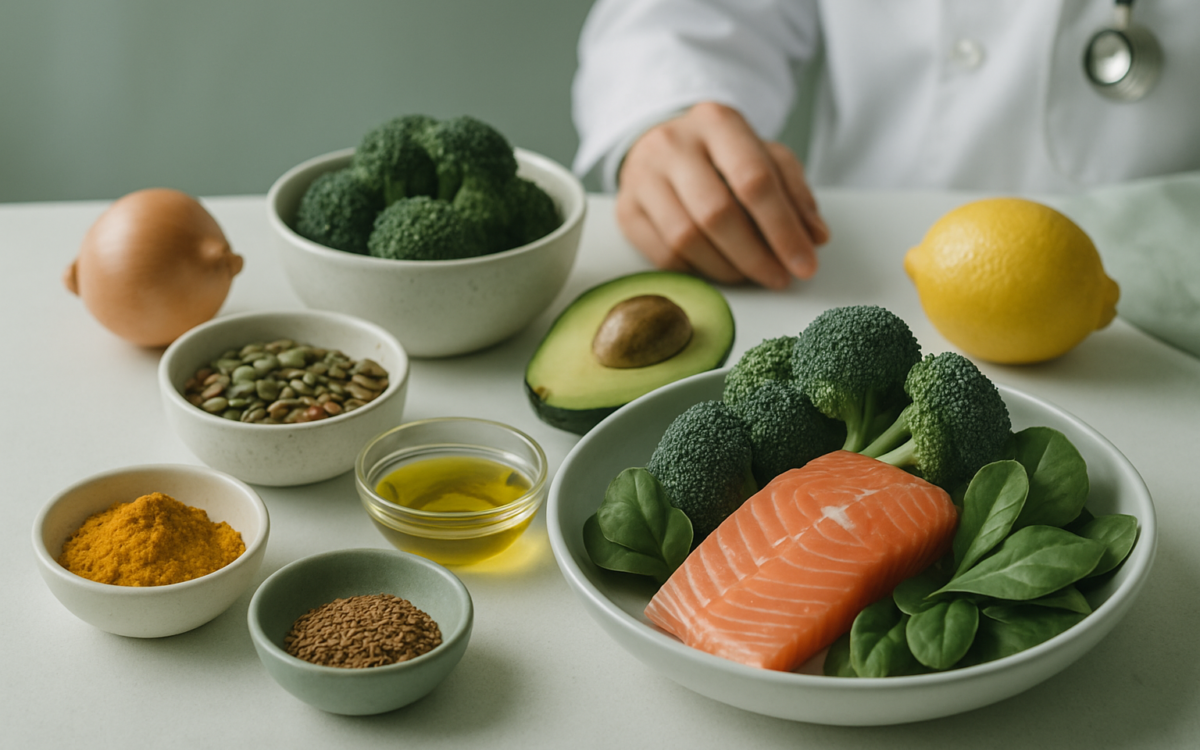
The foods we choose to eat can significantly impact our health. In a world where chronic illnesses like heart disease, diabetes, and arthritis are prevalent, adopting an anti-inflammation diet may help reduce the risks associated with these conditions. This approach to eating emphasizes foods that fight inflammation, offering not just physical benefits but a holistic improvement in well-being.
What is an anti-inflammation diet?
An anti-inflammation diet consists of foods that help lower inflammation in the body. Inflammation is a natural response by the immune system to injury or infection; however, chronic inflammation can lead to long-term health issues. The anti-inflammation diet promotes the intake of whole, nutrient-dense foods and minimizes processed foods and those high in sugar, trans fats, and refined carbohydrates.
Key Components of the Anti-Inflammation Diet
When following an anti-inflammation diet, the focus should be on including the following essential food groups:
- Fruits and Vegetables: Aim for a variety of colors and types, as they contain antioxidants and phytochemicals that combat inflammation. Berries, leafy greens, and cruciferous vegetables like broccoli are particularly beneficial.
- Healthy Fats: Incorporate sources of omega-3 fatty acids, such as fatty fish (salmon, sardines), nuts (walnuts), and seeds (chia, flaxseeds). These fats are known for their anti-inflammatory properties.
- Whole Grains: Choose whole grains such as brown rice, quinoa, and whole oats over refined grains. Whole grains are high in fiber, which helps support a healthy gut.
- Legumes and Beans: Foods like lentils and chickpeas are packed with protein, fiber, and nutrients while being low in fat.
- Spices and Herbs: Turmeric and ginger are powerful spices with anti-inflammatory benefits. Incorporating these in cooking can add both flavor and health advantages.
Foods to Avoid
While focusing on healthy foods is essential, recognizing what to limit is equally crucial in an anti-inflammation diet. Consider reducing or eliminating:
- Processed Foods: Often high in sugar, unhealthy fats, and additives, these foods can promote inflammation.
- Refined Carbohydrates: White bread, pastries, and certain cereals can spike blood sugar and contribute to inflammation.
- Fried Foods: These foods are often cooked in unhealthy oils that can lead to increased inflammation.
- Sugary Beverages: Soda, energy drinks, and excessive fruit juices can lead to increased inflammatory markers in the body.
How an Anti-Inflammation Diet Benefits Your Health
The anti-inflammation diet isn’t just about what you eat, but also about promoting overall wellness. Regularly consuming anti-inflammatory foods has been linked to:
- Reduced Risk of Chronic Diseases: By lowering inflammation, this diet helps decrease the chances of developing heart disease, diabetes, and certain types of cancer.
- Improved Digestion: A diet rich in whole foods and fiber supports gut health and can alleviate digestive issues.
- Enhanced Mental Health: Emerging research suggests a link between diet and mental well-being. Foods rich in antioxidants, for example, can foster better mood and cognitive function.
If you are considering an international perspective on health, you might explore options like treatment in Turkey, where a growing focus on holistic medicine integrates nutrition into recovery.
Practical Tips for Adopting an Anti-Inflammation Diet
Transitioning to an anti-inflammation diet doesn’t have to be overwhelming. Here are some practical tips to start:
- Plan Your Meals: Having healthy meals prepped can encourage better food choices and minimize impulsive eating.
- Read Labels: Being aware of food labels can help you avoid added sugars and unhealthy fats.
- Cook at Home: Preparing your meals allows you to control ingredients and focus on whole foods.
- Try New Recipes: Exploring new recipes can keep your meals exciting and encourage you to try a variety of anti-inflammatory foods.
When to See a Doctor
If you have chronic health issues or significant dietary concerns, it’s crucial to discuss these with a healthcare professional. Your doctor can guide you in creating a personalized plan that aligns with your health goals and needs.
Conclusion
Adopting an anti-inflammation diet can lead to significant health benefits while supporting overall wellness. By focusing on nutrient-rich foods and making mindful choices, you can manage inflammation in your body and foster a healthier lifestyle. Remember, always consult your doctor when making major dietary changes or if you have health concerns.
