
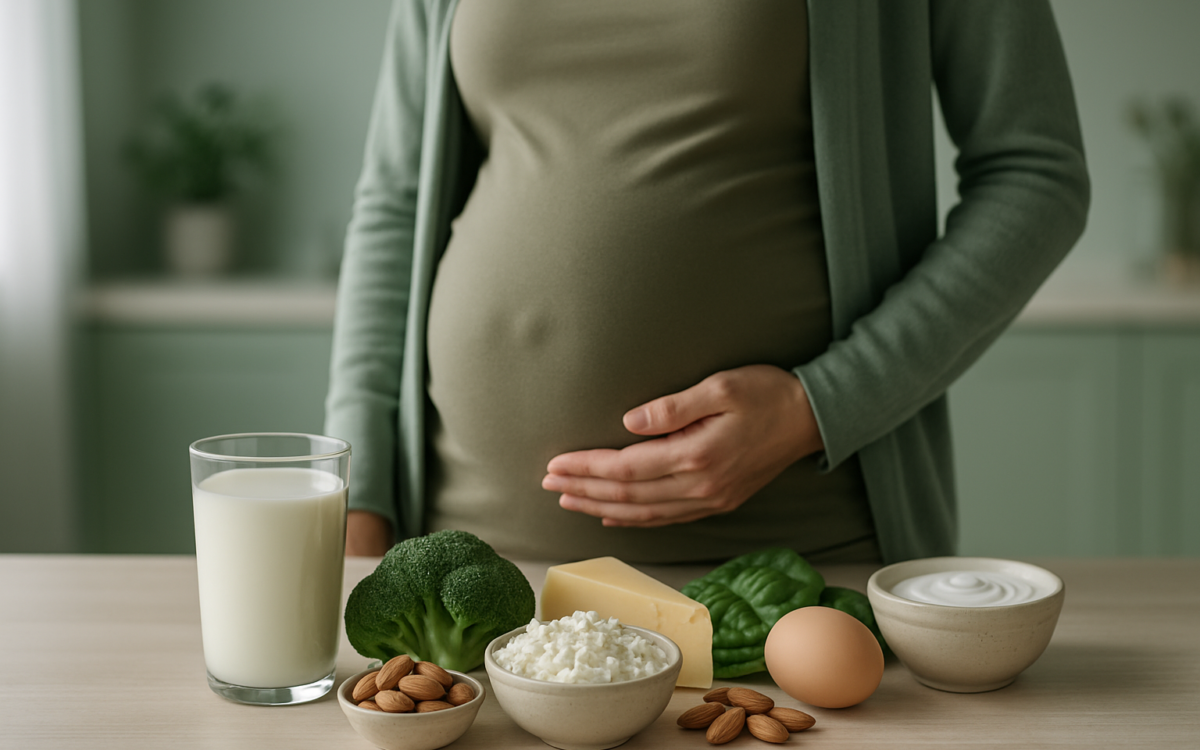
Pregnancy is a magical time filled with anticipation and change. As a growing baby relies on their mother for nourishment, it’s crucial to focus on a balanced diet that supports both health and development. One of the essential nutrients expectant mothers need is calcium. This vital mineral plays a crucial role in building the bones and teeth of the baby while also supporting the mother’s health. Let’s explore the best calcium-rich foods that should be part of a pregnant woman’s diet.
The Importance of Calcium During Pregnancy
Calcium is fundamental for fetal development, particularly in the formation of the baby’s bones and teeth. During pregnancy, a woman’s calcium requirements increase. According to the National Institutes of Health, pregnant women need about 1,000 mg of calcium daily, while adolescents may require 1,300 mg.
Without sufficient calcium, the body will draw from the mother’s stores, potentially affecting her bone density and overall health. Additionally, adequate calcium intake has been linked to lower risks of pregnancy-related conditions, such as preeclampsia and hypertension.
Dairy Products: A Primary Source
Dairy products are among the richest sources of calcium available. Here are some options to consider:
- Milk: Both whole and low-fat milk provide approximately 300 mg of calcium per cup.
- Cheese: Varieties like mozzarella, cheddar, and Swiss contain high levels of calcium, with a standard serving offering around 200-300 mg.
- Yogurt: A great choice for breakfast or snacks, yogurt delivers a hefty dose of calcium, averaging about 400 mg per cup.
If you’re lactose intolerant or prefer not to consume dairy, there are excellent alternatives available.
Non-Dairy Calcium Sources
Many non-dairy foods are rich in calcium and can effectively complement your diet. Consider the following:
- Leafy Greens: Greens like kale, broccoli, and collard greens are packed with calcium. A cup of collard greens can provide up to 300 mg of calcium.
- Fortified Foods: Many plant-based milk alternatives (such as almond or soy milk) are fortified with calcium. Always check the labels to find options that contain at least 300 mg per serving.
- Fish: Canned sardines and salmon, especially with their bones, can deliver substantial amounts of calcium—around 370 mg in a 3.5-ounce serving.
- Nuts and Seeds: Almonds and sesame seeds (including tahini) are also rich in calcium. A quarter-cup of almonds offers roughly 100 mg of calcium.
Calcium Supplements: Are They Necessary?
While it’s best to obtain nutrients like calcium through food, some women may find it challenging to meet their calcium needs through diet alone. In such cases, calcium supplements can be helpful.
Before starting any supplements, it’s essential to consult with a healthcare provider. They can recommend appropriate dosages and specific products that fit your health profile. Additionally, your doctor may suggest taking calcium with vitamin D, which helps enhance calcium absorption in the body.
International Perspectives on Calcium Intake
Different cultures have unique dietary practices that can influence calcium intake during pregnancy. For example, in some Mediterranean countries, traditional diets rich in fish, nuts, and leafy green vegetables support overall calcium intake.
For those considering international treatments or dietary approaches, resources like acibademinternational.com can provide insights into regional dietary habits and health practices that emphasize calcium-rich foods.
Putting It All Together
When planning meals, aim for a combination of calcium-rich foods from various sources. Here’s a quick guide on how to incorporate these foods into your daily routine:
- Start your day with a bowl of yogurt topped with almonds and fruit.
- Add spinach or kale to smoothies, salads, or omelets.
- Snack on cheese or fortified plant-based yogurts.
- Include a serving of fish or a calcium-fortified drink in your lunch or dinner.
When to See a Doctor
If you’re concerned about your calcium intake or experience symptoms such as muscle cramps or brittle bones, don’t hesitate to consult your healthcare provider. Regular check-ups can help ensure that you and your baby are getting the necessary nutrients for a healthy pregnancy.
Remember, every pregnancy is unique, and your healthcare team can help guide your dietary choices and supplement needs effectively.
Conclusion
Incorporating calcium-rich foods into your diet during pregnancy is vital for both you and your developing baby. Whether through dairy or plant-based options, understanding your calcium needs and how to meet them is essential. Prioritize your health and your baby’s growth by making informed dietary choices!
