
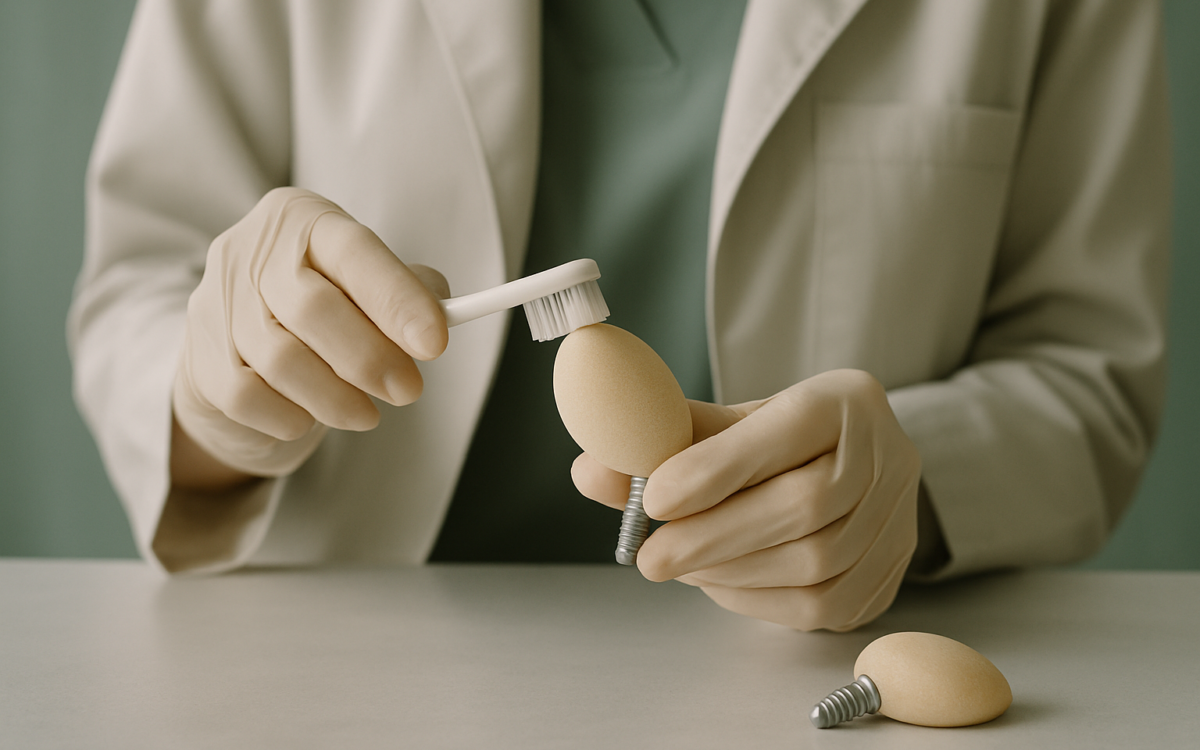
Dental implants can be a life-changing solution if you’re missing teeth. Not only do they restore functionality, allowing you to eat and speak more naturally, but they also enhance your smile. However, like any other dental restoration, implants require proper care to ensure they last a long time. This article breaks down practical strategies for maintaining your dental implants effectively.
Understanding Dental Implants
Dental implants are fixtures inserted into the jawbone that serve as roots for replacement teeth. Made of biocompatible materials, they fuse with your bone through a process called osseointegration. This integration is vital for the stability and longevity of the implants. After the healing process, crowns or prosthetic teeth are placed on these implants. Understanding this process helps underscore the importance of proper care.
Daily Oral Hygiene Practices
Just like with natural teeth, maintaining good oral hygiene is crucial for the health of your dental implants. Here are some practices to incorporate into your daily routine:
- Brush Regularly: Brush at least twice a day, using a soft-bristled toothbrush and non-abrasive toothpaste. This helps to remove plaque and food particles.
- Floss Daily: Flossing is essential to remove debris from around the implant and neighboring teeth. Consider using dental tape or special floss designed for implants.
- Rinse with Antimicrobial Mouthwash: An antimicrobial mouthwash can reduce bacteria that lead to gum disease and other complications.
Routine Dental Check-ups
Even if your implants feel fine, don’t skip your routine dental visits. Regular check-ups help monitor the status of your implants and allow your dentist to catch any potential issues early. Here’s what to expect during a visit:
- X-rays: These may be taken to ensure the bone surrounding the implants is healthy.
- Professional Cleaning: A hygienist will remove tartar buildup and check for signs of gum disease.
- Assessment: Your dentist will examine your implants for stability and ensure they are functioning correctly.
Avoiding Harmful Habits
Certain habits can pose risks to your dental implants. Limiting or avoiding these behaviors can improve the longevity of your implants:
- Quit Smoking: Smoking can hinder healing and contribute to implant failure. If you smoke, consider seeking help to quit.
- Avoid Chewing Hard Objects: Refrain from chewing on ice, popcorn kernels, or hard candy that could damage your implants.
- Limit Staining Foods: Some foods and beverages like coffee, tea, and red wine can stain implants. While they don’t decay like natural teeth, it’s still good to limit these products and maintain a bright smile.
Managing Unusual Symptoms
Even with the best care, you may experience some unusual symptoms related to your dental implants. Here’s what to watch for:
- Pain or Discomfort: Mild discomfort is expected after implant surgery, but persistent or worsening pain should be addressed with your dentist.
- Swelling or Inflammation: Swelling around the implant site could indicate an infection. If it persists longer than a few days, contact your dental professional.
- Dental Implant Mobility: Implants should feel solid in your jaw. If you notice any movement, seek immediate medical advice.
Diet and Nutrition for Implant Care
Maintaining a healthy diet can support oral health, which is essential for keeping your implants in good shape:
- Choose Nutrient-Dense Foods: Incorporate fresh fruits, vegetables, lean proteins, whole grains, and healthy fats into your diet.
- Stay Hydrated: Drinking water throughout the day helps wash away food particles and bacteria.
- Avoid Sugary Snacks: High sugar consumption can lead to plaque build-up and inflammation, which can affect gum health and, consequently, your implants.
When to See a Doctor
While dental implants are designed to be durable, certain signs may indicate a need to consult with your dentist. Seek medical advice if you experience:
- Persistent pain or swelling
- Changes in gum color or persistent bad breath
- Any sign of infection such as fever or unusual discharge
Conclusion
Proper care for dental implants is crucial for their longevity and your overall dental health. By adhering to a routine of good oral hygiene, attending regular dental check-ups, and monitoring any unusual symptoms, you can enjoy the benefits of your implants for many years. Remember that if you have any concerns about your dental implants, it’s best to consult with your dentist or oral surgeon for tailored advice and guidance.
