
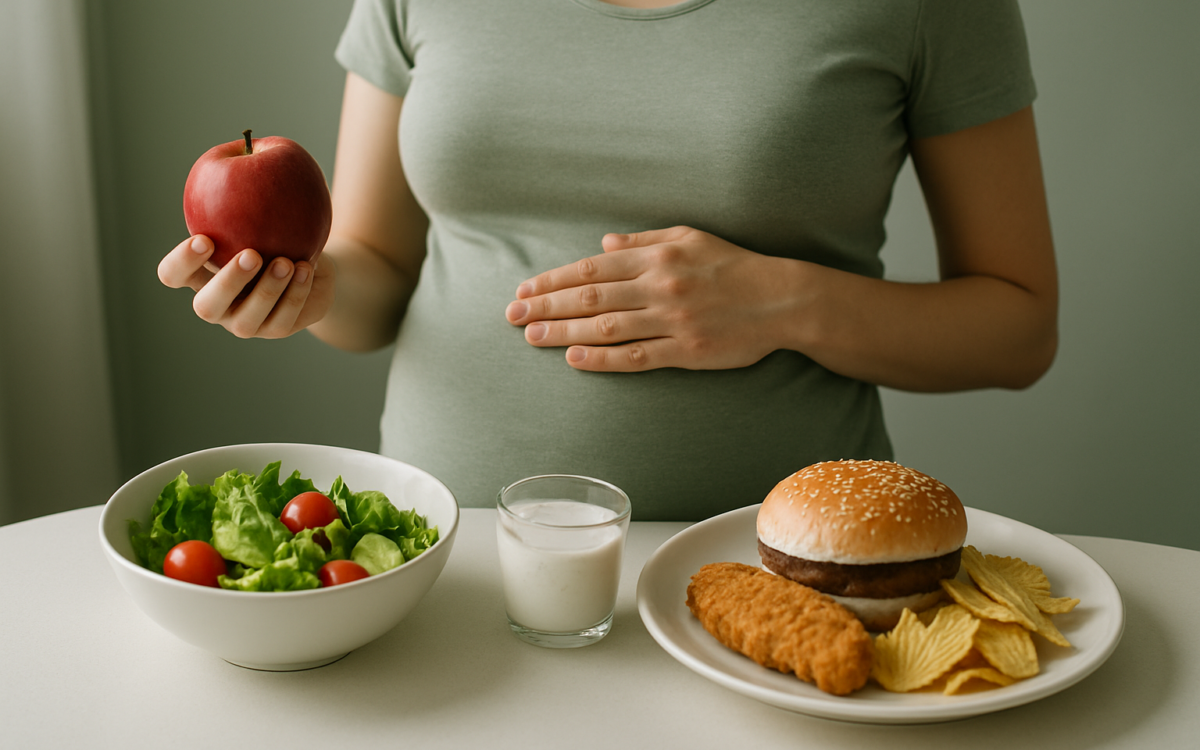
Pregnancy is a beautiful journey filled with excitement and anticipation, but it also comes with unique challenges, especially when it comes to nutrition. What you eat during this time can impact both your health and the health of your growing baby. Understanding what foods are beneficial, and which ones to avoid, can help you make the best choices for you and your little one.
Foods Pregnant Women Should Embrace
A well-balanced diet is crucial for pregnant women. Here are some key food categories to include in your meals:
Fruits and Vegetables
Fruits and vegetables are packed with essential vitamins and minerals. Aim for a variety of colors to ensure you’re getting different nutrients:
- Leafy greens: Spinach and kale are high in folate, which is vital for fetal development.
- Berries: Strawberries and blueberries are loaded with antioxidants.
- Citrus fruits: Oranges and lemons offer vitamin C, which can boost your immune system.
Whole Grains
Whole grains provide energy and are a great source of fiber:
- Brown rice: An excellent alternative to white rice, offering more nutrients.
- Oats: Rich in fiber, they help with digestion and provide lasting energy.
- Whole wheat bread: A good source of B vitamins, which are crucial during pregnancy.
Lean Proteins
Protein is essential for the growth of your baby’s tissues and organs:
- Chicken and turkey: These are low-fat protein sources that can be easily incorporated into meals.
- Fish: Options like salmon are rich in omega-3 fatty acids, which are important for brain development. However, make sure to choose low-mercury fish.
- Legumes: Beans and lentils are great vegetarian protein sources, packed with nutrients.
Important Nutrients to Include
Specific nutrients play pivotal roles during pregnancy. Here are some to focus on:
Folate
Folate is important for DNA synthesis and cell growth. It can help prevent neural tube defects. Green leafy vegetables, citrus fruits, beans, and fortified cereals are good sources of folate. Pregnant women are often advised to take a folic acid supplement as well. For further information, visit the CDC’s page on folic acid.
Iron
Iron is essential for making hemoglobin, which carries oxygen in your blood. The need for iron increases during pregnancy:
- Red meat: A rich source of heme iron, which is easily absorbed by the body.
- Legumes and fortified cereals: These can boost your iron intake, especially for vegetarians.
Foods to Avoid During Pregnancy
While there are many foods to enjoy, there are also those that should be avoided to protect you and your baby:
Unpasteurized Dairy and Juices
Unpasteurized products can contain harmful bacteria like Listeria, which can cause serious health issues:
- Only consume pasteurized dairy products.
- Fresh juices should also be pasteurized to ensure safety.
Raw or Undercooked Seafood, Eggs, and Meat
These foods can harbor harmful bacteria and viruses:
- Cooking seafood, eggs, and meat thoroughly kills harmful pathogens.
- Be cautious with sushi; opt for fully cooked options.
High-Mercury Fish
Certain fish contain high levels of mercury, which can harm fetal development. Avoid:
- Shark: Contains high mercury levels.
- Swordfish: Another fish to avoid due to mercury content.
- Tilefish: Known for being high in mercury.
Caffeine and Alcohol
Both caffeine and alcohol can affect your baby’s development:
- Limit caffeine intake to less than 200 mg per day (about one 12 oz. cup of coffee).
- It’s safest to avoid alcohol entirely during pregnancy.
Helpful Tips for Healthy Eating
Eating healthy while pregnant can sometimes feel overwhelming. Here are some practical tips:
- Meal Prep: Planning meals in advance can help ensure you have healthy options readily available.
- Stay Hydrated: Drink plenty of water throughout the day to stay hydrated.
- Smaller Meals: Eating smaller, more frequent meals can help manage nausea and keep your energy levels stable.
When to See a Doctor
If you have concerns about your diet during pregnancy, or if you experience unusual symptoms related to food or nutrition, consult your healthcare provider. They can help tailor dietary recommendations to your specific needs.
For more guidelines on pregnancy nutrition, check resources like the WHO and Mayo Clinic.
Eating well during pregnancy is not just about making healthy choices; it’s about nurturing yourself and your baby. By understanding what to include in your diet and what to avoid, you can enjoy this special time with confidence and health.
