
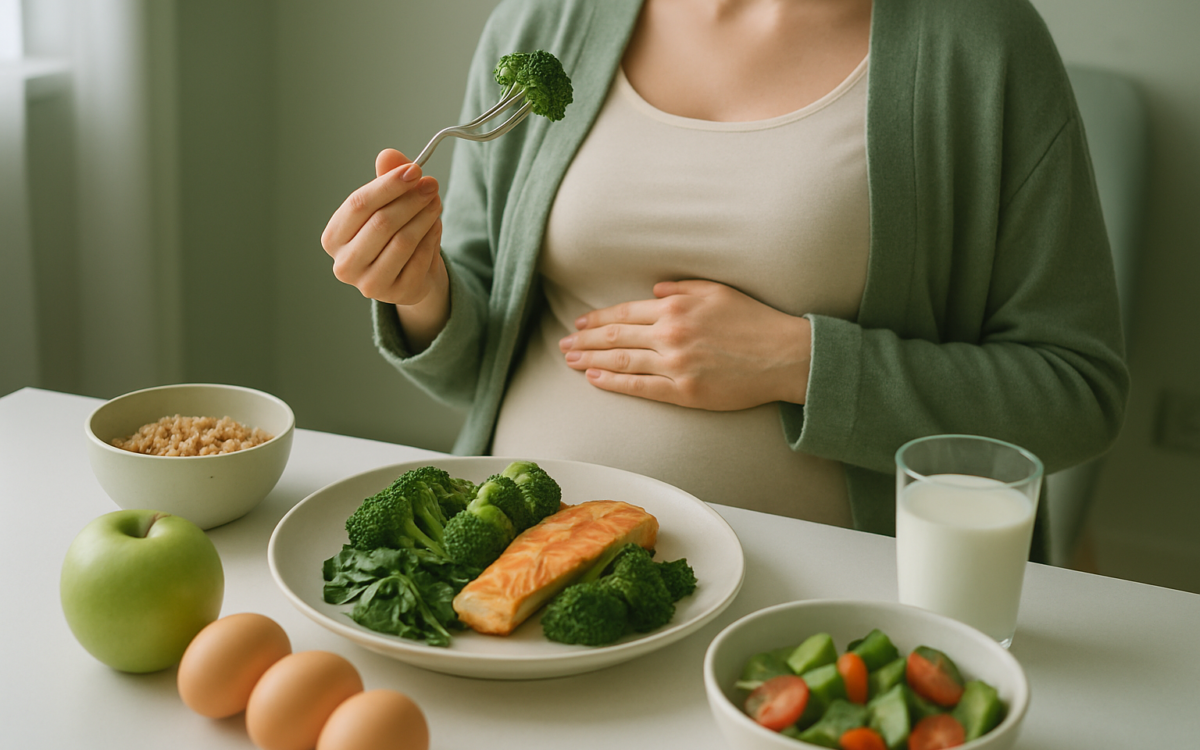
Navigating nutrition during pregnancy can feel overwhelming, but it doesn’t have to be. Pregnant women experience several changes in their bodies, and these changes often come with specific nutritional needs. Getting the right nutrients is essential not only for the health of the mother but also for the developing baby. This guide will provide insights on the types of foods that can help support a healthy pregnancy.
Why Nutrition Matters in Pregnancy
Nutrition plays a pivotal role in pregnancy, impacting everything from fetal growth to maternal health. Adequate nutrition helps to ensure that the developing baby receives essential vitamins and minerals. This is particularly important in the first trimester when the baby’s major organs and systems are forming. The right balance of nutrients can also help to manage common pregnancy symptoms like nausea and fatigue.
Key Nutrients for Pregnant Women
During pregnancy, certain nutrients become particularly important. Here are some of the top nutrients that pregnant women should focus on:
- Folic Acid: This B-vitamin is crucial for preventing neural tube defects. Sources include leafy greens, beans, and fortified cereals.
- Iron: Iron supports increased blood volume and helps prevent anemia. Good sources are lean meats, spinach, and legumes.
- Calcium: Essential for the baby’s bone development. Dairy products, fortified plant milks, and leafy greens are good sources.
- Omega-3 Fatty Acids: Important for brain development. Found in fatty fish like salmon, walnuts, and flaxseeds.
- Protein: Vital for the growth of fetal tissue, including the brain and other organs. Sources include lean meat, poultry, fish, eggs, beans, and lentils.
Foods to Include in a Pregnancy Diet
A balanced diet should aim to include a variety of foods that are rich in the essential nutrients mentioned above. Here are some food groups and suggestions to consider:
Fruits and Vegetables
Fruits and vegetables should be a staple in the diet. They are packed with vitamins, minerals, and fiber. Aim for a colorful variety to ensure a wider range of nutrients. Some excellent choices include:
- Berries
- Oranges
- Bananas
- Broccoli
- Sweet potatoes
Whole Grains
Whole grains are a great source of energy, fiber, and B vitamins. Incorporate foods like:
- Brown rice
- Quinoa
- Whole grain bread
- Oats
Dairy Products
Dairy products provide calcium and protein, which are essential during pregnancy. Choose options like:
- Yogurt
- Milk
- Cheese
Protein-Rich Foods
Include a variety of protein-rich foods, such as:
- Lean meats like chicken and turkey
- Fish, especially those high in omega-3s
- Eggs
- Legumes like beans and lentils
- Nuts and seeds
Foods to Limit or Avoid
While focusing on what to eat is important, being mindful of what to limit or avoid is equally crucial for the health of both mother and baby. Here are some recommendations:
- High-Mercury Fish: Certain fish like shark and swordfish can contain high levels of mercury, which can be harmful to a developing fetus. Opt for low-mercury options.
- Unpasteurized Products: Avoid unpasteurized cheeses and milk to reduce the risk of foodborne illness.
- Processed Foods: Limit foods high in added sugars, salt, and unhealthy fats, which can contribute to excessive weight gain and other health issues.
Importance of Hydration
Staying hydrated is a key component of a healthy pregnancy diet. Water helps in the formation of amniotic fluid, nutrient transport, and waste elimination. Pregnant women are encouraged to drink plenty of water, aiming for at least 8 to 10 cups daily. Other hydrating options include:
- Herbal teas (avoid those with caffeine)
- Fruit-infused water
- Broths and soups
Consultation with a Healthcare Provider
Nutrition needs can vary from person to person, especially during pregnancy. It’s essential for pregnant women to consult with healthcare providers or registered dietitians to tailor their diet according to their specific needs. Regular check-ups can help monitor nutrient levels and overall health throughout the pregnancy. For more information on nutrition during pregnancy, resources from NIH, WHO, and Mayo Clinic can provide valuable insights.
When to See a Doctor
While it’s important to prioritize nutrition during pregnancy, it’s also crucial to recognize when to seek medical attention. If you experience significant nausea, vomiting, or any drastic changes in weight or health, consult your healthcare provider. Additionally, conditions such as gestational diabetes, severe anemia, or any other complications during pregnancy should be addressed promptly.
In conclusion, a balanced and nutritious diet is fundamental for the health of both mother and baby during pregnancy. By focusing on whole foods rich in essential nutrients, pregnant women can support a healthy pregnancy journey.
