
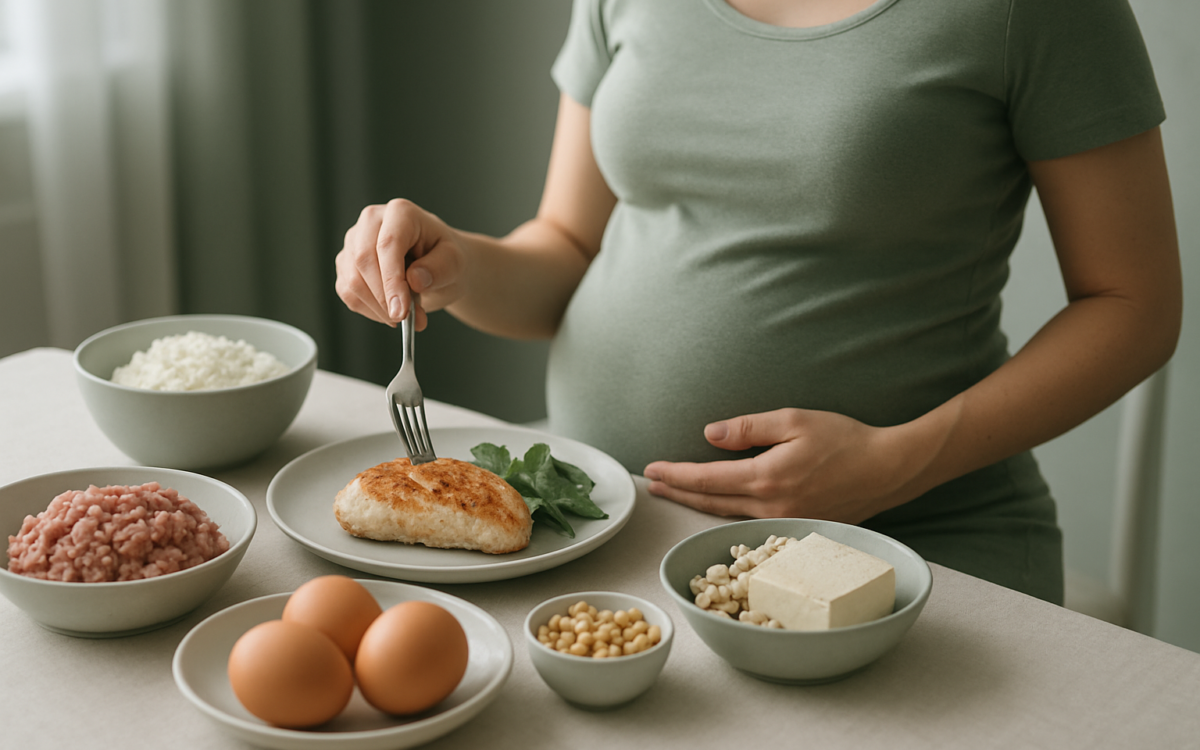
When you’re pregnant, every bite matters. Your body is working hard to support not only you but also the new life growing inside you. Among the many nutrients you need, protein stands out as crucial for both your health and your baby’s development. This article explores a variety of protein-rich foods that are perfect for pregnant women, helping to ensure a well-rounded and nutritious diet during this exciting time.
Why Is Protein Important During Pregnancy?
Protein plays a central role in nearly every cell process in your body. For pregnant women, it supports the development of your baby’s organs, muscles, skin, and immune system. Adequate protein intake is essential for fetal growth, particularly during the second and third trimesters, when your baby experiences significant growth spurts. According to the National Institutes of Health (NIH), pregnant women should aim for about 71 grams of protein per day.
Top Protein-Rich Foods to Include
Incorporating a variety of protein sources into your diet can help meet your nutritional needs. Here are some excellent options:
- Lean Meat: Chicken, turkey, and lean cuts of beef are all rich in protein and iron, supporting your increased blood volume.
- Fish: Fatty fish like salmon and sardines are high in protein and omega-3 fatty acids, crucial for brain development. Be mindful of mercury levels; choose low-mercury options.
- Dairy Products: Yogurt, cheese, and milk offer protein along with calcium, which is vital for your baby’s bone development. Greek yogurt, in particular, is a protein powerhouse.
- Eggs: Eggs are a versatile protein source, packed with essential amino acids needed for fetal growth.
- Legumes: Lentils, chickpeas, and beans provide not only protein but also fiber, iron, and other nutrients helpful during pregnancy.
- Nuts and Seeds: Almonds, walnuts, and chia seeds are nutrient-dense snacks that can easily be added to your diet.
Vegetarian and Vegan Protein Sources
For moms who follow vegetarian or vegan diets, there are still numerous options to ensure enough protein intake:
- Tofu and Tempeh: These soy-based products are excellent protein sources that can be used in various dishes.
- Quinoa: This whole grain is a complete protein, meaning it contains all nine essential amino acids.
- Seitan: Made from wheat gluten, seitan is a savory meat alternative packed with protein.
- Edamame: Young soybeans are not only rich in protein but also provide healthy fats.
- Plant-Based Protein Powders: If needed, supplements can help boost your protein intake, but it’s wise to consult a healthcare provider before adding them to your diet.
Planning Balanced Meals
To meet your protein needs, strive for balance and variety in your meals. A simple way to do this is to combine protein sources. For instance, pair beans with whole grains like brown rice, or add nuts to your yogurt. This not only ensures you’re consuming enough protein but also gives your body a wider array of nutrients.
If you’re considering how to navigate protein sources and meal plans, particularly in an international context, consider reaching out to international patient services for tailored guidance on dietary options that fit your needs and preferences, regardless of where you are.
Hydration and Protein Intake
While focusing on protein is important, don’t forget about hydration! During pregnancy, your body requires more fluids, which aids digestion and nutrient absorption. Drinking water and incorporating hydrating foods into your diet can help balance your protein intake and overall wellness.
Potential Challenges with Protein Consumption
Despite its importance, some pregnant women may face challenges incorporating enough protein into their diets. These might include:
- Nausea and Food Aversions: Early pregnancy symptoms may make certain protein sources unappealing. Experiment with different foods to find what works best for you.
- Dietary Restrictions: If you have restrictions due to allergies or dietary choices, like vegetarianism or veganism, focus on your preferences while maintaining nutritional variety.
When to See a Doctor
If you notice signs of malnutrition—such as significant weight loss, extreme fatigue, or persistent nausea—it’s essential to consult your healthcare provider. Additionally, if you have any dietary restrictions or health conditions, discussing your protein needs and general dietary guidelines with a doctor or registered dietitian is wise.
Conclusion
In conclusion, protein is a vital nutrient during pregnancy that supports both your health and your baby’s development. By incorporating a variety of protein-rich foods into your diet, you can help ensure a healthy pregnancy. As always, it’s best to consult your healthcare provider to develop a nutrition plan tailored to your specific needs.
