
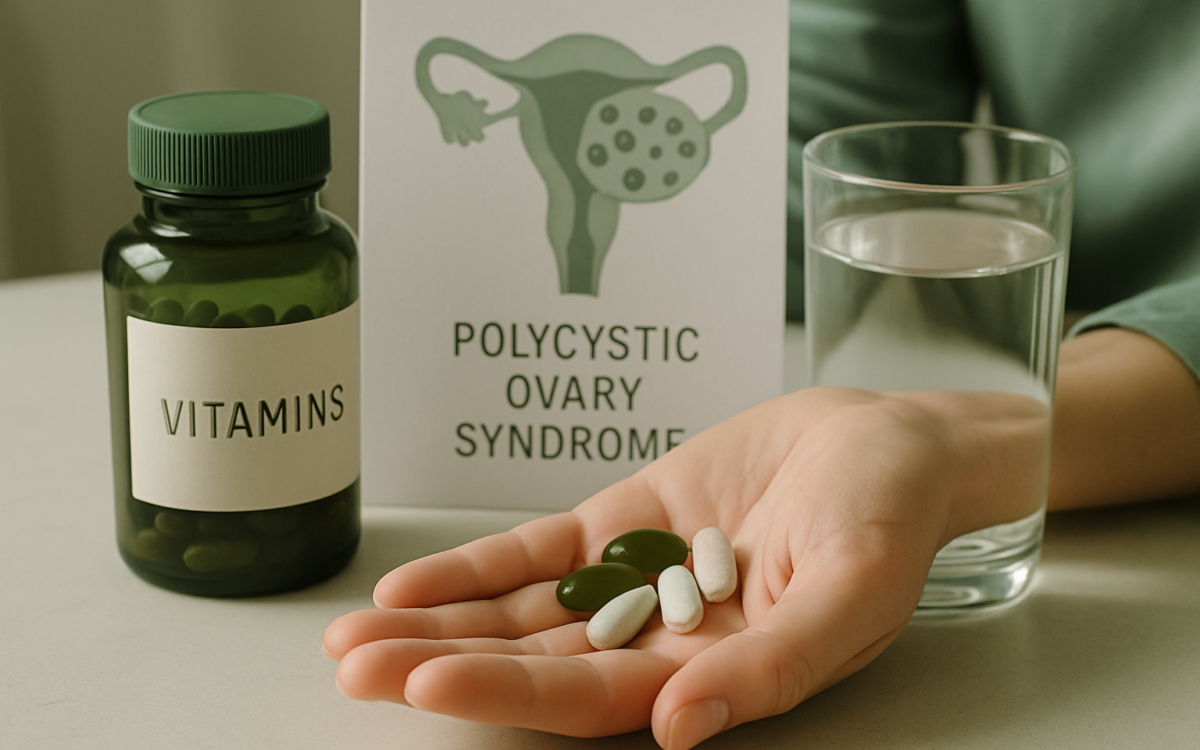
Polycystic Ovary Syndrome (PCOS) affects millions of women worldwide, leading to a range of symptoms including irregular menstrual cycles, weight gain, and fertility challenges. While there is no one-size-fits-all treatment, certain vitamins can play a crucial role in managing PCOS symptoms. Understanding how these vitamins support overall health might empower those affected to make informed dietary choices.
Vitamin D: The Sunshine Vitamin
Vitamin D is a fat-soluble vitamin that is important for regulating hormones and maintaining bone health. Many studies suggest that women with PCOS often have lower levels of vitamin D compared to those without the condition. This deficiency can contribute to insulin resistance, which is a common issue in PCOS.
Supplementing with vitamin D might help improve insulin sensitivity and menstrual regularity. An adequate level of vitamin D may also reduce inflammation in the body, which can be beneficial for overall health.
B Vitamins: Energizing and Supporting Hormones
The B vitamins, particularly B6, B12, and folate, are essential for energy production and play significant roles in hormone regulation. These vitamins can assist in balancing hormone levels, which is crucial for managing PCOS symptoms.
Folate, in particular, is vital for women of reproductive age. It can help regulate ovulation and improve fertility. B vitamins can be obtained through a balanced diet rich in whole grains, leafy greens, eggs, and legumes.
Inositol: A Sister of Vitamin B
Inositol is technically a type of B vitamin, although it is known more for its role as a supplement. It has garnered attention for its ability to improve insulin sensitivity and support ovulatory function in women with PCOS. In many studies, inositol has shown promise in reducing metabolic disturbances associated with PCOS, including improving ovarian function and metabolic health.
Common forms of inositol used in supplements are myo-inositol and D-chiro-inositol. It’s important to consult with a healthcare provider about dosage and usage when considering this supplement.
Vitamin E: A Natural Antioxidant
Vitamin E is a powerful antioxidant that helps protect the body from oxidative stress. Women with PCOS may experience higher levels of oxidative stress due to metabolic issues linked to the condition. By incorporating vitamin E into your diet, you may help mitigate these effects.
Some studies indicate that vitamin E can improve insulin sensitivity and regulate menstrual cycles. Sources of vitamin E include nuts, seeds, and green leafy vegetables.
Magnesium: A Key for Metabolic Health
While not a vitamin, magnesium is a vital mineral often overlooked. It’s essential for regulating hundreds of biochemical reactions in the body, including blood sugar control and hormone balance. Women with PCOS often have low magnesium levels, which may contribute to insulin resistance.
Increasing magnesium intake through food sources such as whole grains, legumes, nuts, and leafy greens can be beneficial. Some studies also suggest that magnesium supplementation may help in improving insulin sensitivity and reducing symptoms associated with PCOS.
Iron: Beyond Vitamins
Another critical mineral for women with PCOS is iron. Due to irregular menstruation and heavy bleeding, many women may experience low iron levels. Ensuring adequate iron levels can help boost energy and combat fatigue.
Iron is commonly found in two forms—heme and non-heme. Heme iron, found in animal products like red meat, is more easily absorbed by the body compared to non-heme iron found in plant sources like beans and lentils.
When to See a Doctor
If you suspect you have PCOS or are struggling with symptoms such as irregular periods, weight gain, or fertility issues, it’s essential to consult with a healthcare professional. They can help you understand the best approach to managing your symptoms and discuss whether vitamin supplementation is right for you.
Conclusion
While vitamins can portend a healthier lifestyle and support hormone balance for those navigating PCOS, it’s essential to approach supplementation thoughtfully. Incorporating vitamins like D, B, E, and minerals such as magnesium and iron can make a difference in managing symptoms and enhancing overall health. Always consult with a healthcare provider to tailor a plan that works best for your individual needs.
For more information about PCOS, consider checking reputable sources like the National Institutes of Health or the Mayo Clinic.
