
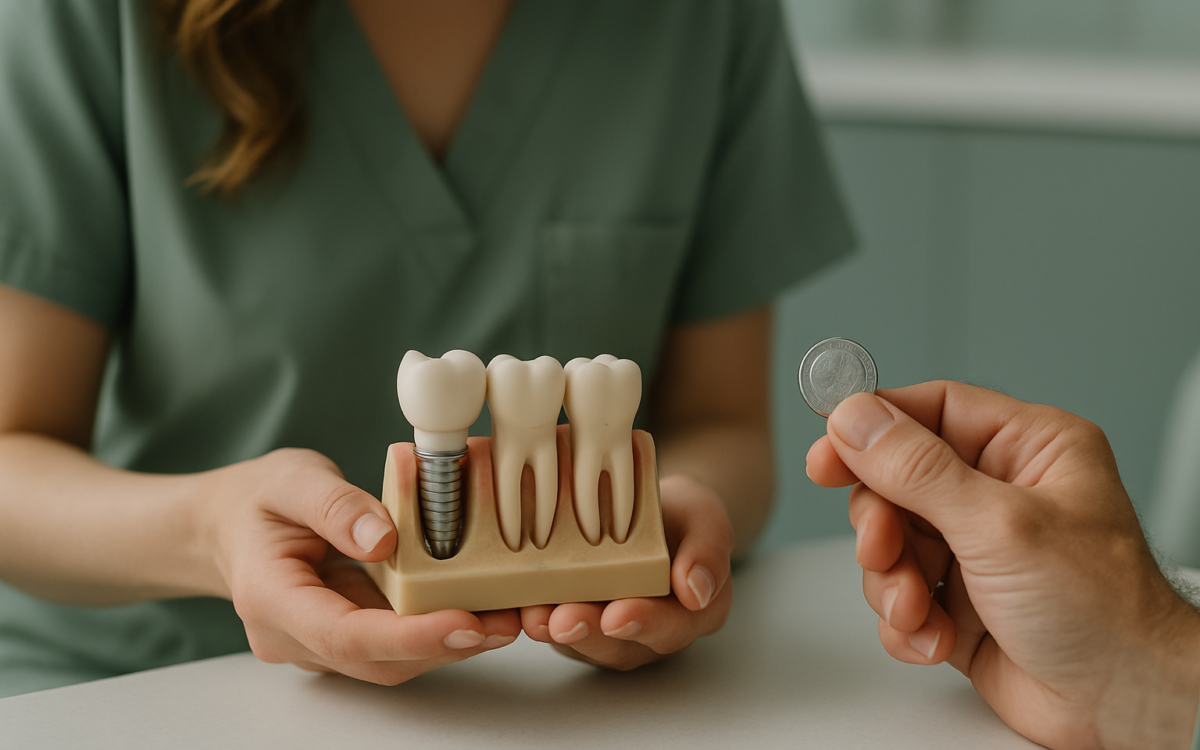
Having a confident smile is essential for many of us. But what happens when you lose a tooth? Fortunately, dental implants offer a reliable solution, allowing you to regain both function and aesthetics. However, cost can be a barrier for some. This article explores how to find affordable teeth implants without compromising on quality.
Understanding Dental Implants
Dental implants are artificial tooth roots, usually made of titanium, that are surgically placed into the jawbone. They serve as a sturdy foundation for replacement teeth, either crowns or bridges. Benefits of dental implants include improved chewing ability, enhanced appearance, and greater comfort compared to traditional dentures. According to the Mayo Clinic, dental implants also help maintain jawbone structure, preventing further tooth loss.
Why Are Dental Implants So Expensive?
The cost of dental implants can vary widely, ranging from $1,500 to $6,000 per implant, depending on several factors:
- Material Quality: Higher-quality titanium implants can cost more but offer enhanced durability.
- Location: Dentists in urban areas might charge higher fees due to the cost of living.
- Specialist Fees: Oral surgeons may be necessary for the placement, adding to overall costs.
- Additional Procedures: If you need extractions or bone grafts, these can significantly increase expenses.
Understanding these factors can help you quantify your expectations when it comes to cost.
Finding Affordable Options
If you’re looking for affordable teeth implants, consider these strategies:
1. Research Local Dental Schools
Dental schools often offer reduced rates on dental procedures, including implants. Students perform surgeries under the guidance of experienced faculty, ensuring a safe process at a fraction of the cost.
2. Look for Payment Plans
Many dental offices offer financing options or payment plans that allow you to distribute costs over time. This can make replacing a lost tooth more manageable financially.
3. Explore Dental Insurance
Check if your health insurance or dental insurance covers dental implants. While many plans offer partial coverage, understanding your benefits can reduce your out-of-pocket expenses. Visit CDC for more information on insurance coverage for dental procedures.
4. Join Discount Dental Plans
These membership programs provide discounts on dental services for a monthly fee. While they don’t replace insurance, they can offer reduced rates that lessen the burden of paying full price.
What to Expect During the Implant Procedure
While the thought of surgery may sound intimidating, knowing what to expect can ease your concerns. Here’s a breakdown of the typical steps involved:
- Consultation: Your dentist will evaluate your oral health and discuss your options.
- Implant Placement: The titanium post is surgically inserted into the jawbone, usually under local anesthesia.
- Healing Time: The implant requires time to fuse with the bone, which may take several months.
- Crown Placement: Once healed, a custom crown is attached to the implant, completing the process.
Ongoing Care and Maintenance
Caring for your dental implants is crucial for their longevity. Here are some essential tips:
- Maintain good oral hygiene by brushing twice a day and flossing daily.
- Regularly visit your dentist for check-ups and cleanings.
- Avoid hard foods to prevent damaging your implants.
With proper care, dental implants can last a lifetime, making their cost more justifiable in the long run.
When to See a Doctor
If you experience persistent pain, swelling, or any unexpected changes following your implant procedure, consult your dentist. These could be signs of an infection or implant failure that require immediate attention. It’s also a good idea to have regular dental check-ups to ensure everything is healing appropriately.
In conclusion, while affordable teeth implants may seem out of reach, a variety of options are available. By utilizing local resources, understanding payment plans, and exploring insurance benefits, you can make a confident, informed decision about restoring your smile. Always consult your dental professional for personalized advice and to determine the best course of action for your oral health.
