
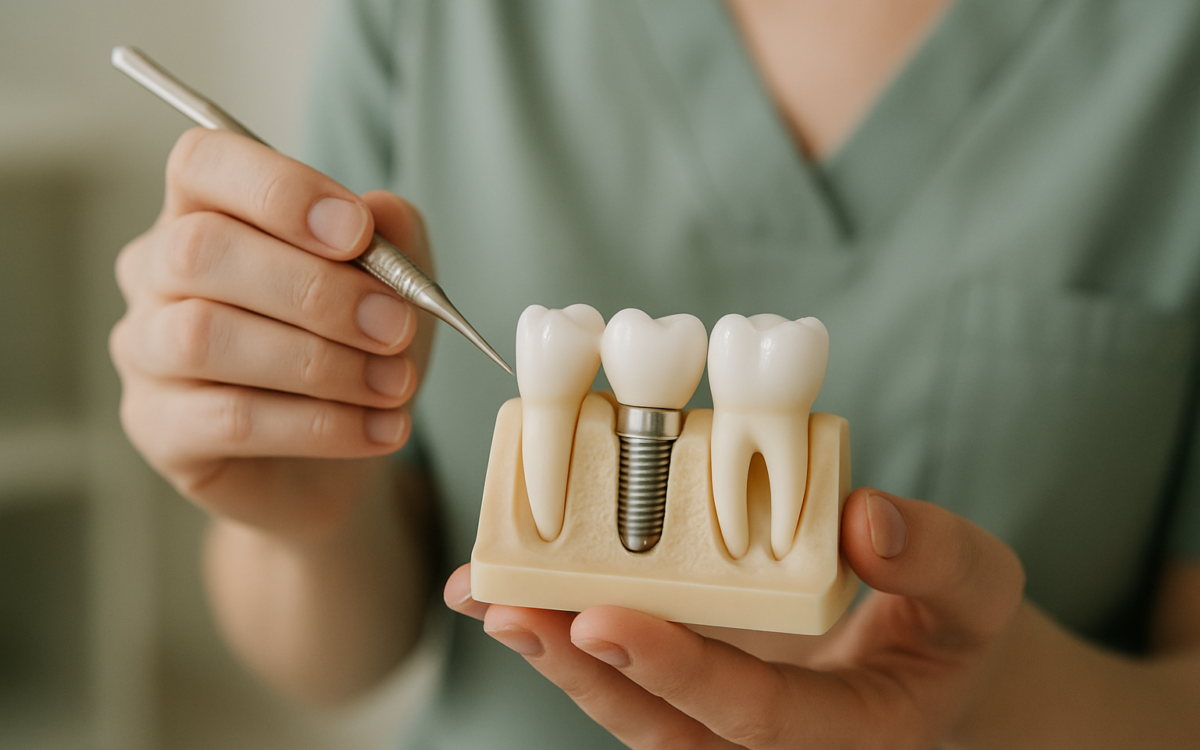
Missing a tooth can affect more than just your smile; it can influence your confidence and overall health. Dental implants have gained popularity as a reliable solution to replace missing teeth. In this article, we will delve into what dental implants are, how they work, the benefits they offer, and important considerations before getting one.
What are Dental Implants?
Dental implants are titanium posts surgically inserted into the jawbone to serve as artificial roots for replacement teeth. They provide a sturdy foundation for fixed (permanent) or removable replacement teeth, designed to blend seamlessly with your natural teeth. According to the National Institutes of Health (NIH), these implants have a high success rate, making them a popular choice for those looking to restore their smiles.
How Do Dental Implants Work?
The process of getting dental implants typically involves several steps:
- Initial Consultation: Your dentist will examine your mouth, take X-rays, and discuss your medical history to determine if you’re a suitable candidate.
- Surgical Procedure: During the first surgery, the dentist places the titanium implant into the jawbone. After this, a healing period of several months is necessary for the bone to grow around the implant—a process known as osseointegration.
- Abutment Placement: Once healed, an abutment (connector) is attached to the implant, which will hold the replacement tooth.
- Crown Placement: Finally, a custom-made crown is attached to the abutment, completing the restoration.
Benefits of Dental Implants
The benefits of dental implants extend beyond aesthetics. Here are some key advantages:
- Improved Appearance: Dental implants look and feel like natural teeth, giving you the confidence to smile again.
- Enhanced Functionality: They function just like normal teeth, allowing you to chew and speak without difficulty.
- Longevity: With proper care, dental implants can last many years, and often a lifetime, unlike other tooth replacement options.
- Bone Preservation: The implants stimulate the jawbone, helping to prevent bone loss that can occur with missing teeth.
- Convenience: Unlike dentures, implants do not require adhesives and can be cared for just like natural teeth.
Who Can Get Dental Implants?
Most adults with good oral health are candidates for dental implants. However, several factors can affect eligibility:
- Bone Density: Adequate bone density is crucial for the success of dental implants. If the jawbone has deteriorated, bone grafting may be necessary.
- Gum Health: Healthy gums are essential for holding the implant in place. Periodontal disease needs to be treated before implantation.
- Overall Health: Chronic conditions such as diabetes or heart disease may impact healing and overall success. Always consult your healthcare provider for a personalized assessment.
Common Concerns and Risks
While dental implants are generally safe, it’s important to be aware of potential risks:
- Infection: As with any surgery, there is a risk of infection at the implant site.
- Implant Failure: This can occur if the bone does not fuse properly with the implant. Factors like smoking, poor oral hygiene, or chronic diseases can increase this risk.
- Damage to Surrounding Teeth: The procedure may affect neighboring teeth, especially if they are not healthy.
Discussing any concerns with your dentist will ensure you are well informed before proceeding.
Post-Procedure Care for Dental Implants
Once you have your dental implants in place, following proper care routines is vital for their longevity:
- Oral Hygiene: Brush and floss regularly to prevent plaque buildup around the implants.
- Regular Check-ups: Routine dental visits are essential for monitoring the health of your implants and surrounding tissues.
- Avoid Harmful Habits: Refrain from smoking and minimize excessive alcohol consumption, as these can impair healing.
Maintaining good oral hygiene not only keeps your implants in excellent condition but also supports your overall dental health.
When to See a Doctor
If you experience any unusual symptoms after getting dental implants, such as pain, swelling, or bleeding, it’s essential to contact your dentist. Additionally, if you notice poor healing or a loose implant, seek medical advice promptly. Staying proactive about these signs can help ensure the success of your dental implants.
In conclusion, dental implants represent a promising solution for those missing teeth. They not only restore functionality and appearance but also significantly enhance quality of life. By understanding the process, benefits, and care involved, you can make an informed decision about whether dental implants are the right choice for you. Always consult with your dental professional to understand what’s best for your unique situation.
