
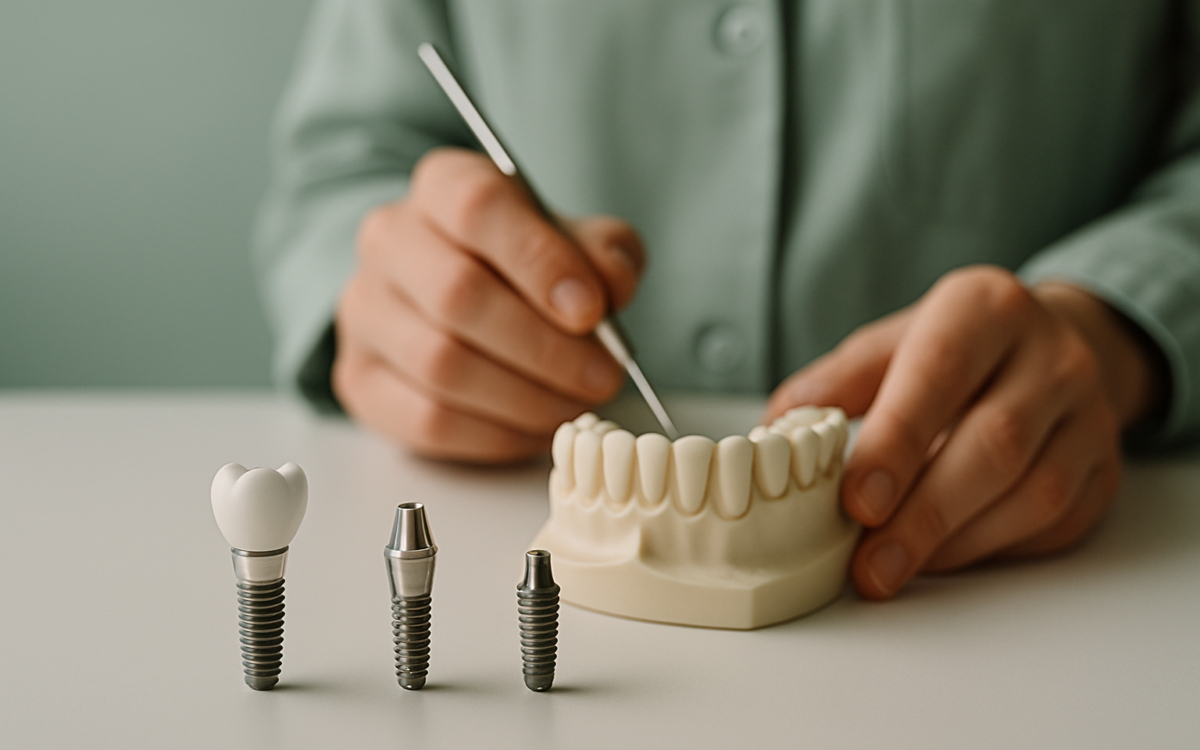
When it comes to replacing missing teeth, dental implants have become a popular solution. They not only offer a permanent fix but also mimic the look and feel of natural teeth. Understanding the different types of dental implants can help patients make informed decisions about their oral health. In this article, we will explore the various options available, their benefits, and how to choose the right one for your needs.
What are Dental Implants?
Dental implants are artificial tooth roots made from biocompatible materials, typically titanium. These roots are surgically placed into the jawbone, providing a strong foundation for replacement teeth. Unlike dentures or bridges, implants are designed to become a permanent part of your mouth, ensuring durability and stability.
Types of Dental Implants
1. Endosteal Implants
Endosteal implants are the most common type of dental implants. They are surgically inserted directly into the jawbone. After the bone heals, a post is attached to the implant, which will eventually support a dental crown. Endosteal implants can accommodate single tooth replacements or support larger structures like bridges. They are highly successful and offer a reliable solution for tooth loss. For more details about this type of implant, visit the Mayo Clinic.
2. Subperiosteal Implants
Subperiosteal implants are another option for those with less jawbone height. Unlike endosteal implants, these are placed under the gum but above the jawbone. A metal frame is positioned on the jawbone, and as the gums heal, the frame will become attached to the bone. The posts protrude through the gums to hold the replacement teeth. While less common, subperiosteal implants are beneficial for individuals who may not be suitable candidates for traditional implants.
3. Zygomatic Implants
Zygomatic implants are a specialized type of dental implant used primarily for patients with severe bone loss in the upper jaw. Instead of being anchored in the jawbone, these implants are inserted into the zygomatic bone, or cheekbone. This approach allows for stabilization of dental prosthetics where traditional implants may not be feasible. Zygomatic implants are an advanced option and should be considered after thorough consultation with a dental specialist.
4. Mini Dental Implants
Mini dental implants are smaller variants of traditional implants. They are typically about half the size of standard implants and require less bone density for placement. Mini implants can be used for a variety of applications, including anchoring dentures and replacing single teeth. Their less invasive procedure and quicker healing time make them an appealing option for patients looking for a less complicated solution.
Benefits of Dental Implants
Dental implants come with numerous benefits, making them a preferred choice for many patients experiencing tooth loss. Some of the key advantages include:
- Natural Appearance: Implants closely resemble the look of natural teeth, boosting confidence.
- Functionality: They allow for normal chewing and speaking without discomfort.
- Bone Preservation: Implants help maintain bone density in the jaw, preventing deterioration that often occurs with tooth loss.
- Longevity: With proper care, dental implants can last a lifetime.
Choosing the Right Implant
Choosing the right type of dental implant depends on various factors, including oral health, bone density, and personal preferences. A thorough consultation with a dental professional is essential to evaluate if you are a candidate for dental implants. Factors that can influence the decision include:
- Condition of jawbone and surrounding tissues
- Overall health and medical history
- Specific aesthetic and functional goals
Consulting with a dental specialist will facilitate an evaluation of your individual needs and help tailor the best solution for you.
When to See a Doctor
If you are experiencing tooth loss or have been advised to consider dental implants, it’s essential to consult a dental professional. Signs that you may need to see a dentist include:
- Loose or missing teeth
- Persistent pain in your teeth or gums
- Difficulty chewing or speaking
Only a qualified healthcare provider can determine the most suitable type of implant and guide you through the process.
Understanding the different types of dental implants can empower you to make informed choices about your oral health. Each type has unique benefits suited for specific needs. If you’re contemplating your options, take the time to consult with a dentist to discuss which type of implant is best for you and embark on your journey to a healthier, more confident smile.
