
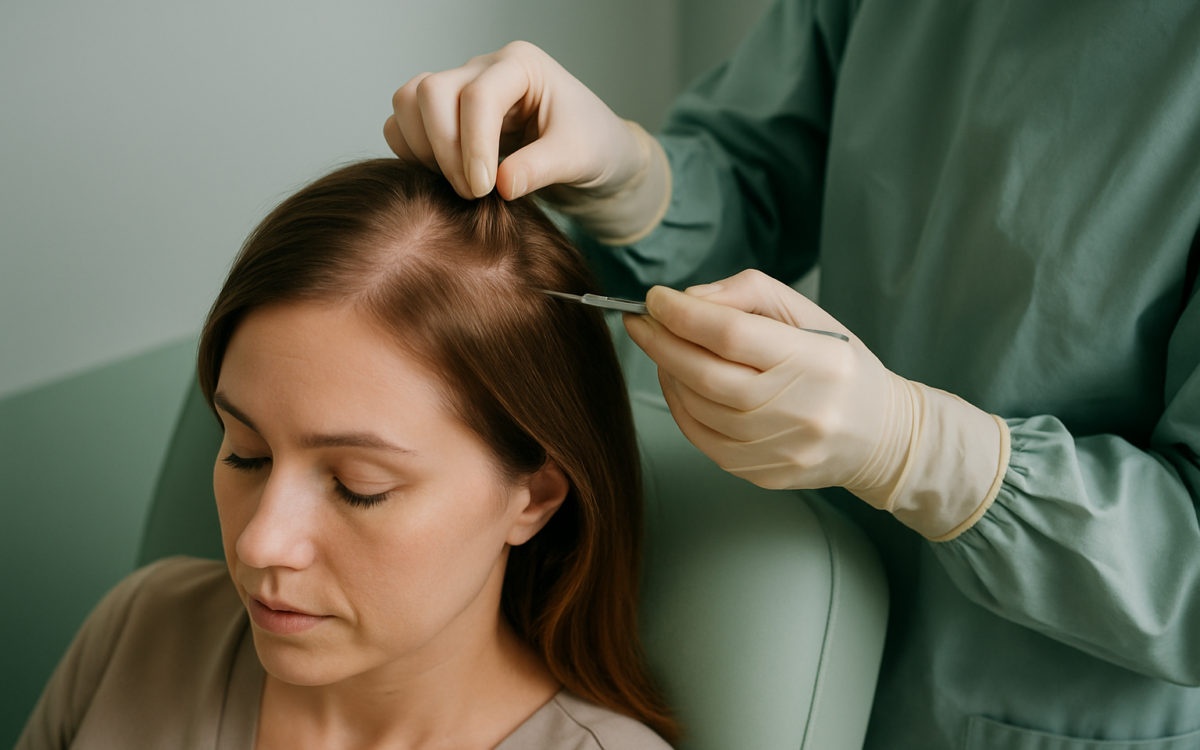
Hair loss can be a distressing experience for many women. Factors like genetics, hormonal changes, or medical conditions can lead to thinning hair or bald patches. Fortunately, advancements in hair restoration have made it possible for women to regain their confidence through hair implants.
Understanding Hair Implants
Hair implants, commonly known as hair transplants, involve moving hair follicles from a donor site—typically the back or sides of the scalp—to areas experiencing thinning or baldness. This procedure allows for natural-looking hair restoration.
Who Can Benefit from Hair Implants?
Many women consider hair implants for various reasons. Some common factors include:
- Genetic hair loss, often referred to as androgenetic alopecia.
- Traction alopecia, caused by tight hairstyles that pull on the hair.
- Medical conditions or illnesses that result in hair thinning.
- Post-pregnancy hair loss, known as telogen effluvium.
If you are experiencing any form of hair loss that impacts your self-esteem, consulting with a specialist can help determine if you’re a suitable candidate for hair implants.
The Procedure: What to Expect
The hair implant procedure consists of several steps:
Consultation
Your journey begins with a consultation where a healthcare provider evaluates your hair loss and discusses your goals. They may review your medical history and perform a physical examination.
Preparation
If you’re deemed a good candidate, the next step is preparation. The provider will explain the type of technique to be used:
- Follicular Unit Transplantation (FUT): Involves removing a strip of scalp from the donor area.
- Follicular Unit Extraction (FUE): Involves harvesting individual hair follicles.
A local anesthetic is applied to minimize discomfort during the procedure.
The Procedure
The transplant process typically takes several hours, and you can expect the following:
- The surgeon will take hair follicles from the donor site.
- Those follicles will be implanted into the areas of thinning or balding.
- The provider will take care to ensure the hair is placed at the right angle and density for a natural look.
Post-Surgery Care
After the surgery, you may experience some swelling and discomfort, which is normal. Here are some general post-operative guidelines:
- Avoid strenuous activities for a few days.
- Keep the scalp clean and follow any specific care instructions given by your provider.
- Be gentle when washing your hair, using a mild shampoo.
- Attend follow-up appointments to monitor healing.
It can take several months for the transplanted hair to grow fully, so patience is key during this period.
Potential Risks and Considerations
As with any surgical procedure, there are risks involved with hair implants.
- Possible infection at the donor or recipient site.
- Scarring, particularly with the FUT technique.
- Unnatural-looking hair growth if the procedure is not performed correctly.
Discuss these concerns with your provider to ensure you have realistic expectations and to understand the full range of potential outcomes.
Alternatives to Hair Implants
For women seeking hair restoration, hair implants are not the only option. Some alternative methods include:
- Minoxidil (Rogaine): A topical treatment that stimulates hair growth.
- Low-level laser therapy: A non-invasive treatment that promotes hair follicle health.
- Hairpieces or wigs: For an immediate cosmetic solution.
These alternatives may be less invasive, and some can be used in conjunction with, or as a prerequisite to, hair implants.
Finding the Right Specialist
Choosing the right specialist for your hair implant procedure is crucial. Here are some tips:
- Research providers thoroughly. Look for board-certified dermatologists or plastic surgeons specializing in hair restoration.
- Read reviews and ask about the provider’s experience with female patients.
- Schedule multiple consultations to compare approaches and find the best fit for you.
When to See a Doctor
If you’re considering hair implants or experiencing hair loss that concerns you, consult a healthcare professional. They can help determine the underlying causes of hair loss and discuss the best treatment options tailored to your needs.
Conclusion
Hair implants can be an effective solution for women facing hair loss, helping to restore not only hair but also confidence. By understanding the procedure, potential benefits, risks, and alternatives, you can make informed decisions. Remember, consulting with a healthcare professional is always a key step in starting your hair restoration journey.
