
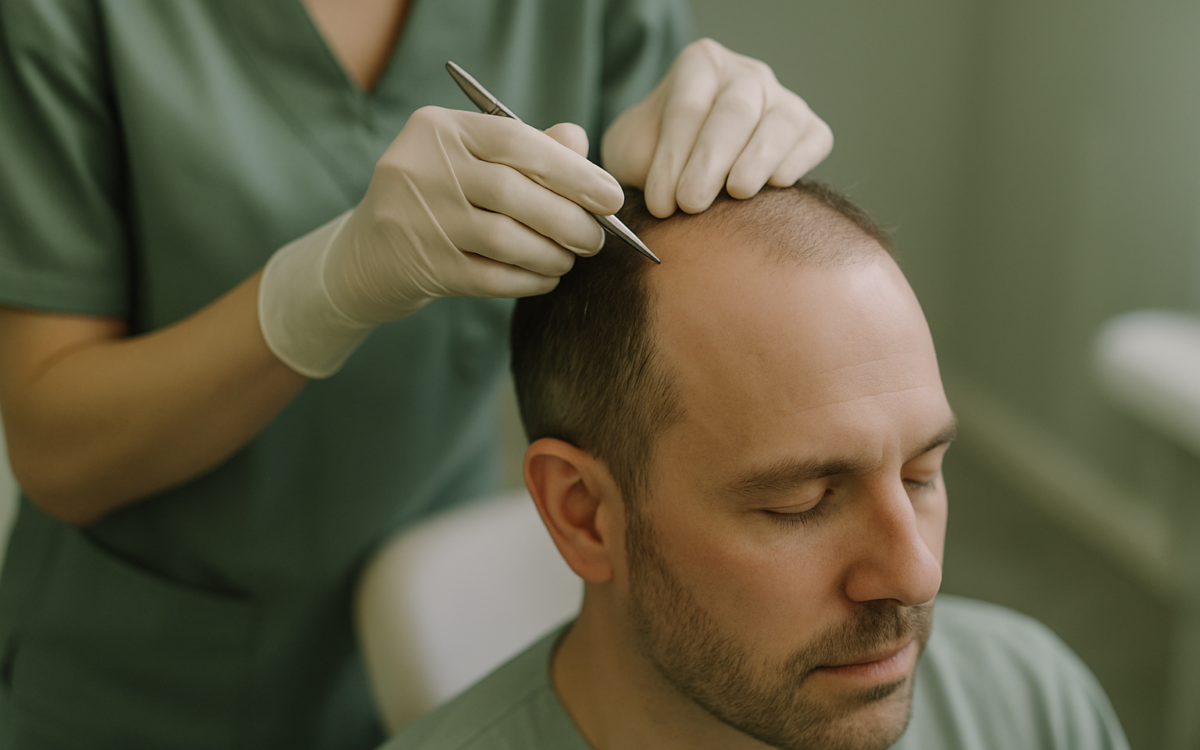
Hair loss can be a distressing experience for many people, impacting self-esteem and confidence. In Fort Lauderdale, as in many cities, hair transplants have emerged as a popular solution for those seeking to restore their hair. This article will explore the different types of hair transplants, the overall procedure, recovery expectations, and when it’s time to consult a professional.
Understanding Hair Loss
Before diving into hair transplants, it’s important to understand what causes hair loss. Conditions like androgenetic alopecia, commonly known as male or female pattern baldness, account for a significant portion of hair loss cases. Other factors, such as hormonal changes, stress, illness, and certain medications, can also contribute to hair thinning and loss. For more information on hair loss causes, the National Institutes of Health provides extensive resources.
Types of Hair Transplants
There are two primary techniques used for hair transplants:
- Follicular Unit Transplantation (FUT): This method involves removing a strip of skin from the back of the scalp, where hair is typically denser. This strip is then subdivided into small units containing one to four hair follicles and implanted into the thinning or bald areas.
- Follicular Unit Extraction (FUE): In this technique, individual hair follicles are extracted directly from the scalp and implanted in the desired areas. This method is often preferred for its minimally invasive nature and reduced scarring.
Each technique has its pros and cons, and what works best for an individual will depend on their specific situation and hair loss pattern.
The Hair Transplant Procedure
During a hair transplant, the procedure typically takes several hours and is usually performed under local anesthesia. Here’s what to expect:
Consultation
Your experience starts with a consultation where a specialist will evaluate your hair loss, discuss options, and set realistic expectations.
Preparation
On the day of the surgery, your scalp will be prepared, and anesthesia will be applied to ensure comfort throughout the procedure.
Extraction and Implantation
Following the type of transplant chosen, hair follicles will be harvested and then meticulously implanted into the areas of hair loss. Precision is key to achieving a natural look.
Post-Procedure
Once the procedure is complete, you’ll receive care instructions to ensure the best results. These may include guidelines on how to wash your hair, medications to take, and signs of complications to watch for.
Recovery and Aftercare
Recovery from a hair transplant usually involves minimal downtime, but individual experiences may vary. Here are some general tips for aftercare:
- Follow Up: Regular follow-up appointments with your doctor are crucial to monitor healing and hair growth.
- Avoid Strenuous Activities: For the first few weeks, avoid heavy exercise and activities that could strain the scalp.
- Gentle Hair Care: Use mild shampoos and be gentle while washing your hair to avoid dislodging newly transplanted follicles.
Most individuals begin to see new hair growth within a few months, with full results typically visible after about a year (Mayo Clinic).
Potential Risks and Considerations
Like any surgical procedure, hair transplants carry risks. These can include:
- Infection at the donor or transplant sites
- Scarring from the procedure
- Shock loss, where existing hair falls out temporarily
- Uneven results or unnatural hair growth
It’s important to discuss these risks with your healthcare provider before proceeding with a hair transplant.
When to See a Doctor
If you notice sudden or excessive hair loss, or if your scalp shows signs of irritation, it’s advisable to consult a healthcare professional. Early intervention can help determine whether a hair transplant is an appropriate choice. Additionally, if you’re considering a hair transplant, a consultation with a qualified specialist can provide guidance tailored to your needs.
Conclusion
Hair transplants in Fort Lauderdale offer a viable solution for individuals dealing with hair loss. By understanding the types, procedures, recovery processes, and potential risks, you can make an informed decision about the best course of action for your hair restoration journey. Remember to consult healthcare providers to ensure you choose a plan that’s right for you.
