
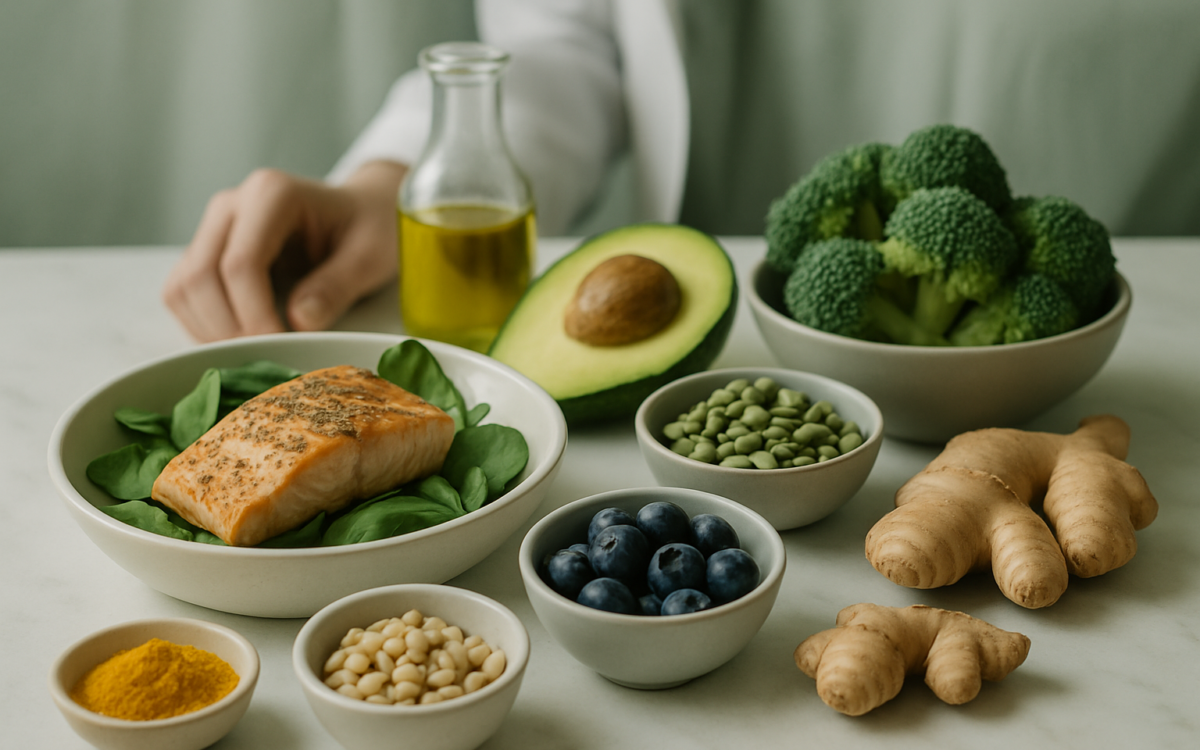
In recent years, the focus on diet’s role in health has gained enormous attention. Among these various dietary approaches, the anti-inflammatory diet is renowned for its potential to reduce chronic inflammation and improve overall well-being. Chronic inflammation is linked to numerous health issues, including heart disease, diabetes, and certain cancers. So, what exactly does an anti-inflammatory diet involve, and how can it benefit you? Let’s dive into this nourishing approach to eating.
Understanding Inflammation
Before we explore the anti-inflammatory diet, it’s essential to understand inflammation itself. Inflammation is a natural response by the body to injury, infection, or stress. This acute inflammation is necessary for healing; however, chronic inflammation can lead to health problems over time.
According to the National Institutes of Health, chronic inflammation can stem from various factors, including poor diet, lack of exercise, stress, and environmental toxins. An anti-inflammatory diet aims to combat these factors by incorporating foods that help regulate inflammation.
Foods to Include in an Anti-Inflammatory Diet
The cornerstone of an anti-inflammatory diet is a variety of whole, nutrient-dense foods. Consider incorporating the following categories into your meals:
- Fruits and Vegetables: Colorful fruits and vegetables are rich in antioxidants and phytochemicals that help combat inflammation. Berries, cherries, oranges, leafy greens, and cruciferous vegetables like broccoli are excellent choices.
- Healthy Fats: Opt for healthy fats from sources like avocados, nuts, seeds, and olive oil. These fats are not only heart-healthy but also possess anti-inflammatory properties.
- Whole Grains: Whole grains like brown rice, quinoa, and whole-wheat products are preferable to refined grains. They provide fiber, which can help reduce inflammation in the body.
- Fish and Lean Proteins: Fatty fish, such as salmon and sardines, are rich in omega-3 fatty acids known for their inflammation-fighting benefits. Lean meats, poultry, and plant-based proteins like beans and lentils should also be included.
- Spices and Herbs: Turmeric, ginger, and garlic are among the spices that have anti-inflammatory properties. Adding these to your meals can enhance flavor while providing health benefits.
Foods to Avoid
Just as essential as knowing what to include in your diet is understanding what to limit. Certain foods can contribute to inflammation, including:
- Processed Foods: Foods high in sugar, saturated fats, and refined carbohydrates can worsen inflammation. These include sugary snacks, fast food, and many packaged meals.
- Red and Processed Meats: Limit your intake of red meat and processed meats like bacon and sausages, which can increase inflammatory markers.
- Trans Fats: Found in many fried and commercially baked products, trans fats are known to trigger inflammation.
- Refined Sugars: High sugar consumption is linked to increased inflammation, so it’s beneficial to reduce sugary beverages and sweets.
Benefits of the Anti-Inflammatory Diet
Adopting an anti-inflammatory diet can lead to many potential health benefits:
- Reduced Chronic Pain: Some research suggests that an anti-inflammatory diet may help alleviate symptoms of chronic conditions like arthritis and other inflammatory diseases.
- Heart Health: An improved diet can lead to better heart health, reducing the risk of cardiovascular diseases and high blood pressure.
- Better Digestion: Whole foods and high-fiber diets can improve digestive health, reducing bloating and promoting regularity.
- Support for Mental Health: There is emerging evidence that certain anti-inflammatory foods can improve mood and cognitive function, providing benefits for mental health as well.
Getting Started with an Anti-Inflammatory Diet
Transitioning to an anti-inflammatory diet doesn’t have to happen overnight. Try these steps to ease into this new way of eating:
- Make gradual changes: Start by integrating more fruits and vegetables into your meals. Gradually replace processed and unhealthy foods with whole food alternatives.
- Plan your meals: Meal planning can help you make healthier choices and avoid impulsive eating of processed foods when hungry.
- Experiment with cooking: Try new recipes that feature anti-inflammatory ingredients. Explore different spices and flavors to find meals you enjoy.
- Listen to your body: Pay attention to how different foods affect your body and mood. Adjust your diet accordingly for maximum benefits.
When to See a Doctor
If you experience chronic pain, fatigue, or other persistent symptoms that concern you, it may be time to consult a healthcare professional. While diet can be a powerful tool, medical advice is crucial for managing chronic health issues. A doctor or registered dietitian can provide personalized guidance based on your unique health needs.
Embarking on an anti-inflammatory diet can be a rewarding journey toward improved wellness. Focusing on nourishing foods can not only combat inflammation but also contribute to a healthier, happier life.
