
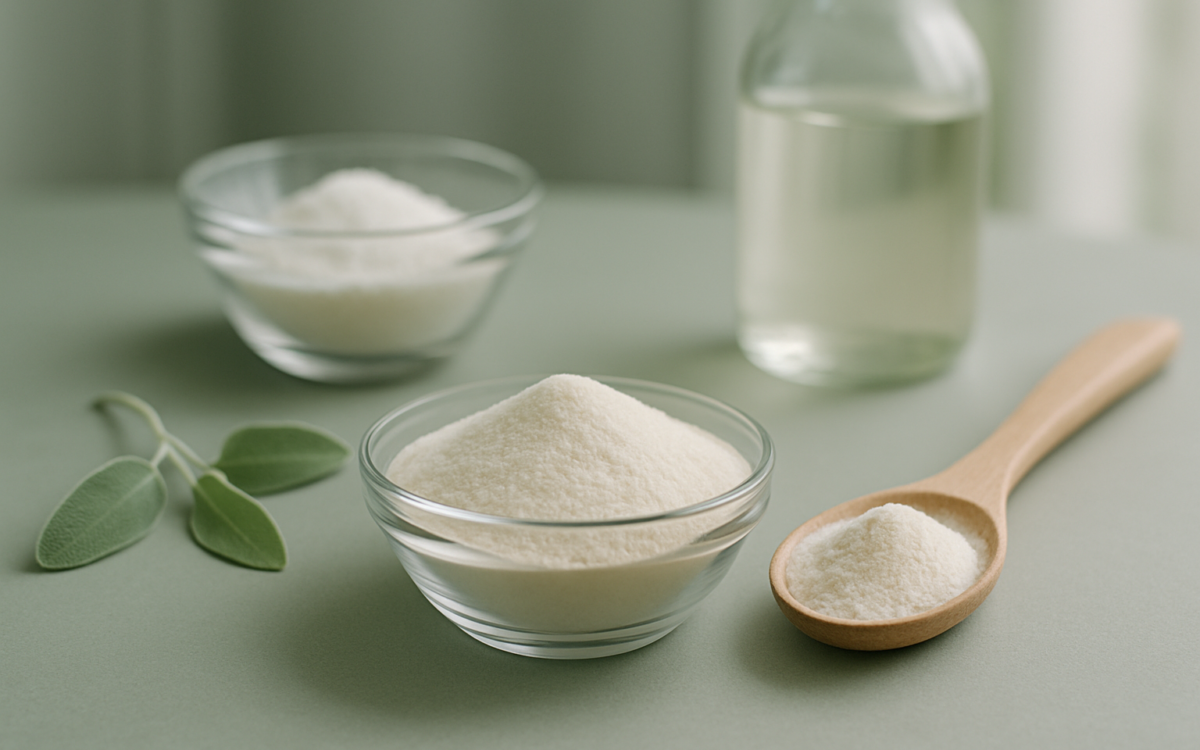
Xanthan gum is a popular ingredient in many recipes, especially in gluten-free baking and thickening sauces. With its ability to improve texture and consistency, it’s a staple in many kitchens. However, some people may not have xanthan gum on hand, or they might be looking for alternatives due to dietary restrictions or preferences. If you’re curious about xanthan gum substitutes, you’re in the right place!
What Is Xanthan Gum?
Xanthan gum is a polysaccharide created through the fermentation of sugars by the bacterium Xanthomonas campestris. Commonly used as a thickening agent and stabilizer, xanthan gum helps maintain the texture of sauces, dressings, and baked goods. Its unique properties make it especially valuable for gluten-free recipes, where it helps replicate the stretchy qualities of gluten.
Why You Might Need a Substitute
There are several reasons you might need to find a xanthan gum substitute:
- You don’t have xanthan gum at home.
- You are allergic to xanthan gum or following a specialized diet.
- You want to experiment with other ingredients for different tastes or textures.
Fortunately, there are many alternatives you can try that will still deliver great results.
Popular Xanthan Gum Substitutes
1. Guar Gum
Guar gum is a great alternative to xanthan gum. Derived from guar beans, it is often used as a thickener and stabilizer. You can use it in a 1:1 ratio as a xanthan gum replacement, though some suggest starting with half the amount and adjusting as necessary, as it can create a thicker texture.
2. Chia Seeds
Chia seeds are not only nutritious but also make an excellent thickening agent. When soaked in liquid, chia seeds expand and form a gel-like consistency. For every tablespoon of xanthan gum, try using 2 tablespoons of chia seeds mixed with three tablespoons of water. Let this mixture sit for a few minutes to achieve the right consistency.
3. Flaxseed Meal
Like chia seeds, flaxseeds can create a thick texture when mixed with water. Use 1 tablespoon of flaxseed meal combined with 2.5 tablespoons of water for each tablespoon of xanthan gum. Allow it to sit for about 5 minutes to thicken before incorporating it into your recipe.
4. Cornstarch
Cornstarch can also work as a xanthan gum substitute, especially in sauces and gravies. To replace xanthan gum, you’ll typically need about twice the amount of cornstarch. Keep in mind that cornstarch may not provide the same elasticity as xanthan gum, so it’s best for recipes where thickening without stretch is sufficient.
5. Psyllium Husk Powder
Psyllium husk powder is a fiber supplement that can help mimic the binding properties of xanthan gum. Use a 1:1 ratio to replace xanthan gum in recipes. It’s a great option for gluten-free baking, as it can help give structure to baked goods like bread and muffins.
International Perspective on Xanthan Gum Alternatives
The use of xanthan gum varies around the world, and people often have their favorite substitutes based on local ingredients. In some regions, you might find native thickening agents more common, such as arrowroot powder or gelatin. If you’re interested in exploring international treatments and alternative ingredients for your dietary needs, a visit to Acibadem International could provide more insights into diverse culinary practices and substitutions.
Other Considerations When Choosing a Substitute
When selecting a xanthan gum substitute, consider the following:
- Texture: Different substitutes yield different textures. For instance, chia seeds will add crunch, while cornstarch won’t add any texture at all.
- Flavor: Some substitutes may impart a slight taste to your dish. For example, flaxseed has a nutty flavor, so consider whether that complements your recipe.
- Dietary Restrictions: Always check whether the substitute fits your dietary needs, especially if you have allergies or follow specific dietary guidelines.
Tips for Adjusting Recipes
Here are some tips for successfully swapping xanthan gum with your chosen substitute:
- Start Small: Begin with less than the recommended amount and gradually add more if needed. This approach helps you avoid over-thickening your dish.
- Monitor Consistency: As you add your substitute, keep an eye on the texture of your dish. Adjust the liquid content if necessary to achieve the desired consistency.
- Experiment: Don’t be afraid to experiment with different substitutes and see which ones work best in various recipes.
When to See a Doctor
If you experience any unusual symptoms or allergic reactions after using a substitute for xanthan gum, it’s wise to consult a healthcare professional. They can provide guidance and ensure your dietary choices align with your health needs.
In summary, while xanthan gum serves specific functions in cooking and baking, many effective substitutes can fit your needs. Experiment with the options above to enhance your cooking and find the right fit for your recipes!
