
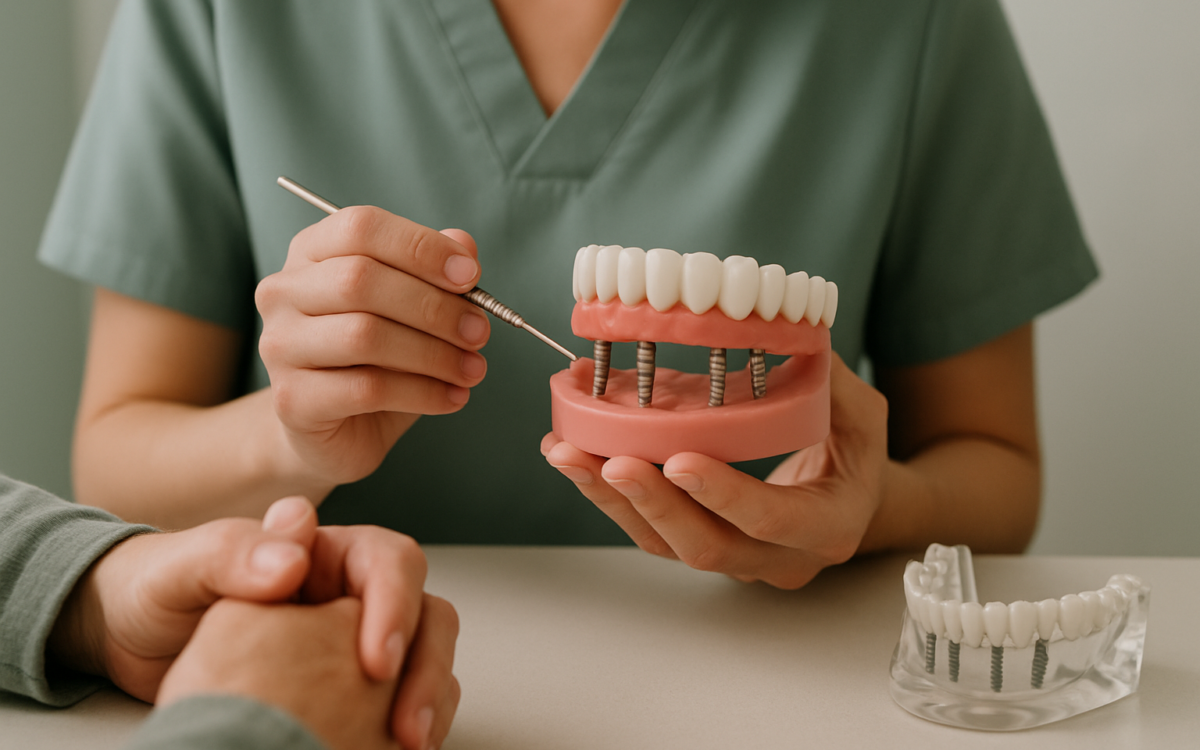
If you are considering ways to restore your smile due to missing or damaged teeth, whole mouth dental implants might be the solution you’re looking for. This innovative approach not only boosts your confidence but also improves your oral health.
What Are Whole Mouth Dental Implants?
Whole mouth dental implants, often referred to as full arch or all-on-four dental implants, are a type of implant-supported denture. These implants replace an entire arch of teeth—either on the upper or lower jaw—using just four strategically placed titanium posts. This solution is ideal for individuals who have lost most or all of their teeth and want a permanent and stable restoration.
How Do Whole Mouth Dental Implants Work?
The procedure involves a thorough evaluation of your oral health. Your dentist will determine if you are a good candidate by examining your jawbone density and overall health. Once approved, the process typically includes the following steps:
- Initial Consultation: Your dentist will assess your situation and plan the procedure.
- Surgery: Implants are surgically placed into the jawbone, serving as a foundation for the dental restoration.
- Recovery: Healing time can vary, but the jawbone needs to integrate with the implants for optimal strength.
- Placement of the Denture: After healing, a custom-made denture is affixed to the implants.
Benefits of Whole Mouth Dental Implants
Choosing whole mouth dental implants comes with numerous advantages:
- Enhanced Comfort: Unlike traditional dentures, implants provide stability and comfort, as they are anchored to the jawbone.
- Improved Oral Health: The implants prevent bone loss in the jaw, which can occur when teeth are missing.
- Natural Appearance: The resulting smile looks and functions like natural teeth, boosting your self-esteem.
- Improved Eating: You can enjoy a varied diet, as the implants allow you to chew more effectively.
Potential Risks and Considerations
While whole mouth dental implants have many benefits, there are potential risks you should be aware of:
- Infection: Any surgical procedure carries a risk for infection.
- Implant Failure: In rare cases, the implants may fail to integrate with the bone.
- Sensitivity or Discomfort: Some patients experience sensitivity in the area around the implants.
It’s important to discuss any concerns with your dentist to ensure you make the best choice for your oral health.
Investment and Longevity
Whole mouth dental implants are often viewed as a long-term investment in your health. While the upfront cost may be higher than traditional dentures, the durability of implants—often lasting 10-15 years or more with proper care—can make them more cost-effective in the long run. Regular dental check-ups and maintaining good oral hygiene are critical to extending their lifespan.
Are You a Good Candidate?
To determine if whole mouth dental implants are suitable for you, several factors come into play:
- Jawbone Health: Adequate bone density is required to support the implants. If bone loss is present, procedures such as bone grafting might be necessary.
- Overall Health: Chronic conditions like diabetes or heart disease may affect your candidacy, making a full medical evaluation essential.
- Lifestyle Factors: Smoking or poor dietary habits can impact healing and overall success.
Your dentist can provide detailed insight after an evaluation.
When to See a Doctor
If you’re suffering from multiple missing teeth or experiencing discomfort with your current dentures, it may be time to consult with a dental professional to explore the option of whole mouth dental implants. Early intervention can lead to better outcomes and improved oral health.
Conclusion
Whole mouth dental implants can offer a transformative solution for those seeking to restore their smile and improve their quality of life. With proper planning, understanding the benefits and risks, and working closely with a dental professional, you can make an informed decision about the best path forward for your dental health. For further details on this procedure, consider visiting reputable medical sources like the Mayo Clinic or the National Institutes of Health.
