
Missing teeth can be more than just a cosmetic issue; they can significantly impact your overall health and self-esteem. If you find yourself in need of tooth replacement, understanding your options is crucial. Let’s explore the various methods available to help you regain your smile, confidence, and functionality.
Why You Might Need to Replace Teeth
There are several reasons why someone might need to replace a tooth or multiple teeth. These include:
- Tooth decay: Severe cavities can damage teeth beyond repair.
- Gum disease: Periodontal disease can lead to tooth loss.
- Injury: Accidents or sports injuries may result in lost teeth.
- Congenital issues: Some people may be born without certain teeth.
Each of these conditions can lead to not only a gap in your smile but also complications like bite issues, jaw pain, and difficulty eating. Addressing these issues is important for both health and aesthetics.
Dental Implants: A Long-Term Solution
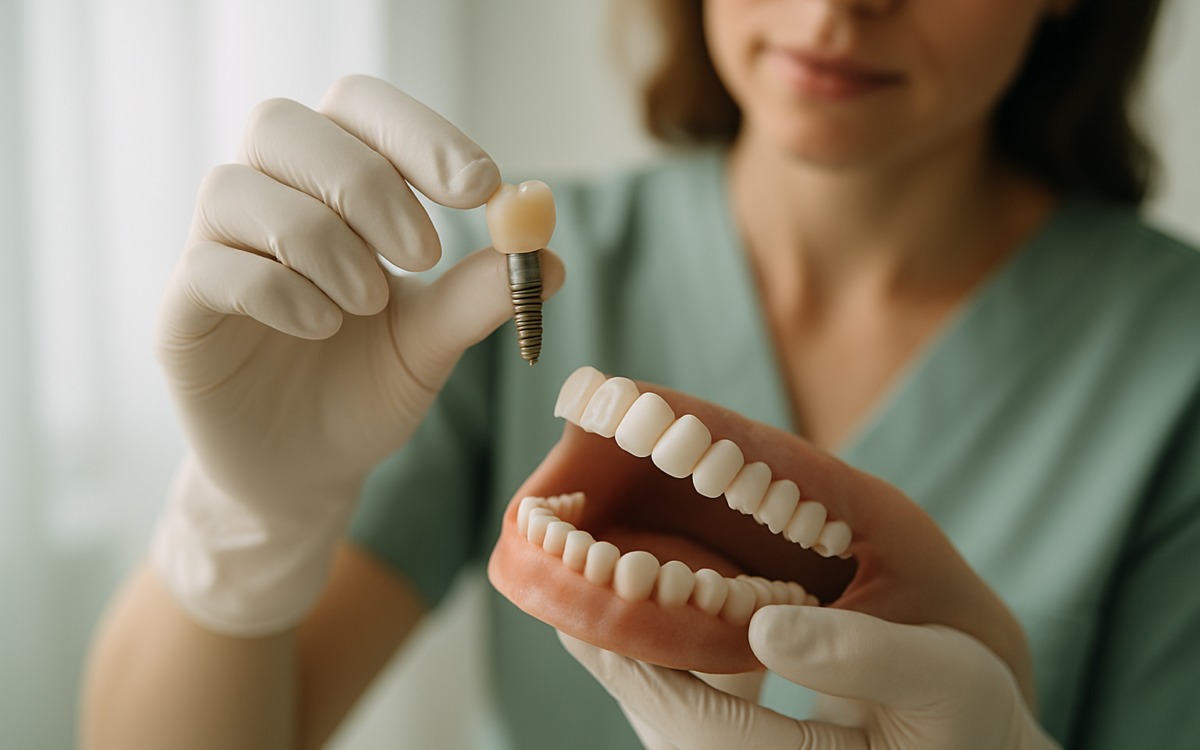
Dental implants are one of the most popular methods for replacing missing teeth. They consist of a titanium post that is surgically inserted into the jawbone to serve as a replacement root. Once the implant integrates with the bone, a crown is placed over it.
Advantages of Implants
- Durability: Implants can last a lifetime with proper care.
- Natural appearance: They look and feel like natural teeth.
- Bone preservation: Implants help maintain jawbone density.
According to the National Institute of Dental and Craniofacial Research, dental implants have a high success rate, making them a reliable choice.
Dental Bridges: Filling the Gaps
Another option for tooth replacement is a dental bridge. This involves creating a bridge made up of artificial teeth supported by your natural teeth. It is an excellent solution for those who may not be candidates for implants.
Types of Bridges
- Traditional bridges: Supported by crowns on adjacent teeth.
- Maryland bridges: Supported by metal or porcelain wings.
- Implant-supported bridges: Attached to implants.
Bridges can restore your smile and improve your ability to chew and speak. Treatment is often less invasive than dental implants, but they may require the alteration of healthy teeth to support the crowns.
Dentures: A Removable Option
If you are missing multiple teeth or an entire arch, dentures may be an appropriate option. These removable appliances can restore function and appearance in a non-invasive way.
Types of Dentures
- Complete dentures: For those missing all teeth in an arch.
- Partial dentures: For those who still have some natural teeth.
According to the Centers for Disease Control and Prevention (CDC), properly fitted dentures can greatly improve quality of life and reduce facial sagging often observed with tooth loss.
Cost and Considerations
The cost of tooth replacement varies widely based on the method chosen. Dental implants tend to be the most expensive option, followed by bridges and then dentures. When considering treatment, it’s important to review the long-term value versus short-term costs. For instance, while implants may have a higher upfront cost, they often require fewer replacements over time than dentures.
Insurance and Financing
Many dental insurance plans may cover part of the costs associated with tooth replacement, especially for bridges and dentures. It’s crucial to check with your provider about coverage options. Additionally, some dental offices offer financing options to make treatment more affordable.
Aftercare: Keeping Your New Teeth Healthy
Once you’ve chosen a tooth replacement method, take care of your new teeth to ensure their longevity:
- Maintain good oral hygiene: Brush and floss daily, and visit your dentist regularly.
- Avoid hard foods: Especially immediately after placement.
- Follow your dentist’s advice: They may provide specific care instructions based on your treatment.
Good aftercare will not only keep your replaced teeth in great shape but also support your overall dental health.
When to See a Doctor
If you have missing teeth or are experiencing issues with your dental health, consult a dentist as soon as possible. They can assess your situation and recommend the best treatment tailored to your needs.
Conclusion
Replacing missing teeth is an essential step toward reclaiming your smile and ensuring your overall oral health. With a range of options available, from dental implants to bridges and dentures, it’s important to work closely with your dental professional to determine the best path for you. Remember, your journey to a healthier smile begins with understanding your choices.
