
Inflammation is the body’s natural response to injury and infection, but when it becomes chronic, it can lead to a host of health issues, including heart disease, diabetes, and arthritis. One effective way to manage inflammation is through diet. So, what is the best anti-inflammatory diet? Let’s dive into the foods that can help reduce inflammation and promote overall health.
Understanding Inflammation
Inflammation can be acute or chronic. Acute inflammation is a short-term response that helps the body heal from injuries or infections. Chronic inflammation, however, lasts longer and can contribute to serious health conditions. Much research has shown that diet plays a crucial role in managing inflammation levels in the body. Foods rich in antioxidants, fiber, and healthy fats can provide healing benefits.
Key Components of an Anti-Inflammatory Diet
To create an anti-inflammatory diet, focus on incorporating various whole foods that nourish and support your body. Here are some key components:
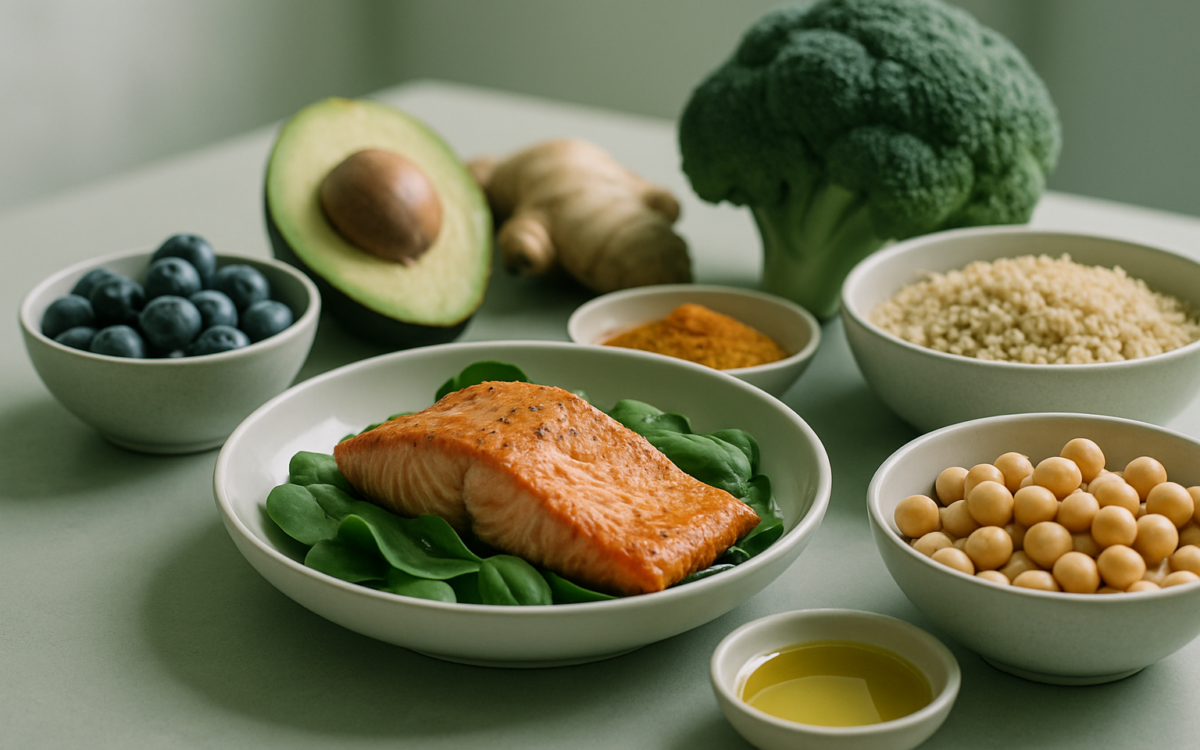
- Fruits and Vegetables: Aim for a colorful plate. Berries, leafy greens, carrots, and sweet potatoes are all high in antioxidants that fight inflammation.
- Healthy Fats: Foods like avocados, nuts, and olive oil contain healthy monounsaturated fats that can help reduce inflammation.
- Whole Grains: Whole grains like brown rice, quinoa, and oats are rich in fiber and essential nutrients that help lower inflammatory markers in the body.
- Lean Proteins: Incorporate fish, poultry, and plant-based proteins. Fatty fish like salmon and sardines are especially good due to their omega-3 fatty acids.
- Herbs and Spices: Turmeric, ginger, garlic, and cinnamon not only add flavor but also have potent anti-inflammatory properties.
Foods to Avoid
Just as important as knowing what to eat is understanding what to avoid. Certain foods can promote inflammation, including:
- Processed Foods: Items high in refined sugars, trans fats, and artificial ingredients can increase inflammation.
- Excessive Sugar: High sugar intake is linked to higher levels of inflammatory markers in the body.
- Red and Processed Meats: These can contribute to inflammation and other health issues when consumed in excess.
- Refined Carbohydrates: White bread and pastries made from fine flour can spike blood sugar and lead to inflammation.
Sample Anti-Inflammatory Meal Plan
Creating an anti-inflammatory meal plan can be simple and delicious. Here’s a one-day sample meal plan to inspire you:
- Breakfast: Overnight oats topped with fresh berries and a sprinkle of cinnamon.
- Lunch: Quinoa salad with chickpeas, cherry tomatoes, cucumber, and a dressing of olive oil and lemon juice.
- Snack: A handful of almonds and a piece of fruit.
- Dinner: Grilled salmon with steamed broccoli and sweet potatoes, seasoned with garlic and turmeric.
- Dessert: A small bowl of mixed berries.
The Role of Lifestyle in Inflammation
Your overall lifestyle can significantly affect inflammation. Here are some habits that can help:
- Regular Exercise: Aim for at least 150 minutes of moderate exercise each week. This can help reduce inflammation and improve bodily functions.
- Hydration: Drink plenty of water throughout the day. Proper hydration supports cellular functions and helps flush out toxins that may contribute to inflammation.
- Stress Management: Chronic stress can increase inflammation. Practices like yoga, meditation, or simply spending time in nature can be beneficial.
- Sufficient Sleep: Aim for 7–9 hours of quality sleep each night to allow your body to repair and recover.
When to See a Doctor
If you suspect that you have chronic inflammation or are experiencing symptoms like persistent pain, fatigue, or unexplained weight changes, consider consulting a healthcare professional. They can help identify any underlying conditions and guide you on the best path for your health.
Conclusion
A nutritious, balanced diet that emphasizes whole foods and limits processed ingredients can effectively manage and reduce inflammation. By making simple changes to what you eat and adopting a healthier lifestyle, you may find yourself feeling better and reducing your risk of chronic diseases. Start small, listen to your body, and remember that every healthy choice counts in the journey to wellness. For more information on inflammation and nutrition, visit the National Institutes of Health or the World Health Organization.
