
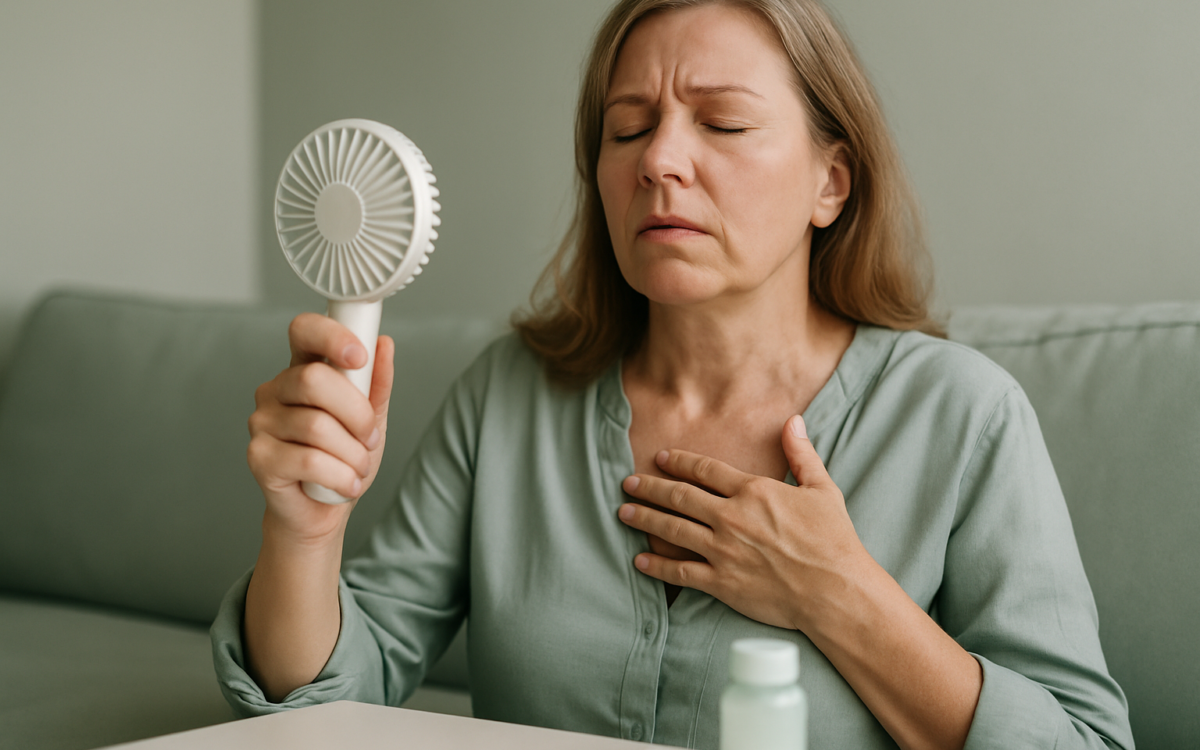
Hot flashes can be an uncomfortable part of the menopausal experience for many women. These sudden waves of warmth can leave you feeling flushed and embarrassed, making daily life feel challenging. Fortunately, there are effective strategies to help manage and reduce the intensity and frequency of hot flashes. In this article, we will explore various methods, including lifestyle changes, natural remedies, and when to consider medical options.
Understanding Hot Flashes
Hot flashes occur due to hormonal changes in a woman’s body, typically during the perimenopausal and menopausal stages. The drop in estrogen levels can affect the body’s temperature regulation, leading to sudden feelings of warmth that can last from a few seconds to several minutes. Symptoms can vary widely, but they often include sweating, rapid heartbeat, and sometimes chills as the episode ends. Understanding the causes can help you find effective relief.
Lifestyle Changes to Alleviate Hot Flashes
Adopting a healthy lifestyle can significantly impact the frequency and intensity of hot flashes. Here are some practical tips:
- Dress in Layers: Wearing loose, breathable clothing can help you stay cooler. Use layers so you can easily adjust your clothing if you feel a hot flash coming on.
- Avoid Triggers: Certain foods and drinks can trigger hot flashes. Common offenders include spicy foods, caffeinated beverages, and alcohol. Keeping a journal can help identify your personal triggers.
- Stay Hydrated: Drinking plenty of water can help regulate body temperature. Cold drinks can provide immediate relief during a hot flash.
- Exercise Regularly: Physical activity can improve your overall health and may reduce the severity of hot flashes. Aim for at least 30 minutes of moderate exercise most days of the week.
- Practice Relaxation Techniques: Stress can exacerbate hot flashes. Techniques such as deep breathing, meditation, and yoga can help manage stress and lower the chances of triggering a hot flash.
Natural Remedies for Hot Flashes
In addition to lifestyle changes, several natural remedies may provide relief from hot flashes:
- Flaxseed: Rich in omega-3 fatty acids, flaxseed may help balance hormones. Adding flaxseed to your diet can be as simple as mixing it into smoothies, oatmeal, or yogurt.
- Black Cohosh: This herbal supplement has been used in traditional medicine to alleviate hot flashes. While studies have shown mixed results, some women report positive effects.
- Vitamin E: Some women find that vitamin E supplements can help with hot flashes. It is also present in foods like nuts, seeds, and green leafy vegetables.
- Mind-Body Techniques: Techniques such as acupuncture and hypnosis have been studied for their potential to ease menopausal symptoms, including hot flashes.
Medical Treatment Options
If lifestyle changes and natural remedies do not provide the relief you seek, it may be time to discuss medical options with your doctor. Several treatments are available:
- Hormone Therapy: Estrogen therapy is often the most effective treatment for hot flashes. It can drastically reduce the frequency of episodes but may not be suitable for everyone due to potential risks.
- Non-Hormonal Medications: Antidepressants, anti-seizure medications, and blood pressure drugs have been found to provide relief for some women. These options might be beneficial for those who cannot take hormone therapy.
- Consulting a Specialist: A gynecologist or a specialist in menopause can provide tailored advice and treatment plans specific to your symptoms and health history.
Dietary Choices That Can Help
Your diet plays a critical role in managing hot flashes. Here are some dietary changes to consider:
- Incorporate Soy Products: Foods high in phytoestrogens, like soy, may help balance hormones. Options include tofu, tempeh, and edamame.
- Eat Whole Grains: Whole grains can help stabilize blood sugar levels, which might reduce the frequency of hot flashes.
- Include Fruits and Vegetables: A diet rich in fruits and vegetables provides essential nutrients and antioxidants, supporting overall health during menopause.
When to See a Doctor
While hot flashes are a common symptom of menopause, it’s important to consult your doctor under certain conditions:
- If hot flashes significantly disrupt your daily life or sleep.
- If you experience severe symptoms that seem unusual or different from what you have experienced before.
- If you are considering hormone therapy or other medical treatments and have any underlying health concerns.
Remember, your doctor can help you find the best approach tailored to your needs.
Managing hot flashes can be a journey of trial and error. What works for one person may not work for another, but the good news is that help is available. By combining lifestyle changes, natural remedies, and medical treatments, you can find the right formula to ease your symptoms and regain your comfort during this stage of life. Don’t hesitate to reach out to your healthcare provider for support and guidance along the way.
