
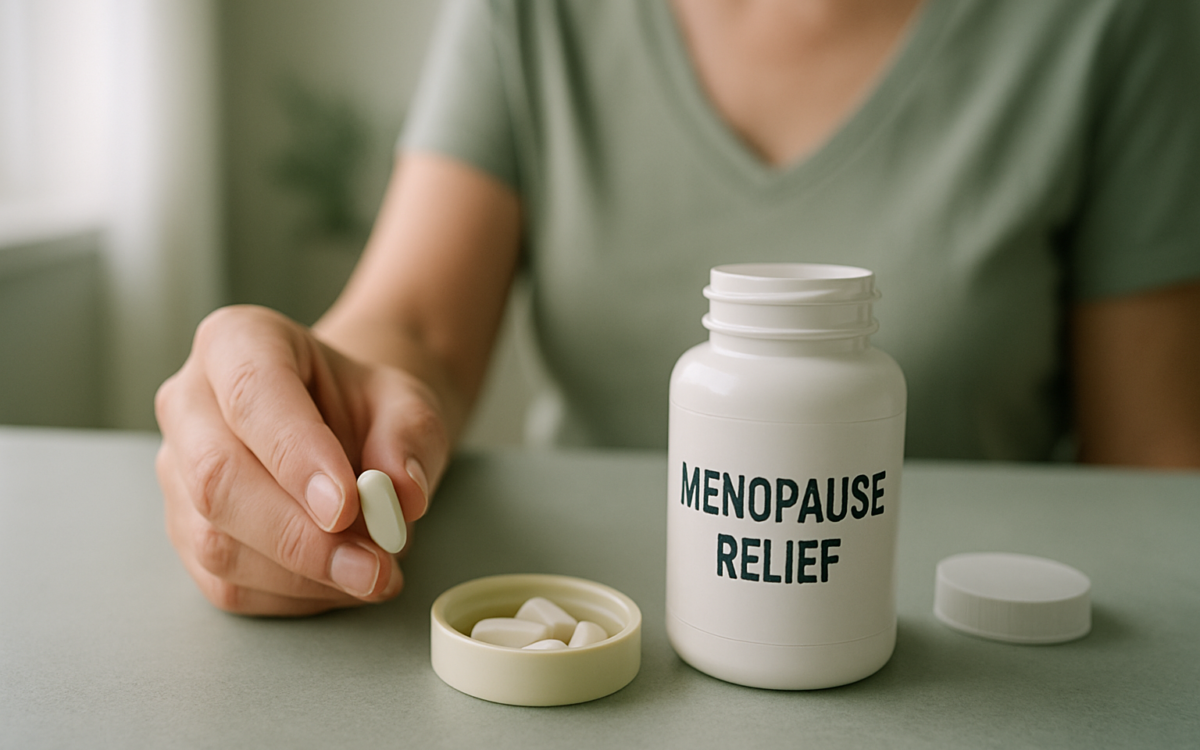
Menopause is a natural phase in a woman’s life, typically occurring between the ages of 45 and 55, signaling the end of menstrual cycles and a shift in hormonal balance. While this transition is a normal part of aging, it can come with a variety of symptoms like hot flashes, mood swings, and sleep disturbances. Luckily, there are several over-the-counter (OTC) options that may provide some relief. Understanding these can help you feel more comfortable during this significant change.
Understanding Menopause Symptoms
Before diving into OTC options, it’s important to recognize the common symptoms associated with menopause:
- Hot Flashes: Sudden feelings of warmth that can lead to sweating and discomfort.
- Night Sweats: Hot flashes that occur during sleep, often disrupting rest.
- Mood Changes: Increased irritability or sadness due to hormonal fluctuations.
- Vaginal Dryness: Reduced moisture in the vaginal area leading to discomfort.
- Sleep Issues: Trouble falling or staying asleep, often tied to other symptoms like night sweats.
Many women experience these symptoms to varying degrees, and while they can be challenging, OTC products can offer support.
OTC Hormonal Treatments
Some over-the-counter options mimic the effects of estrogen and can alleviate symptoms. Most commonly, you will find:
- Bioidentical Hormone Products: These are hormone supplements often derived from plant sources that are chemically similar to hormones produced by the body. Seek products that specifically state they contain bioidentical estrogen or progesterone.
While some women report relief, it’s vital to approach these products with caution and to discuss their use with a healthcare professional. Remember, not all hormonal treatments are right for everyone, and safety should be a priority.
Herbal Supplements
Many women turn to herbal remedies for menopause relief. Some popular options include:
- Black Cohosh: Often used to manage hot flashes and mood swings, black cohosh may help balance hormones for some women.
- Red Clover: Contains phytoestrogens, which are plant-derived compounds that may mimic estrogen in the body. Some studies have shown potential benefits in reducing hot flashes.
- Evening Primrose Oil: Used for its fatty acids, this oil may help reduce breast pain and other symptoms associated with hormonal changes.
While these herbs are available as pills, teas, and tinctures, it’s crucial to consult with a healthcare provider about any potential interactions and appropriate dosages. Research is ongoing regarding their effectiveness and safety.
Vitamins and Minerals
Nutrition plays a vital role during menopause. Certain vitamins and minerals support overall health:
- Calcium: To combat the risk of osteoporosis, calcium is essential for bone health. Look for OTC calcium supplements that can help meet daily requirements.
- Vitamin D: This vitamin supports calcium absorption and is crucial for bone strength. Getting adequate sunshine or taking a vitamin D supplement can be beneficial.
- B Vitamins: These vitamins support energy and mood. They are found in various foods or as supplements.
Before adding supplements to your routine, consider having a discussion with a doctor to assess your specific needs.
Non-Hormonal OTC Options
If hormonal treatments or herbal remedies aren’t your style, there are non-hormonal OTC solutions to explore:
- Lubricants: Water-based or silicone-based vaginal lubricants can help manage vaginal dryness, ensuring sexual intimacy is comfortable.
- Moisturizers: Vaginal moisturizers can provide long-term relief from dryness and discomfort; they are typically used regularly.
- Cooling Products: Products designed specifically to combat hot flashes, such as cooling patches or neck fans, can provide immediate relief.
Consider these options if you prefer a non-hormonal route or experience specific symptoms that can be targeted.
Lifestyle Changes for Menopause Relief
In addition to OTC products, lifestyle changes can significantly ease menopause symptoms:
- Regular Exercise: Physical activity can alleviate mood swings and hot flashes. Aim for activities you enjoy, such as walking, yoga, or swimming.
- Stress Management: Techniques like meditation, deep breathing, or hobbies can help manage stress, which can exacerbate symptoms.
- Healthy Diet: A balanced diet rich in fruits, vegetables, and whole grains can impact hormone regulation. Foods high in phytoestrogens, like soy, may also be beneficial.
Making these changes can improve overall well-being during menopause.
When to See a Doctor
If menopause symptoms are severely impacting your daily life or if you have concerns about your health, it’s essential to consult a healthcare provider. They can provide you with information tailored to your personal health needs and may recommend prescription options if necessary.
Conclusion
Navigating menopause can be challenging, but you don’t have to do it alone. With various over-the-counter options and lifestyle adjustments, you have tools to help manage symptoms effectively. Always stay informed and consult with a healthcare provider before starting any new treatment or supplement to ensure it’s the right choice for you. Remember, this is a natural phase of life, and finding comfort is achievable.
