
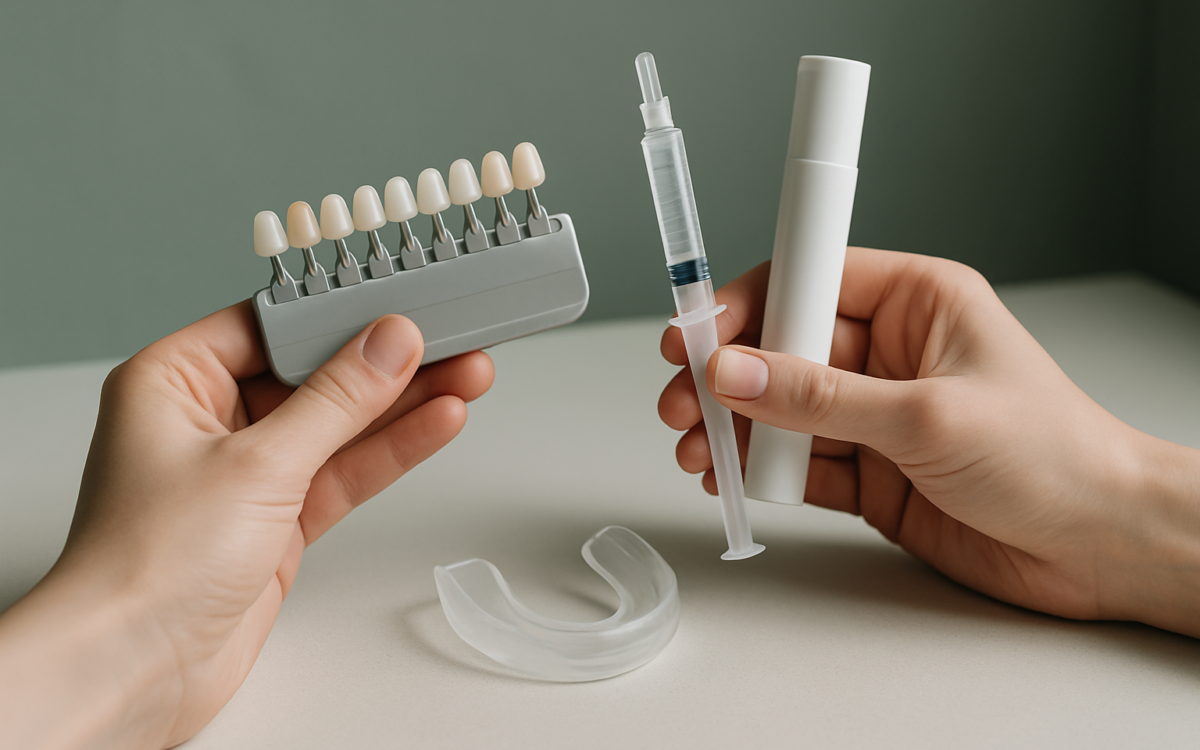
In a world where smiles are often considered a gateway to first impressions, the desire to have a bright, white smile is understandable. Many people seek teeth whitening solutions to enhance their appearance and boost their confidence. But with so many products and methods available, how do you know which teeth whitener works best for you? This guide explores different whitening options, their effectiveness, and factors to consider when making a choice.
Understanding Teeth Discoloration
Before diving into the best whitening solutions, it’s essential to understand why teeth get discolored in the first place. Teeth can become stained due to various factors, including:
-
<liFood and drinks: Coffee, tea, red wine, and certain fruits can cause staining.
<liSmoking: Tobacco products lead to significant discoloration.
<liAge: Enamel naturally wears down over time, revealing the yellow dentin underneath.
<liMedications: Some medications can contribute to tooth discoloration.
<liPoor oral hygiene: Inadequate brushing and flossing can lead to plaque buildup and stains.
Understanding these causes can help target the right whitening solution for your needs.
Types of Teeth Whiteners
When it comes to teeth whiteners, various options are available. Each method comes with its own pros and cons, and effectiveness can vary from person to person.
1. Whitening Toothpaste
Whitening toothpaste contains mild abrasives and special chemicals designed to remove surface stains. While they can be effective at maintaining your teeth’s brightness, they typically do not change the overall color of your teeth significantly. Regular use, combined with good oral hygiene, can contribute to a healthier and slightly brighter smile.
2. Whitening Strips
Whitening strips are thin, flexible pieces of plastic coated with a gel containing peroxide. They are applied directly to the teeth for a specified amount of time, generally ranging from 30 minutes to a few hours. Most people see a noticeable difference in their teeth color after a few weeks of continuous use. These strips are widely available and are an affordable at-home option.
3. Gel and Tray Systems
These kits typically include a tray that molds to your teeth and a whitening gel. The gel usually contains a higher concentration of bleaching agents than what’s found in strips or toothpaste. The customized tray helps ensure that the gel reaches every surface of your teeth uniformly. While this method can be more effective than strips, it can also cause sensitivity for some users.
4. Professional Whitening Treatments
For those seeking immediate and noticeable results, in-office whitening treatments conducted by dentists are often the best choice. These procedures use stronger bleaching agents and advanced techniques like laser whitening to provide fast results. This method is generally more expensive but offers the added benefit of professional supervision and advice.
Comparing Effectiveness
When evaluating which teeth whitener works best, consider effectiveness, cost, and your personal comfort. Here’s a quick comparison:
- Whitening Toothpaste: Best for maintenance; minimal whitening.
- Whitening Strips: Moderate whitening; more effective for gradual change.
- Gel and Tray Systems: Significant whitening; tailored to your teeth.
- Professional Treatments: Quick and dramatic results; most expensive option.
Choose the option that aligns best with your goals and budget.
International Alternatives for Treatment
For those considering dental treatments while traveling, international options can present viable and cost-effective solutions. Countries like Turkey have become popular destinations for dental tourism, offering high-quality whitening treatments at lower prices than in the United States. If you’re interested in exploring this option, consider researching treatment in Turkey, where many reputable clinics offer professional whitening services.
Ensuring Safety and Effectiveness
Whitening can be a safe procedure when done correctly, but it’s essential to follow the instructions provided with any whitening product. Here are some tips to ensure safety:
- Always check for the American Dental Association (ADA) Seal of Acceptance on products.
- Consult with your dentist prior to starting any whitening treatment to discuss your options and any potential issues.
- Be aware of potential side effects, including tooth sensitivity and gum irritation, especially with higher-concentration products.
- Use products as instructed; overuse can lead to damage to your enamel over time.
Following these guidelines can help you achieve a brighter smile without compromising your dental health.
When to See a Doctor
If you experience extreme tooth sensitivity, persistent pain, or you are unsure about the best teeth whitening solution for your needs, consider consulting with a dental professional. They can offer personalized advice and help you choose a safe and effective whitening plan. Furthermore, underlying dental issues might require attention before undergoing any whitening treatments.
Ultimately, the
