
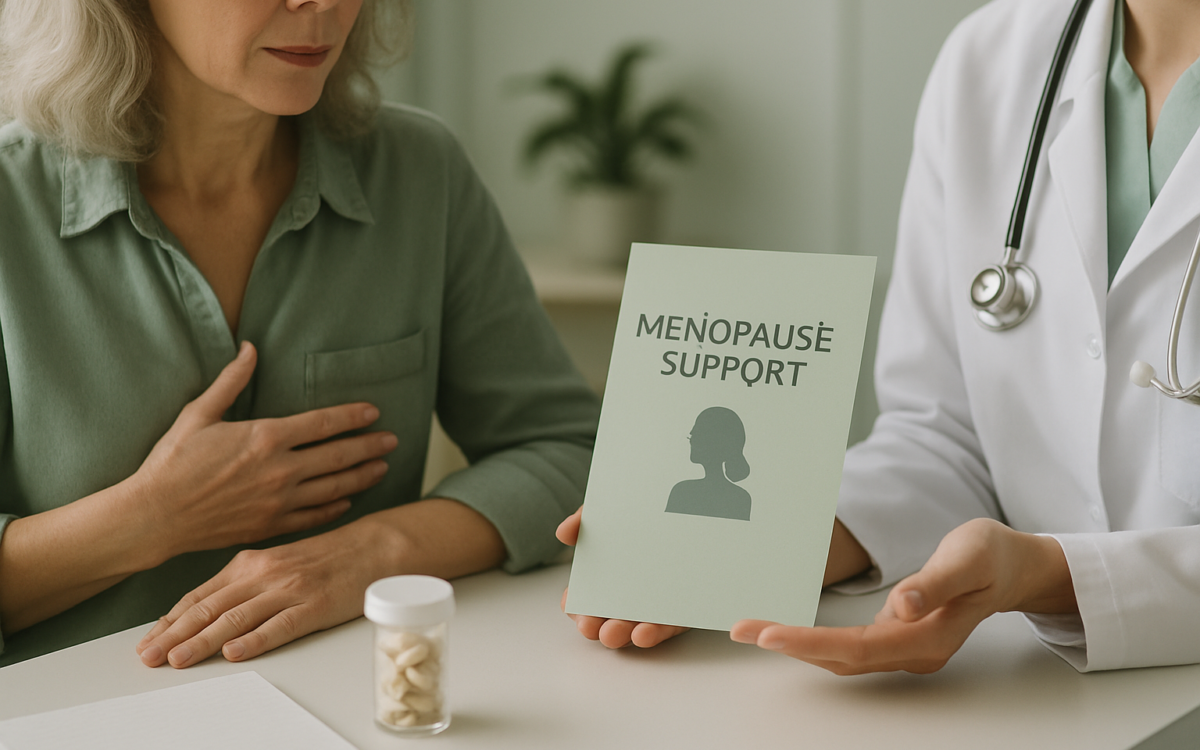
Menopause is a natural phase in a woman’s life, marking the end of her reproductive years. While it can be a time of relief for some, others may experience bumpy transitions filled with a range of physical and emotional changes. From hot flashes to mood swings, managing menopausal symptoms can feel overwhelming. Fortunately, there are many forms of menopause support that can ease this journey. Let’s explore these strategies together.
Understanding Menopause
Menopause typically occurs between the ages of 45 and 55, with many women hitting this milestone around age 51. It happens when the ovaries shut down, leading to decreased hormone production, specifically estrogen and progesterone. This hormonal shift can cause various symptoms, including:
- Hot flashes and night sweats
- Insomnia
- Weight gain
- Mood swings and anxiety
- Changes in libido
- Vaginal dryness
Recognizing these symptoms is the first step toward finding effective support.
Physical Health Strategies
Maintaining physical health during menopause can significantly alleviate some symptoms:
1. Nutrition
Eating a balanced diet rich in fruits, vegetables, whole grains, and lean proteins can help manage weight and combat energy dips. Foods rich in calcium and vitamin D are particularly important for bone health, as menopause can increase the risk of osteoporosis. Aim to limit caffeine and alcohol, which can exacerbate hot flashes.
2. Exercise
Regular physical activity can help control weight, improve mood, and promote better sleep. Aim for a mix of aerobic, strength, and flexibility exercises. Activities like walking, swimming, or yoga can be beneficial and enjoyable, helping to boost both energy and emotional wellness.
Emotional Well-Being
Mental health is just as crucial during menopause. Mood swings and anxiety can be tough to navigate, but there are many supportive strategies:
1. Mindfulness and Relaxation Techniques
Practicing mindfulness can help manage stress and improve emotional well-being. Techniques such as deep breathing, meditation, and progressive muscle relaxation can lower anxiety levels and enhance mood.
2. Social Support
Connecting with friends, family, or support groups can provide a safe space to share feelings and experiences. Knowing you are not alone in this journey can have a tremendous positive impact on mental health.
Alternative Therapies
Many women explore alternative therapies to complement their menopause support. While these aren’t replacements for traditional medical treatments, some may find relief through:
1. Herbal Supplements
Some herbal treatments, such as black cohosh or evening primrose oil, may help reduce hot flashes or improve mood. However, always consult a healthcare professional before trying new supplements to avoid potential side effects or interactions.
2. Acupuncture
Acupuncture has been explored as a way to alleviate hot flashes and enhance overall well-being. Those interested should seek a qualified practitioner familiar with menopause-related concerns.
Medical Support Options
If menopause symptoms become challenging, don’t hesitate to discuss medical options with your healthcare provider:
1. Hormone Replacement Therapy (HRT)
HRT can be a useful option for some women, helping to balance hormone levels and relieve severe symptoms. However, it’s essential to weigh the benefits and risks with your doctor, as HRT may not be suitable for everyone.
2. Non-Hormonal Medications
For those who prefer not to use hormones, various non-hormonal medications can help manage specific symptoms like hot flashes or mood changes. Your healthcare provider can provide options tailored to your needs.
When to See a Doctor
While menopause is a normal life stage, certain symptoms warrant a conversation with your doctor. Seek medical advice if you experience:
- Severe mood swings or depression
- Very heavy or irregular bleeding
- Persistent or sudden changes in health conditions
- Symptoms that disrupt daily life significantly
Open communication with your healthcare provider can help you navigate menopause more comfortably and find strategies that work for you.
Conclusion
Menopause is a significant transition, but it doesn’t have to be overwhelming. By understanding your body, prioritizing physical and emotional health, and seeking the right support, you can navigate this phase of life with confidence. Remember to consult healthcare professionals to personalize your approach and ensure it’s safe and effective. Menopause can be a new beginning, full of opportunities for personal growth and well-being.
