
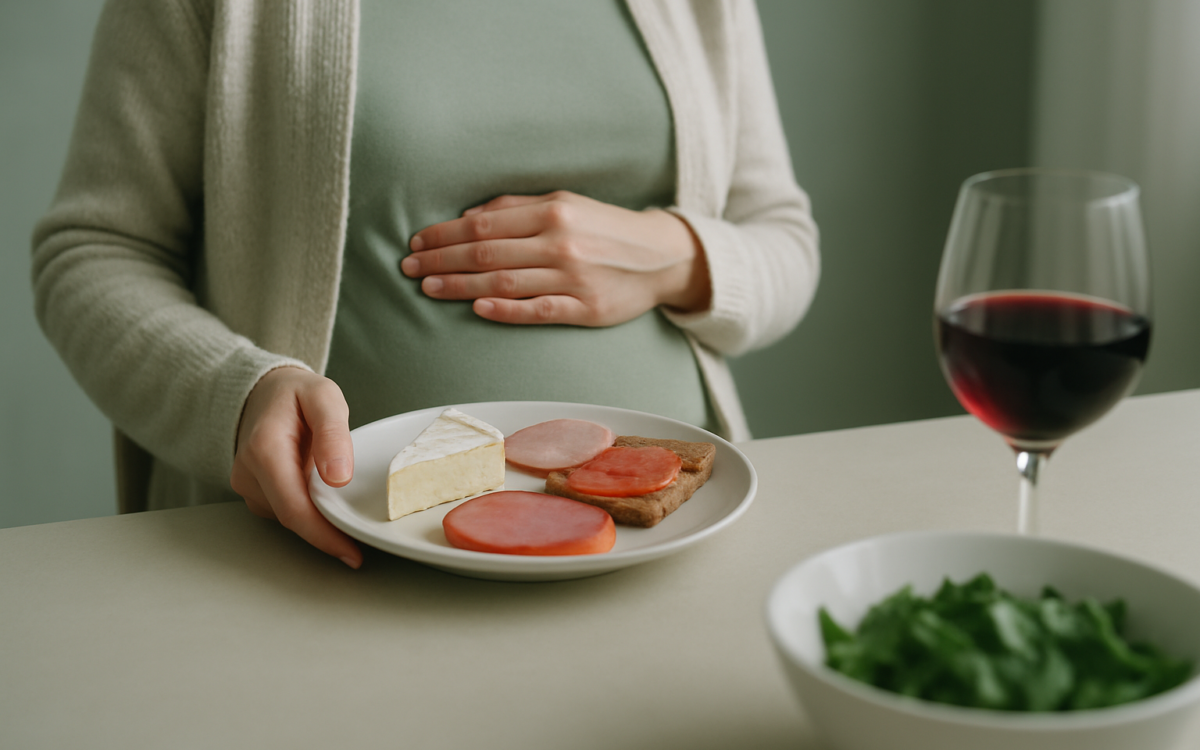
Pregnancy is a time of excitement, joy, and immense change. As your body adjusts to nurturing new life, it’s crucial to consider what you eat. While many foods are healthy and beneficial during this special time, there are certain items you should steer clear of to protect both you and your baby. Below, we explore various categories of foods to avoid during pregnancy.
Raw or Undercooked Seafood
Seafood can be a great source of protein, omega-3 fatty acids, and other essential nutrients. However, certain types must be treated with caution. Raw or undercooked seafood, such as sushi and oysters, can expose you to harmful bacteria and viruses. These can lead to foodborne illnesses that pose serious risks to your pregnancy. The CDC recommends cooking seafood to a safe internal temperature to minimize these risks.
Deli Meats and Unpasteurized Dairy
Deli meats and certain dairy products can harbor harmful bacteria like Listeria, which can lead to severe complications during pregnancy. Listeria can cause miscarriage, premature delivery, or stillbirth. It’s essential to avoid cold cuts unless they have been heated to steaming or offered fresh. Additionally, steer clear of unpasteurized dairy items, such as certain cheeses, which can also pose risks.
Certain Fish High in Mercury
Fish is an excellent source of nutrients but not all fish are good for expectant mothers. Fish like shark, swordfish, and king mackerel are high in mercury, which can harm your baby’s developing nervous system. The Mayo Clinic advises limiting your consumption of these fish and opting for safer varieties like salmon, which also offer beneficial omega-3 fatty acids.
Raw Eggs
Raw or undercooked eggs can carry a higher risk of Salmonella, a bacteria that can cause serious illness. It’s vital to avoid foods that contain raw eggs, such as homemade mayonnaise, certain dressings, and some desserts. Make sure that any eggs you consume are thoroughly cooked to mitigate the risk of foodborne illness.
Caffeine and Alcohol
Moderation is key when it comes to caffeine during pregnancy. High levels of caffeine can be linked to miscarriage and may impact fetal development. It’s generally recommended to limit caffeine intake and consult your healthcare provider about safe amounts for your specific situation. Alcohol consumption is another area of concern during pregnancy. There is no known safe level of alcohol that can be consumed during pregnancy, as Fetal Alcohol Syndrome can have devastating effects on your baby’s development. Completely abstaining from alcohol is the safest option.
Sugar and Processed Foods
While it’s common to crave sugary and processed foods during pregnancy, it’s smart to limit these options. They often contain additives and preservatives that aren’t good for you or your baby. Instead, focus on whole foods like fruits, vegetables, and whole grains. These will provide you with the necessary nutrients to support a healthy pregnancy.
Herbal Teas and Supplements
Many believe that herbal teas and supplements are harmless, but not all herbs are safe during pregnancy. Some can lead to complications or interfere with the baby’s development. It’s wise to consult your healthcare provider before trying any new herbal products.
When to See a Doctor
If you have concerns about your diet during pregnancy or if you notice any unusual symptoms such as nausea, vomiting, or food reactions, it’s important to consult your doctor promptly. They can provide personalized advice tailored to your health needs.
In conclusion, being mindful of what you eat during pregnancy is crucial for the health of both you and your baby. While it can feel overwhelming, focusing on safe and nutritious food options, rather than just what to avoid, can help make your pregnancy journey healthier and more enjoyable. Always consult your healthcare provider for personalized advice on your dietary choices.
