
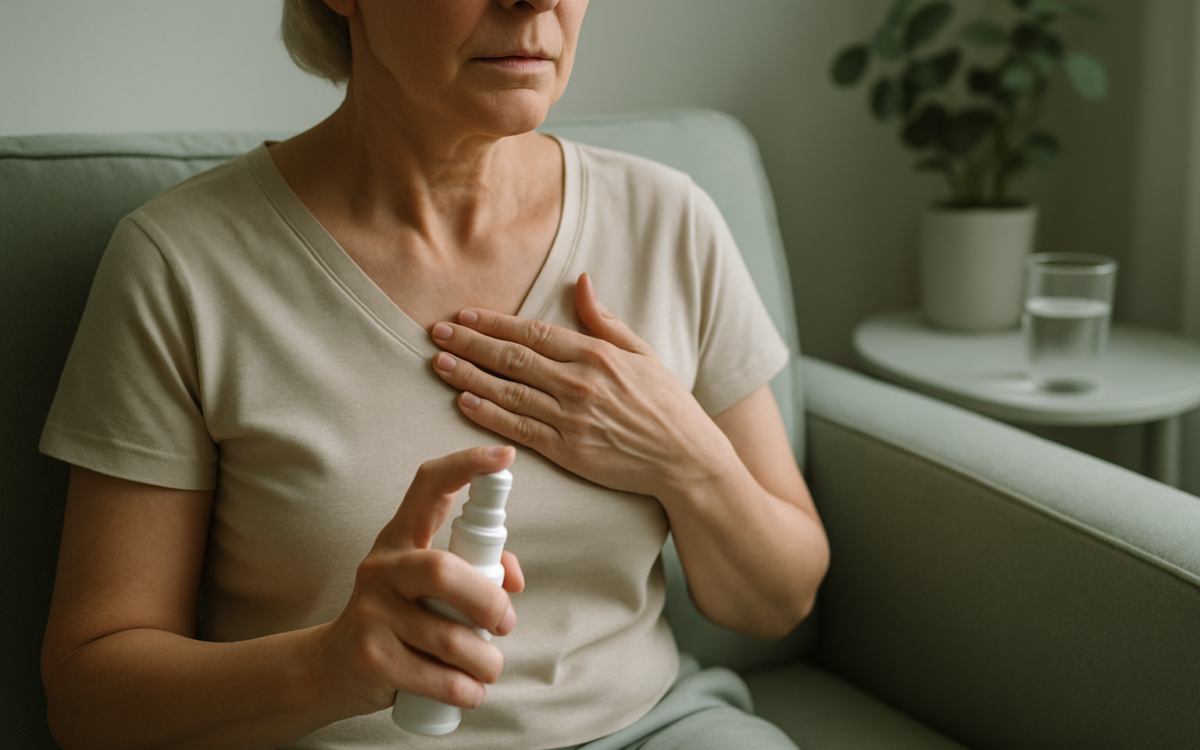
Hot flashes are often one of the most challenging symptoms women experience during menopause. These sudden feelings of heat can cause discomfort and interrupt daily activities. Fortunately, there are various natural strategies to help reduce hot flashes and make this transition smoother. Whether through dietary adjustments, lifestyle changes, or alternative remedies, you can take steps towards relief.
Understanding Hot Flashes
Hot flashes are sudden feeling of warmth, often accompanied by sweating and flushing. They happen due to hormonal changes in the body, particularly a decrease in estrogen levels. While they are most commonly associated with menopause, factors such as stress, diet, and certain medical conditions can also contribute to these episodes. Understanding the triggers can help you better manage and reduce their frequency.
Dietary Changes that May Help
What you eat can have a significant impact on how often and intensely you experience hot flashes. Here are some dietary adjustments that may help reduce their occurrence:
- Increase Phytoestrogens: Foods like soybeans, flaxseeds, and lentils contain plant-based compounds that mimic estrogen. Incorporating these into your meals may balance hormone levels.
- Stay Hydrated: Drinking plenty of water helps regulate body temperature and combat the overheating that often leads to hot flashes. Aim for at least eight 8-ounce glasses a day.
- Avoid Triggers: Hot beverages, caffeine, alcohol, and spicy foods can trigger hot flashes in some women. Keeping a food diary to identify your specific triggers can be very helpful.
The Role of Exercise
Regular exercise is beneficial for many aspects of health, including managing hot flashes. Engaging in physical activity can help regulate hormones, improve mood, and maintain a healthy weight. Here are some exercise tips:
- Cardiovascular Activities: Activities like walking, jogging, cycling, or swimming can promote circulation and may help lessen hot flashes.
- Relaxation Techniques: Yoga, tai chi, and Pilates not only enhance flexibility and strength but also promote relaxation, potentially reducing stress-induced hot flashes.
Stress Management Techniques
Stress can be a trigger for hot flashes, so managing it is crucial. Here are a few techniques to help mitigate stress:
- Meditation and Mindfulness: Practicing mindfulness or meditation can help calm the mind and reduce stress levels. Even a few minutes a day can make a difference.
- Deep Breathing Exercises: Deep breathing can help you center yourself and alleviate feelings of anxiety, which may reduce the frequency of hot flashes.
Alternative Remedies to Consider
There are several alternative remedies that some women find beneficial for hot flash relief:
- Acupuncture: Some studies suggest that acupuncture may help reduce the frequency and intensity of hot flashes. This traditional Chinese practice involves inserting thin needles into specific points on the body.
- Herbal Supplements: Certain herbs, such as evening primrose oil, black cohosh, and red clover, are often used to help alleviate menopausal symptoms. It’s essential to discuss these with your healthcare provider before starting any new supplements.
Creating a Comfortable Environment
Taking steps to ensure your living and working spaces are comfortable can also help manage hot flashes. Here are a few tips:
- Dress in Layers: Wearing layers can help you regulate your body temperature more easily. Remove clothing when you feel hot and add layers when you’re cool.
- Use Fans or Cooling Products: Keeping a fan nearby, using cooling gel pillows, or wearing moisture-wicking clothing may provide relief during hot flashes.
- Maintain a Cool Room Temperature: Keeping your home cool can help prevent overheating. Consider air conditioning or using portable fans.
When to See a Doctor
If you find hot flashes are severely disrupting your life or if they are accompanied by other concerning symptoms, it’s essential to consult a healthcare provider. They can help determine if there are any underlying issues and discuss various treatment options with you. Resources like the National Institutes of Health and the Mayo Clinic offer valuable information for managing menopause-related symptoms.
In conclusion, while hot flashes can be bothersome, implementing lifestyle changes and considering alternative therapies can significantly help reduce their frequency and intensity. By making informed choices about diet, exercise, and relaxation, you can navigate this stage of life with greater ease and comfort.
