
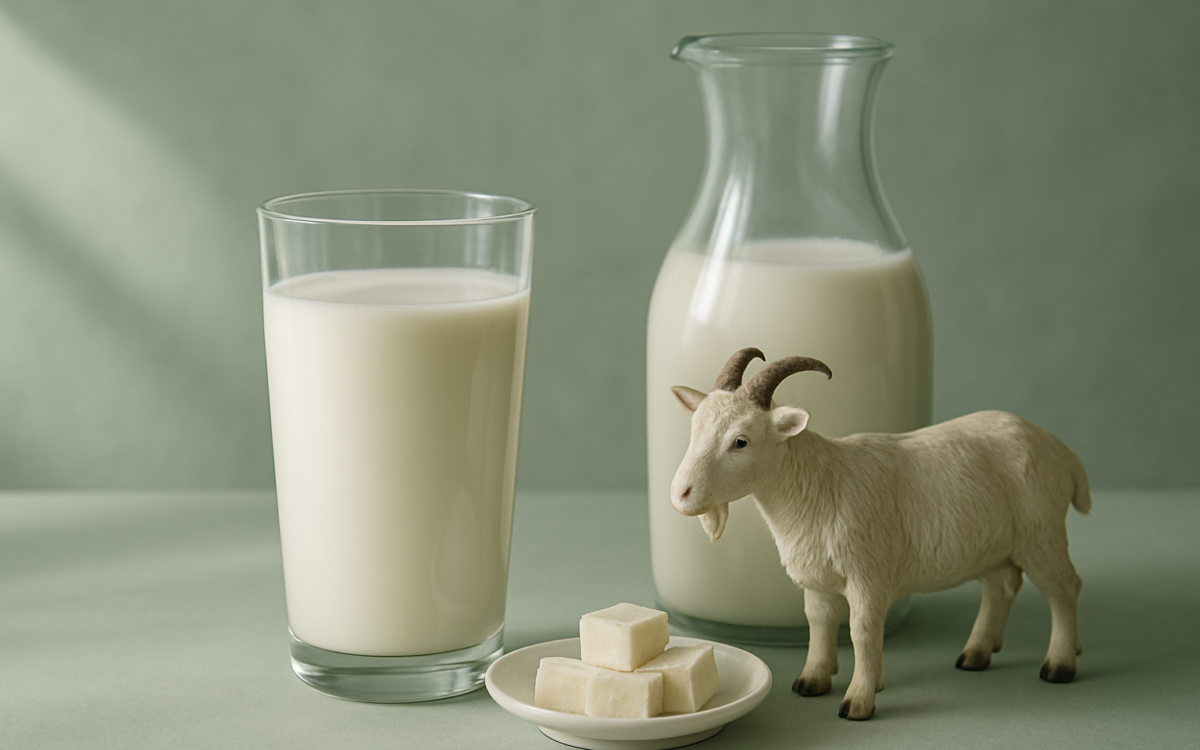
Many people who are lactose intolerant often seek alternatives to traditional cow’s milk. Goat milk frequently comes up as a potential substitute, igniting questions about its nutritional profile and lactose content. In this article, we will explore whether goat milk contains lactose, how it compares to cow’s milk, and what benefits it may offer.
Understanding lactose
Lactose is a natural sugar found in milk and dairy products. It’s made up of two simpler sugars: glucose and galactose. To digest lactose, your body requires an enzyme called lactase. If you don’t produce enough lactase, lactose can cause discomfort, leading to symptoms like bloating, gas, and diarrhea. This condition is known as lactose intolerance.
Does goat milk contain lactose?
Yes, goat milk does contain lactose, but typically in a lower amount than cow’s milk. On average, goat milk has about 4.1 grams of lactose per 100 milliliters, compared to approximately 4.7 grams in cow’s milk. While the difference may seem small, some people with lactose intolerance find that they can digest goat milk better than cow’s milk due to its unique fat structure and protein composition.
Why some people tolerate goat milk better
There are a few reasons why some individuals with lactose intolerance may find goat milk easier to digest:
- Fat globule size: Goat milk has smaller fat globules, which can lead to more efficient digestion.
- Protein differences: The protein structure in goat milk is different from that in cow’s milk, which can lead to less inflammatory responses for some individuals.
- Potential fermentation: Goat milk is often fermented into yogurt or kefir, which can reduce lactose levels even further, making it easier for those who struggle with dairy.
Nutritional benefits of goat milk
In addition to having lower lactose levels, goat milk offers several nutritional benefits:
- Rich in vitamins: Goat milk is a good source of vitamins A and D, along with several B vitamins.
- Mineral content: It is also high in calcium, phosphorus, and potassium, which contribute to bone health and overall wellness.
- Digestibility: The protein and fat in goat milk can be easier to digest for some people, potentially reducing digestive discomfort.
Goat milk alternatives
If you are considering adding goat milk to your diet, it’s important to note the variety of options available. Goat milk can be found in several forms, including:
- Fresh liquid goat milk: This can be found in many grocery stores or health food stores.
- Goat milk yogurt: A slightly tangy alternative that may be easier to digest.
- Goat cheese: Available in many varieties and can be a great addition to salads and sandwiches.
- Powdered goat milk: A convenient option for baking or cooking.
When trying goat milk for the first time, consider starting with small amounts to see how your body reacts. This is particularly important if you have a known lactose intolerance.
Consult your doctor
While goat milk may be a suitable alternative for some, it’s essential to consult with a healthcare professional if you have concerns about lactose intolerance or dietary changes. Every individual’s tolerance and nutritional needs are unique. A doctor or registered dietitian can help provide personalized guidance and determine what works best for your health.
When to see a doctor
If you often experience digestive discomfort after consuming dairy products, it might be a good idea to consult a doctor. They can evaluate your symptoms and potentially offer tests to determine the cause. Symptoms of lactose intolerance can vary in severity and might require dietary adjustments.
Conclusion
In summary, goat milk does contain lactose, though typically at lower levels compared to cow’s milk. For some individuals with lactose intolerance, goat milk can be a more tolerable option due to its unique composition. If you’re thinking about incorporating goat milk into your diet, do so carefully and consult a healthcare professional for personalized advice. Understanding your body’s needs can help you make informed dietary choices that promote your health and wellness.
