
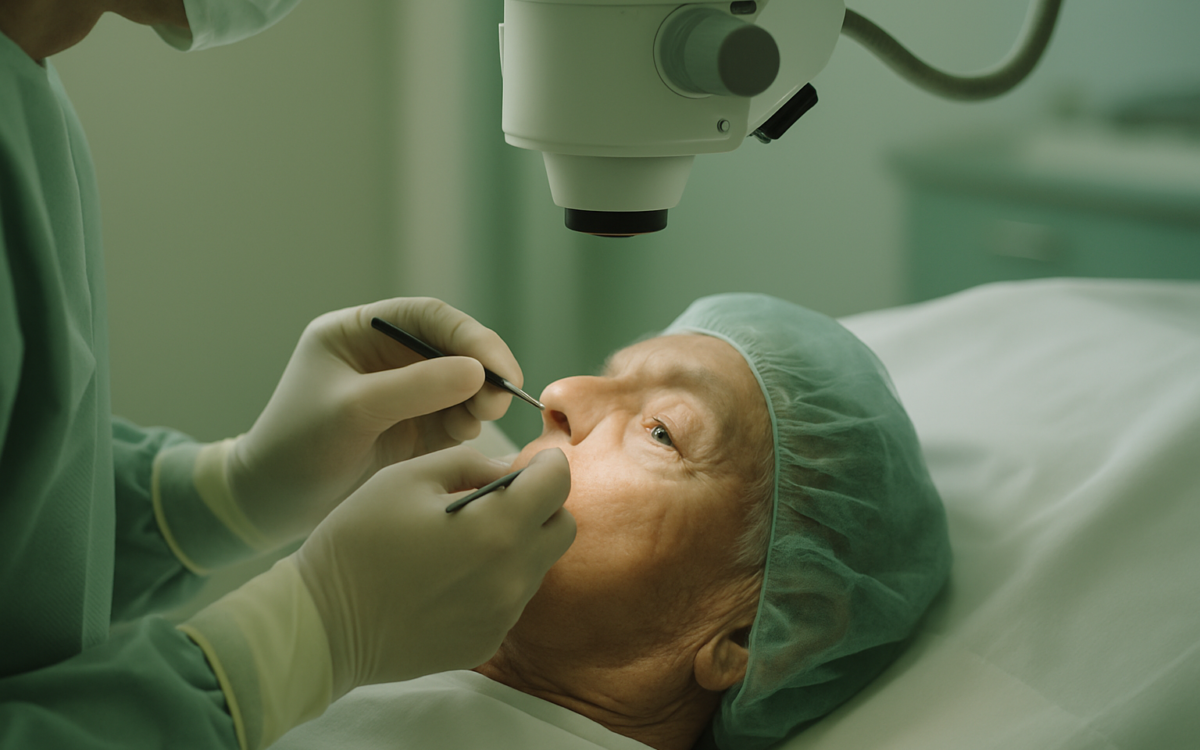
Cataracts are a common cause of blurry vision, especially as we age. When the natural lens of the eye becomes cloudy, it can affect how we see the world around us. Fortunately, cataract surgery is a safe and effective way to restore clarity and improve vision. Understanding how the surgery works, what to expect during recovery, and its potential outcomes can empower you to make informed decisions about your eye health.
What is cataract surgery?
Cataract surgery is a procedure that involves removing the cloudy lens from the eye and replacing it with an artificial lens, known as an intraocular lens (IOL). This outpatient procedure is typically performed under local anesthesia, meaning you’ll be awake but relaxed during the operation. The surgery usually takes less than an hour, and most people can go home shortly after.
Does cataract surgery correct vision?
Yes, cataract surgery often leads to significant improvements in vision. Studies show that over 90% of patients experience better vision following the procedure. Most people find that their eyesight is sharper, brighter, and more colorful after surgery, which allows them to resume daily activities, such as reading, driving, and enjoying hobbies.
Factors that influence vision correction
While cataract surgery is effective for many, the extent of vision correction can depend on several factors, including:
- Severity of the cataract: The more advanced the cataract, the more likely you’ll notice a significant improvement in vision post-surgery.
- Overall eye health: Conditions like macular degeneration or diabetic retinopathy can affect your visual outcome.
- Age: Younger patients may have better overall visual recovery compared to older individuals, who may have more pre-existing conditions affecting their eyesight.
What to expect during cataract surgery
Understanding what happens during the surgery can help ease any anxiety you may have. Here’s a quick rundown:
- Preparation: You will receive instructions from your eye care team on how to prepare for the surgery, including any medications you may need.
- The procedure: The surgeon will create a small incision in your eye, remove the cloudy lens, and insert the new IOL.
- Recovery: Although surgery is quick, proper aftercare is crucial. You’ll likely be given eye drops to promote healing and prevent infection.
Recovery and aftercare
Most patients notice an improvement in their vision in the days following the surgery. However, it’s important to follow your doctor’s instructions for aftercare. Here are some common recommendations:
- Rest your eyes, especially in the first 24 hours.
- Avoid strenuous activities, including lifting heavy objects or engaging in sports.
- Wear sunglasses when outdoors to protect your eyes from sunlight or bright lights.
- Attend follow-up appointments to monitor your recovery.
Common risks and complications
While cataract surgery is considered safe, like any medical procedure, it comes with some risks. Possible complications include:
- Infection
- Swelling in the cornea
- Retinal detachment
Most complications are rare and treatable, but it’s essential to discuss these risks with your surgeon. They can provide information tailored to your specific situation.
Long-term outcomes and expectations
In most cases, patients experience stable vision for many years after cataract surgery. However, some may develop cataracts in the other eye, or experience other vision-related issues as they age. Regular eye exams are essential, allowing your healthcare provider to monitor your eye health and recommend any necessary adjustments to your vision correction plan.
When to see a doctor
If you notice any sudden changes in your vision, increased pain, or discomfort after surgery, consult your eye doctor immediately. It’s important to address any concerns; early intervention can help mitigate complications and enhance recovery.
In conclusion, cataract surgery can significantly correct vision affected by cataracts, helping many individuals regain a clearer view of the world. By understanding the procedure, recovery, and potential outcomes, you can approach this important step in eye care with confidence and optimism. For more information on cataract surgery and related topics, consult reputable sources like the NIH or the Mayo Clinic.
