
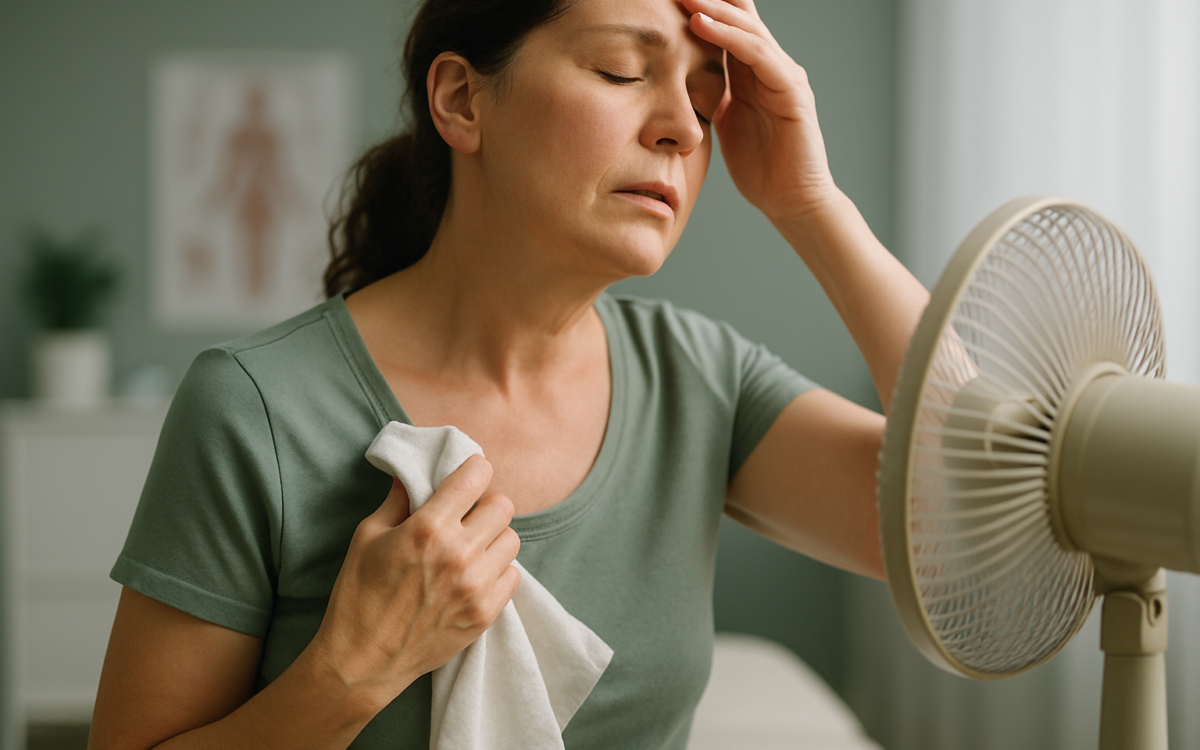
Hot flashes are a common experience for many women during menopause, often causing surprise and discomfort. Recognizing the signs of hot flashes can be vital for managing this natural change, allowing women to prepare and take steps to feel more comfortable. In this article, we will explore the symptoms, triggers, and ways to cope with hot flashes.
What Are Hot Flashes?
Hot flashes are sudden feelings of warmth, often intense, that can spread throughout the body. They are primarily linked to the hormonal changes that occur during menopause. In essence, these flashes are a result of a decrease in estrogen levels, which can alter the body’s temperature regulation.
Common Signs of Hot Flashes
The symptoms of hot flashes can vary from woman to woman. However, there are several common signs to look out for:
- Sudden Warmth: Hot flashes typically start with a sudden feeling of heat, usually in the face, neck, or chest.
- Flushing of the Skin: The sudden warmth can cause the skin to redden, similar to blushing.
- Profuse Sweating: Many women experience sweating during a hot flash, leading to discomfort and sometimes nighttime awakenings.
- Chills: After the heat subsides, some women may feel cold, as the body cools down from the sweaty episode.
- Increased Heart Rate: Heart palpitations or an increased heartbeat can accompany hot flashes.
- Anxiety or Irritability: The sudden onset of a hot flash can also trigger feelings of anxiety or irritability.
Timing and Frequency of Hot Flashes
Hot flashes may happen at any time of the day or night, and their frequency can vary widely. Some women find they experience hot flashes several times a day, while others may have them infrequently. According to the National Institutes of Health (NIH), the duration and number of hot flashes can also change over time, often peaking in the first few years of menopause.
Factors That Trigger Hot Flashes
Several factors can trigger hot flashes, making it beneficial to identify personal triggers. These may include:
- Heat: Warm weather or heated environments can exacerbate hot flashes.
- Stress: Emotional stress or anxiety can trigger an episode.
- Certain Foods: Spicy foods, caffeine, and alcohol may lead to increased hot flashes for some women.
- Smoking: Research indicates that smoking can increase the frequency and intensity of hot flashes.
Managing Hot Flashes
While there is no one-size-fits-all solution to reduce hot flashes, several strategies may help alleviate their intensity and frequency:
- Lifestyle Changes: Incorporating regular exercise, maintaining a healthy diet, and reducing stress may lessen symptoms.
- Cooling Techniques: Dressing in layers, keeping cold water nearby, and using fans can provide relief during an episode.
- Medications: Hormone therapy or non-hormonal medications prescribed by a doctor may be effective in managing symptoms.
- Alternative Therapies: Some women find relief through acupuncture or herbal supplements, although these should be discussed with a healthcare provider.
Emotional Impact and Support
Hot flashes can take an emotional toll on women, impacting their quality of life. Feelings of frustration, anxiety, or embarrassment are common. Connecting with friends, support groups, or mental health professionals can provide reassurance and strategies to cope with these changes.
When to See a Doctor
If hot flashes become severe, disrupt daily life, or are accompanied by other concerning symptoms—such as heavy bleeding or severe mood changes—it may be time to consult a healthcare provider. They can help evaluate symptoms and suggest suitable treatments. The World Health Organization (WHO) recommends women seek guidance to navigate menopause effectively.
In summary, recognizing the signs of hot flashes is the first step in managing their effects during menopause. By understanding their symptoms, triggers, and coping mechanisms, women can find ways to lessen the impact of this natural transition.
