
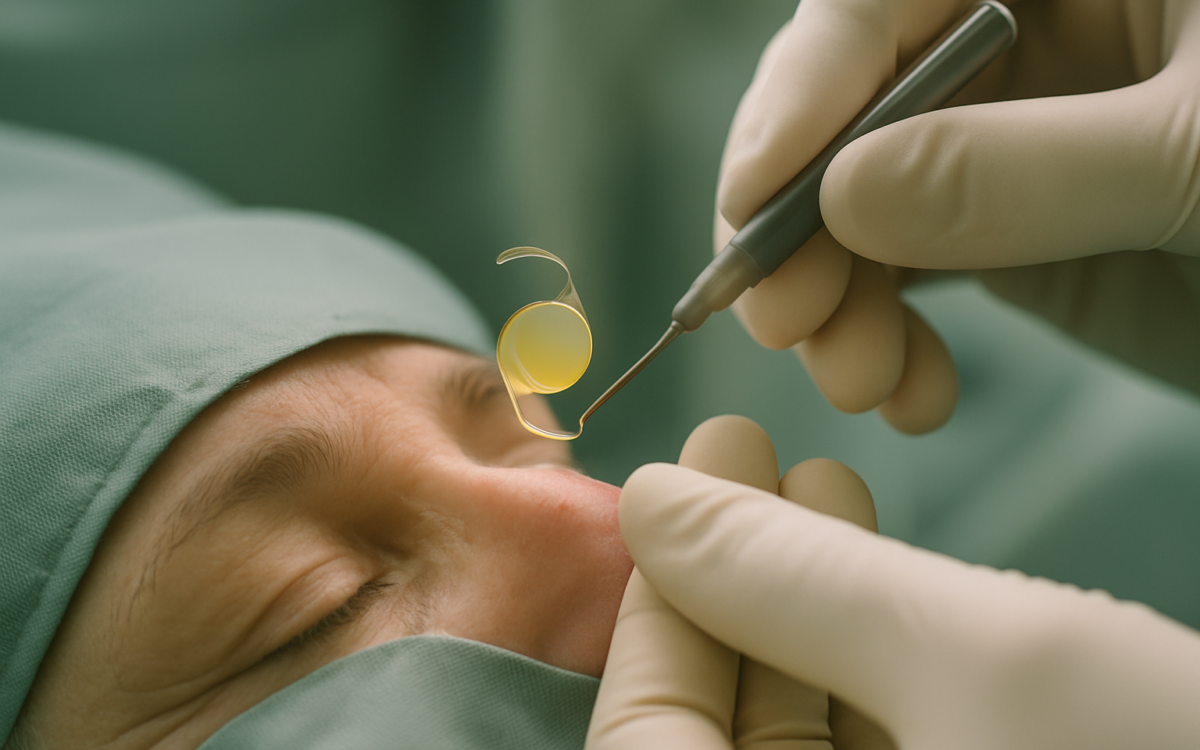
Cataracts are a common eye condition that affects millions of people worldwide, leading to cloudy vision and difficulty seeing clearly. Fortunately, cataract surgery has a high success rate and can restore vision effectively. One of the essential components of this surgery is the use of intraocular lenses (IOLs). In this article, we will explore what IOLs are, how they work, the different types available, their benefits, and what to expect during and after the surgery.
What Are Intraocular Lenses?
Intraocular lenses are clear plastic lenses that are implanted in the eye during cataract surgery. When the clouded lens is removed, an IOL takes its place, helping to focus light on the retina, which is crucial for clear vision. IOLs are designed to remain in the eye permanently and are made of materials that are biocompatible, meaning they are safe for the body.
Types of Intraocular Lenses
There are several types of intraocular lenses, each designed to meet the needs of different patients:
- Monofocal Lenses: These are the most commonly used IOLs. They provide clear vision at one distance (either near, intermediate, or far). Many patients choose to have monofocal lenses aimed at distance vision, which may still require reading glasses.
- Multifocal Lenses: Multifocal IOLs are designed to provide good vision at multiple distances, reducing the need for glasses for most activities. Patients may experience some visual disturbances as they adjust to these lenses.
- Toric Lenses: For those with astigmatism, toric lenses can help correct this condition, providing better overall vision quality.
- Accommodating Lenses: This type of lens can move slightly within the eye to focus on objects at different distances, simulating more natural vision.
Benefits of Intraocular Lenses
One of the significant advantages of IOLs is their ability to restore vision effectively. Patients often report significantly improved vision quality, allowing them to return to their daily activities with greater ease. Here are some benefits:
- Quick Recovery: Most patients experience a quick recovery time after cataract surgery. Many can see well shortly after the procedure, often the same day.
- Long-lasting Solution: IOLs are designed to be a permanent solution for vision correction, meaning patients won’t need to replace them.
- Reduced Dependence on Glasses: Depending on the type of IOL chosen, patients may find they need glasses less often or not at all.
What to Expect During Cataract Surgery
Understanding the process of cataract surgery can help alleviate any concerns. The procedure is typically performed on an outpatient basis and lasts about 15-30 minutes. Here’s a brief overview of what happens:
- Anesthesia: Eye drops or a mild sedative will be provided to keep you comfortable during the surgery.
- Removal of the Cataract: The surgeon makes a small incision in the eye and uses ultrasound waves to break up the cloudy lens, which is then suctioned out.
- Implantation of the IOL: After the cataract is removed, the new IOL is inserted through the same incision.
Post-surgery, patients are typically advised to rest and avoid strenuous activities. Your doctor will schedule follow-up appointments to monitor healing and ensure proper vision recovery.
Potential Risks and Complications
While cataract surgery is generally safe, there are risks associated with any surgical procedure. Some potential complications include:
- Infection or inflammation
- Inability to fully correct vision
- Development of secondary cataracts
- Retinal detachment (rare)
Discussing these risks with your eye doctor prior to surgery is essential for making an informed decision.
Post-Operative Care and Vision Adjustment
After surgery, it’s common to have fluctuations in vision as your eyes adjust to the new lens. This adjustment period can vary from person to person. Here are some tips for post-operative care:
- Follow your doctor’s instructions regarding eye drops and medications.
- Avoid touching or rubbing your eyes, especially in the first few days post-surgery.
- Attend all follow-up appointments to monitor your recovery.
Many patients notice a significant improvement in their vision within a few days to weeks after surgery. It’s essential to remain patient as your eyes heal.
When to See a Doctor
If you experience any concerning symptoms after your cataract surgery, such as increased pain, redness, or changes in vision, contact your eye doctor promptly. It’s essential to monitor your recovery closely.
Intraocular lenses have transformed cataract surgery, providing a pathway to clearer vision and improved quality of life for countless individuals. With a variety of options available, discussing your needs with your eye care professional can help determine the best lens for your lifestyle.
For further information, the NIH and the Mayo Clinic have extensive resources on cataract surgery and intraocular lenses.
