
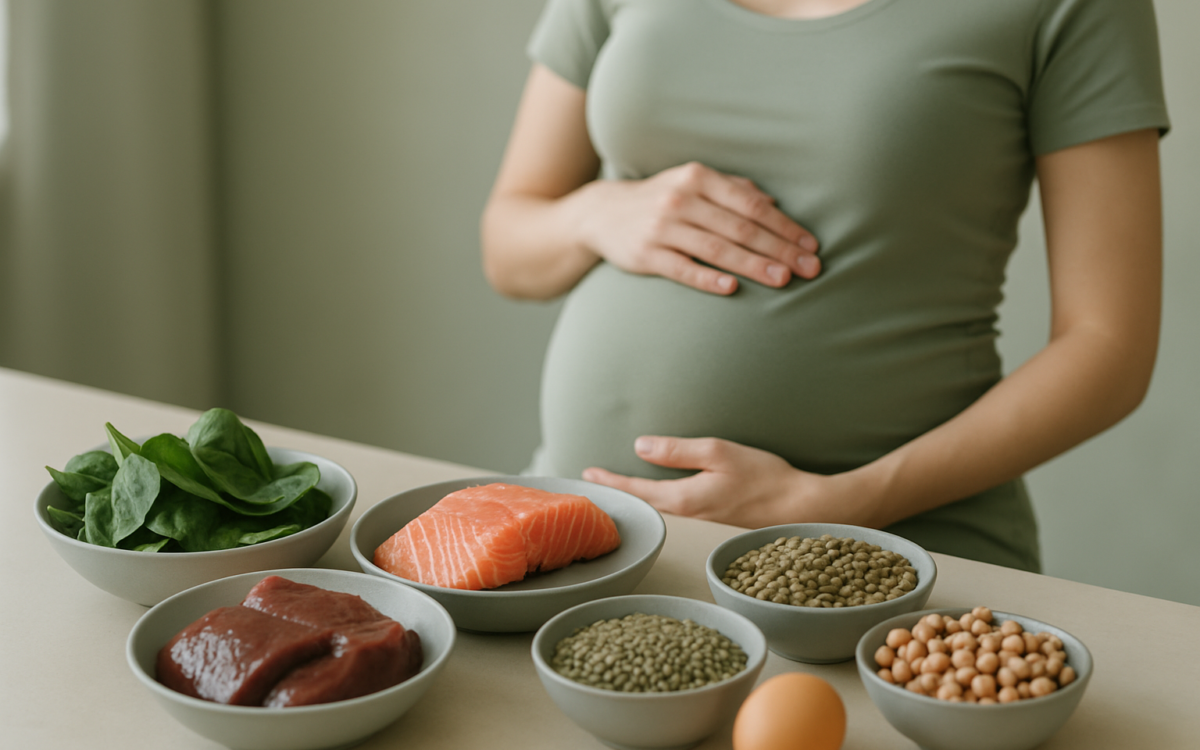
During pregnancy, a woman’s body undergoes many changes, and iron is one of the key nutrients needed to support both the mother and the developing baby. Adequate iron levels are essential for producing hemoglobin, the protein in red blood cells that carries oxygen to the body’s tissues. Pregnant women are at a higher risk of iron deficiency, which can lead to complications such as anemia. This article explores various iron-rich foods that can enhance your diet during pregnancy and contribute to a healthier experience.
Why is iron important during pregnancy?
Iron plays a crucial role in pregnancy for several reasons:
- Increased blood volume: During pregnancy, blood volume increases to supply oxygen and nutrients to the developing fetus. This requires more iron to produce additional hemoglobin.
- Fetal growth: Your growing baby needs iron for its development, especially for brain growth and overall bodily functions.
- Preventing fatigue: Low iron levels can lead to fatigue, leaving expectant mothers feeling tired and drained, which can affect daily activities.
The recommended dietary allowance (RDA) of iron for pregnant women is about 27 mg per day, significantly higher than the amount needed for non-pregnant women. Meeting this requirement through your diet is essential for you and your baby’s health.
Top food sources of iron
Iron comes in two forms: heme and non-heme iron. Heme iron, found in animal products, is absorbed more efficiently by the body than non-heme iron, which is found in plant-based foods. Here are some great food sources of iron:
1. Red meat
Lean cuts of beef, lamb, and pork are excellent sources of heme iron. A 3-ounce serving of beef can provide around 2.1-2.7 mg of iron.
2. Poultry
Chicken and turkey also provide heme iron, especially dark meat. A serving of skinless chicken breast contains about 0.9 mg of iron.
3. Fish and shellfish
Seafood, such as oysters and sardines, is packed with heme iron. A 3-ounce serving of cooked oysters can offer up to 8 mg of iron.
4. Plant-based sources
For those preferring vegetarian or vegan options, several plant-based foods are rich in non-heme iron:
- Legumes: Lentils, chickpeas, and beans are fantastic sources. One cup of cooked lentils provides about 6.6 mg of iron.
- Leafy greens: Spinach, kale, and Swiss chard are nutrient-dense and contain iron. One cup of cooked spinach has around 6.4 mg of iron.
- Tofu: A great protein source for vegetarians, tofu offers about 3.4 mg of iron per half-cup serving.
- Seeds and nuts: Pumpkin seeds, hemp seeds, and cashews are excellent for snacking. Two tablespoons of pumpkin seeds provide roughly 2.5 mg of iron.
Enhancing iron absorption
While including iron-rich foods in your diet is vital, it’s also important to maximize iron absorption. Here are some tips:
- Pair iron with vitamin C: Consuming foods high in vitamin C can enhance the absorption of non-heme iron. For example, have spinach with a side of orange slices or pair beans with bell peppers.
- Avoid calcium while eating iron: Calcium can interfere with iron absorption. Try spacing out calcium-rich foods or supplements from your iron intake.
- Limit certain beverages: Tea and coffee contain tannins that can inhibit iron absorption. It may be best to avoid these beverages during meals.
For an international perspective on pregnancy nutrition and treatment, consider visiting acibademinternational.com for additional resources and information.
When to consider supplements
If you’re struggling to meet your iron needs through diet alone, iron supplements may be necessary. It’s important to consult with your healthcare provider to determine if supplements are right for you. Over-supplementation can lead to side effects, so professional guidance is crucial.
When to see a doctor
If you experience symptoms such as fatigue, weakness, dizziness, or shortness of breath, it may be a sign of low iron levels or anemia. Contact your healthcare provider if you notice any of these symptoms or if you have concerns about your iron intake during pregnancy. Regular checks of hemoglobin levels are often advised during prenatal visits.
Conclusion
Maintaining adequate iron levels during pregnancy is essential for both the mother’s health and the baby’s development. Incorporating a variety of iron-rich foods into your diet can help meet the increased demand for this vital nutrient. By understanding the best sources of iron and how to enhance iron absorption, you can take proactive steps toward a healthy pregnancy.
