
Gingivitis is a common yet often overlooked oral health issue. It’s the inflammation of the gums, typically characterized by redness, swelling, and bleeding. While it’s not a serious condition in its early stages, if left untreated, it can progress to more severe gum diseases such as periodontitis. One question many people ponder is whether gingivitis is transmittable. Understanding this is crucial for effective oral health management and preventing gum disease.
The Nature of Gingivitis
Gingivitis usually results from plaque build-up on teeth, which contains harmful bacteria. When plaque is not removed through regular brushing and flossing, it can irritate the gums, leading to inflammation. Most cases of gingivitis stem from poor oral hygiene practices and can often be reversed with good dental care.
Transmission of Gingivitis
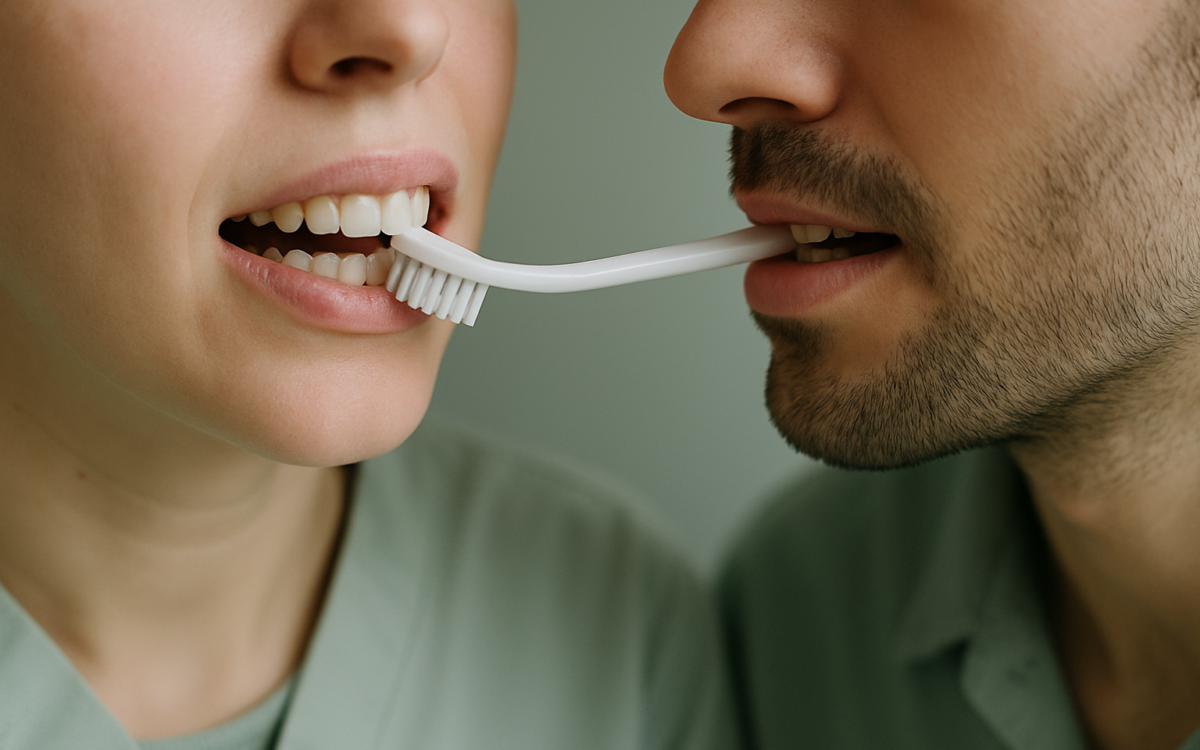
To address the primary question—no, gingivitis itself is not directly transmittable from one person to another. The bacteria that cause gingivitis can be spread through close contact, such as kissing or sharing eating utensils, but this does not guarantee that someone will develop gingivitis. Other factors, like individual oral hygiene, immune response, and overall health, play a significant role in its development.
Understanding Oral Bacteria
Our mouths are home to a diverse range of bacteria, some of which contribute to dental health while others can lead to infections and diseases like gingivitis. When we have close contact with others, we may exchange bacteria. However, the mere presence of harmful bacteria does not mean it will cause gum disease in everyone. Each person’s body has its unique response to these bacteria.
Risk Factors for Developing Gingivitis
Although gingivitis is not contagious, several risk factors can increase the likelihood of developing the condition. Some of these include:
- Poor oral hygiene: Inadequate brushing and flossing increase plaque accumulation.
- Smoking and tobacco use: Tobacco products can impair gum health and strengthen the bacteria present in the mouth.
- Hormonal changes: Changes occurring during puberty, menstruation, pregnancy, and menopause can make gums more susceptible to inflammation.
- Medical conditions: Diseases like diabetes can impair blood flow to the gums, making them more vulnerable to infections.
- Age: Older adults often face a higher risk of developing gum disease.
- Certain medications: Some drugs may reduce saliva flow, which helps protect against bacteria.
International Perspectives on Gingivitis Treatment
Understanding and treating gingivitis is important worldwide. Many countries have different approaches to dental care, access to treatments, and public awareness campaigns aimed at improving oral health. For those seeking advanced treatments or specialized care, institutions like Acibadem International provide comprehensive dental services. These facilities often emphasize preventive care and can offer insights into the latest treatments and technologies.
Prevention Strategies
Preventing gingivitis is mostly a matter of maintaining good oral hygiene. Here are some effective strategies:
- Regular brushing: Brush your teeth at least twice a day with fluoride toothpaste.
- Flossing: Daily flossing helps remove plaque between teeth where brushes can’t reach.
- Routine dental check-ups: Regular visits to your dentist can help prevent gingivitis and other dental issues.
- A balanced diet: Eat a diet rich in vitamins and nutrients that promote gum health, such as Vitamin C.
- Quit smoking: If you smoke, seek help to quit, as this can significantly improve your gum health.
When to See a Doctor
If you notice any signs of gingivitis, such as swollen or bleeding gums, it’s essential to consult with your dentist. Early diagnosis and treatment can prevent the condition from worsening and leading to more severe gum diseases.
Conclusion
Gingivitis is a prevalent oral condition, but it is not transmittable like a typical infection. While it’s essential to maintain good oral hygiene to prevent gingivitis, being aware of other contributing factors is equally crucial. By understanding these principles, you can promote better oral health for yourself and those around you.
