
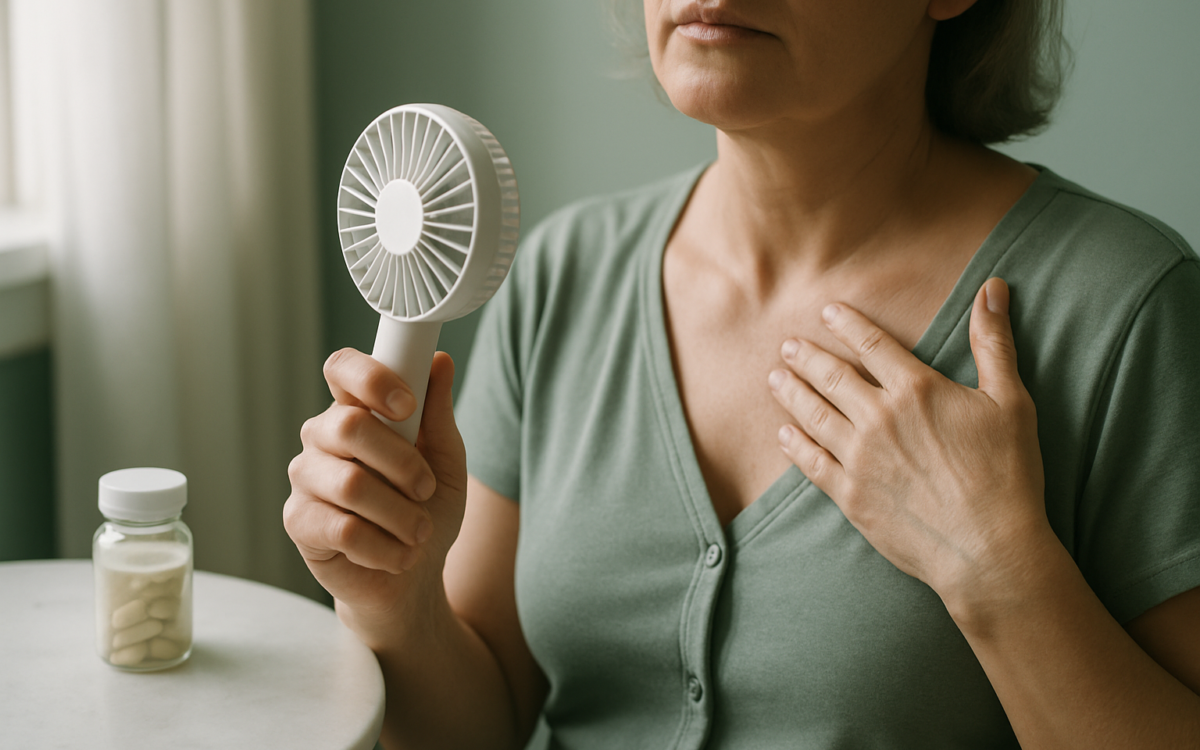
Hot flashes are a common and often uncomfortable symptom experienced during menopause. These sudden feelings of heat, often accompanied by sweating and an increased heart rate, can be disruptive and distressing. While hot flashes are typical as hormone levels fluctuate, many women seek effective ways to find relief. In this article, we will explore various strategies to manage hot flashes and improve your comfort during this transitional phase of life.
Understanding Hot Flashes
Hot flashes occur due to changes in hormone levels, primarily the decrease in estrogen that occurs during menopause. These changes can trigger the body’s temperature regulation system, leading to sudden warmth, sweating, and even chills. While hot flashes are most commonly associated with menopause, they can also occur due to certain medical conditions or treatments, such as cancer therapies.
Lifestyle Modifications for Relief
Making certain adjustments in your daily routine can help reduce the frequency and intensity of hot flashes:
- Stay Cool: Dress in layers so you can easily adjust to temperature changes. Use light, breathable fabrics like cotton that wick away moisture.
- Avoid Triggers: Pay attention to factors that may exacerbate hot flashes, such as spicy foods, alcohol, caffeine, and stress. Keeping a journal can help identify your personal triggers.
- Regular Exercise: Engaging in regular physical activity can improve your overall well-being and reduce the severity of hot flashes. Aim for at least 30 minutes of moderate exercise most days of the week.
- Mind-Body Techniques: Practices like yoga, meditation, and deep-breathing exercises can help manage stress and may alleviate the intensity of hot flashes.
Dietary Changes That May Help
Your diet plays a crucial role in managing hot flashes. Consider incorporating the following foods and practices into your eating habits:
- Stay Hydrated: Drink plenty of water throughout the day. Staying hydrated can help regulate body temperature.
- Eat Phytoestrogens: Foods rich in phytoestrogens, such as tofu, flaxseeds, whole grains, and legumes, may mimic estrogen in the body and could alleviate hot flashes.
- Balanced Meals: Aim for balanced meals that include plenty of fruits, vegetables, whole grains, and healthy fats. This can support your overall health and hormonal balance.
Exploring Natural Remedies
While every woman’s experience with hot flashes is unique, some natural remedies may offer relief:
- Herbal Supplements: Certain herbs, such as black cohosh, red clover, and evening primrose oil, may be beneficial. However, it’s essential to consult with your healthcare provider before starting any supplements.
- Acupuncture: Some studies suggest that acupuncture may help reduce the frequency and severity of hot flashes. Finding a qualified practitioner can help ensure safe and effective treatment.
- Aromatherapy: Essential oils like peppermint, lavender, and sage can be soothing. Try using a diffuser or adding them to a warm bath.
Medical Treatments to Consider
If lifestyle changes and natural remedies are not enough to manage your hot flashes, there are medical options available:
- Hormone Replacement Therapy (HRT): HRT can be effective in alleviating hot flashes by restoring hormone levels. However, it’s essential to discuss potential risks and benefits with your doctor.
- Non-Hormonal Medications: Antidepressants, anticonvulsants, and certain blood pressure medications have been found to reduce hot flashes in some women.
Keeping a Hot Flash Diary
To better understand your hot flashes and what works for you, consider keeping a diary. Noting when hot flashes occur, their intensity, and any triggers you identify can help you and your healthcare provider devise an effective management plan.
When to See a Doctor
If hot flashes significantly disrupt your daily life or if you notice any sudden changes in your symptoms, it’s essential to consult a healthcare professional. They can help assess your situation, rule out other potential causes, and discuss appropriate treatment options.
Managing hot flashes can be a journey of trial and error, but with the right strategies in place, you can regain comfort and improve your quality of life during menopause. Remember to talk with your healthcare provider about any symptoms you experience and explore the best options for your individual needs. For more information on menopause and related health issues, visit reputable sources such as the NIH or the Mayo Clinic.
