
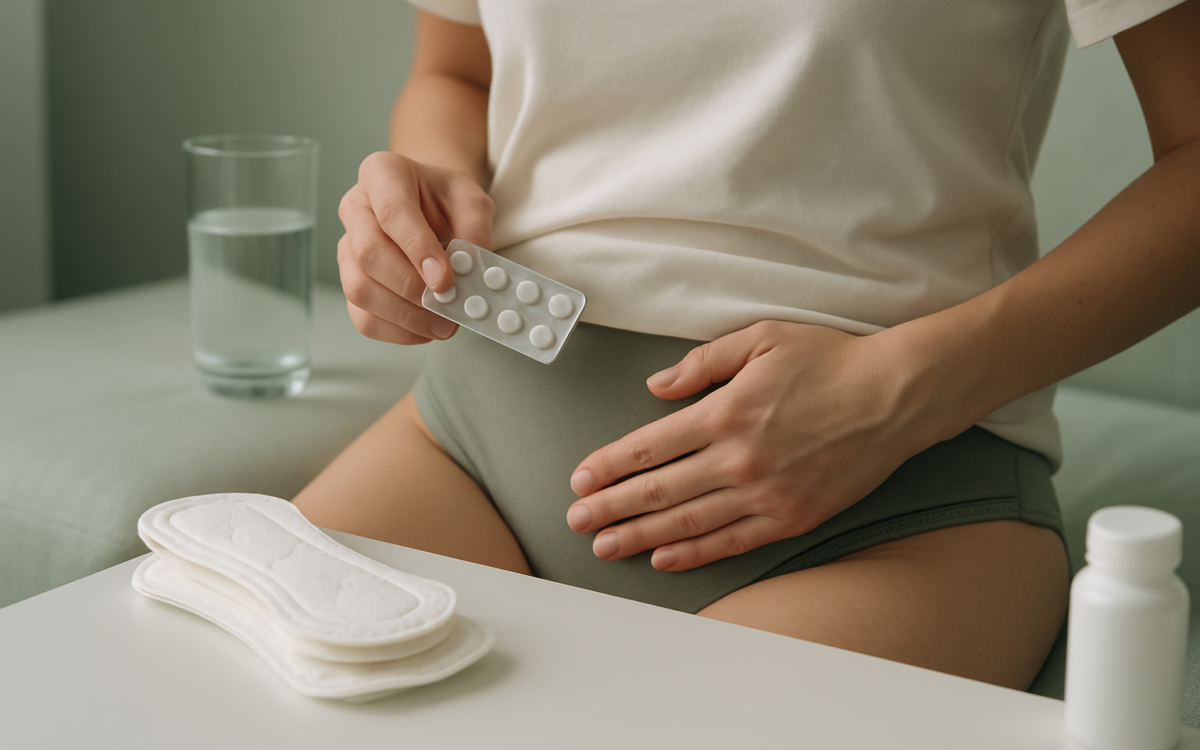
For many women, the menstrual cycle can feel like a predictable rhythm, but occasionally, it may not align with our plans. Whether you’re preparing for a special event or just eager to get on with your cycle, you might be wondering how to make your period come faster. There are several natural methods that some women have found helpful. Before trying these techniques, it’s essential to remember that everyone’s body is different, and not all methods work for everyone. Consult with your healthcare provider for personalized advice.
Understanding the Menstrual Cycle
The menstrual cycle typically lasts between 21 to 35 days, with an average length of about 28 days. It’s controlled by a complex interaction of hormones, primarily estrogen and progesterone. These hormones prepare the body for possible pregnancy. If pregnancy doesn’t occur, hormone levels drop, leading to your menstrual period. Since your cycle is influenced by various factors—stress, diet, and health—it’s helpful to first understand what might be affecting your menstrual regularity.
Dietary Changes to Consider
Modifying your diet can sometimes have an impact on your cycle. Here are a few dietary tips to explore:
- Increase Vitamin C: Some believe that foods rich in Vitamin C, like oranges and greens, can help increase estrogen levels and induce menstruation. A study suggests that high doses may stimulate the endometrium (the uterine lining), possibly leading to an earlier period.[source]
- Include Pineapple: Pineapple contains bromelain, an enzyme that may help soften the uterine lining and possibly trigger menstruation.
- Stay Hydrated: Dehydration can exacerbate hormonal imbalances. Drinking enough water can promote overall health and may help regulate your cycle.
Herbal Remedies and Supplements
Many women turn to herbal remedies to encourage their periods. While the effectiveness of these remedies varies, here are a few popular options:
- Ginger: Some studies suggest that ginger can enhance blood circulation and may stimulate the uterus, potentially helping to induce menstruation.
- Papaya: The fruit contains compounds that may lead to menstrual regulation. It’s believed that it helps stimulate contractions in the uterus.
- Turmeric: Often used in traditional medicine, turmeric may help in promoting menstrual flow due to its anti-inflammatory properties.
Before starting any herbal supplements, it’s a good idea to consult a healthcare provider, as some herbs can have interactions with medications or may not be suitable for everyone.
Physical Activity and Its Impact
Exercise can have a significant influence on your menstrual cycle. Here’s how being active may help:
- Regular Exercise: Engaging in regular physical activity can help regulate your menstrual cycle. However, excessive exercise can lead to missed periods, so find a balanced routine.
- Yoga and Stretching: Gentle yoga or stretching exercises may promote blood flow and relaxation, which might help bring on your period sooner.
Movement can help alleviate stress and balance hormonal levels, aiding the natural rhythm of your cycle.
Stress Reduction Techniques
Stress is a common factor that can delay your period. Implementing stress-reduction techniques can be beneficial:
- Mindfulness and Meditation: Techniques like meditation can help manage stress levels. Focusing on breathing and relaxation may positively influence your menstrual cycle.
- Deep Breathing Exercises: Practicing deep breathing can reduce tension and promote hormonal balance.
Integrating stress-reduction practices into your daily routine might help not just with your menstrual cycle but also with your overall well-being.
When to See a Doctor
While there are natural methods to potentially encourage your period to come faster, it’s essential to know when to consult a healthcare provider. If you experience any of the following:
- Your period is consistently irregular or absent without any apparent reasons.
- You have severe pain or discomfort accompanying your cycle.
- You’re experiencing changes in weight or other menstrual symptoms that concern you.
Consulting your doctor can help rule out any underlying health conditions and provide tailored guidance.
Conclusion
While there are various natural methods that some women believe can help make their period come faster, it’s vital to remain patient and understanding of your body’s natural rhythms. Consider lifestyle changes, dietary adjustments, exercise, and stress management techniques, but always prioritize your health. If you have concerns about your menstrual cycle, don’t hesitate to talk to your healthcare provider for the best course of action. Your well-being is important, and professional guidance can help you navigate your health effectively.
