
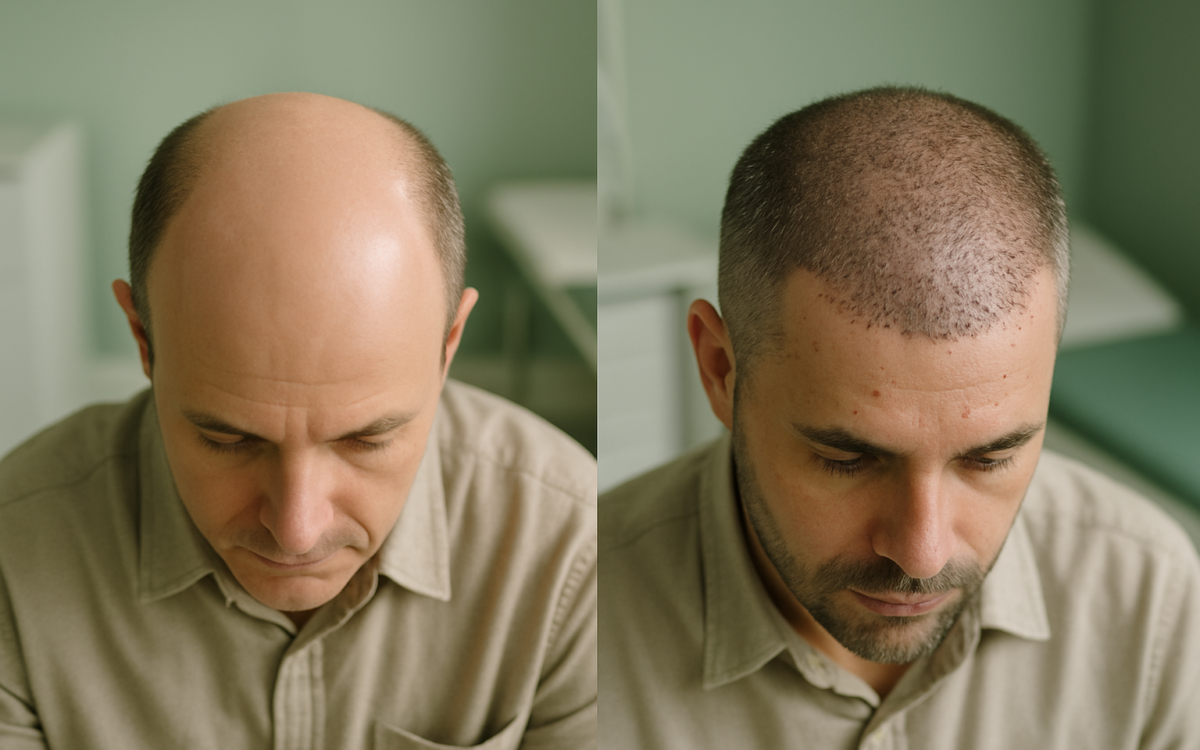
In recent years, hair transplants have become a sought-after solution for people struggling with hair loss. Whether due to genetics, age, or other factors, thinning hair can impact self-esteem and confidence. If you are considering a hair transplant, understanding the process before and after surgery can make a huge difference in your experience. This article will guide you through what you can expect before and after your hair transplant surgery.
What Is a Hair Transplant?
A hair transplant is a surgical procedure that involves moving hair follicles from one part of the body (usually the back or sides of the head) to areas with thinning or no hair. The most common techniques used in hair transplants today are Follicular Unit Extraction (FUE) and Follicular Unit Transplantation (FUT). Each method has its benefits and potential downsides, so discussing these options with your healthcare provider is essential.
Before the Surgery
Preparing for a hair transplant involves several key steps.
Consultation
Your journey starts with a consultation with a qualified dermatologist or hair restoration specialist. During this visit, you’ll discuss your hair loss history and any treatments you may have tried. The doctor will conduct a thorough examination of your scalp and determine if you are a good candidate for surgery. Make sure to ask questions and understand all the risks and benefits involved.
Pre-Surgery Instructions
Once you decide to proceed, your doctor will provide pre-surgery instructions, which may include:
- Avoiding blood thinners like aspirin and certain supplements.
- Quitting smoking at least a week before the procedure.
- Staying hydrated and eating healthily.
- Arranging for someone to drive you home after the surgery.
Following these instructions carefully can enhance your chances of a successful outcome.
During the Surgery
The hair transplant procedure typically lasts between 4 to 8 hours, depending on the number of grafts being transplanted. During the procedure, you will receive local anesthesia to ensure you’re comfortable and pain-free. Your surgeon will harvest healthy hair follicles and then carefully implant them into the thinning areas. While the process might take a while, taking breaks and staying engaged in light conversation can make the time pass more quickly.
After the Surgery
The recovery period is just as important as preparation. Here’s what to expect:
Initial Recovery
After the surgery, you may experience some swelling, redness, and discomfort at the transplant site. These symptoms are usually mild and can be managed with over-the-counter pain medications. Your doctor may also prescribe antibiotics to prevent infection.
Post-Operative Care
The key to a successful recovery lies in following your healthcare provider’s post-operative care instructions. Here are some common recommendations:
- Avoid soaking your hair for at least 48 hours.
- Keep the scalp clean and avoid vigorous scrubbing.
- Clothing: Wear loose-fitting clothes to avoid any accidental rubbing against the scalp.
- Limit physical activity for a few weeks to prevent excessive sweating and increase risk to the grafts.
What to Expect in the Following Months
Hair growth after a transplant is not immediate. In the initial months, it is common for transplanted hairs to fall out, a phase known as “shedding.” After a period, new hair will start to grow, usually noticeable within three to six months. Most patients will see significant results after about a year. Patience is key during this time.
Seeking International Treatment
If you’re considering options outside your home country, treatment in Turkey has become increasingly popular. Many clinics in Turkey offer competitive pricing, qualified professionals, and state-of-the-art technology. It’s essential to conduct thorough research and consult with professionals to ensure safety and quality care.
When to See a Doctor
If you notice any unusual symptoms during your recovery, such as severe pain, excessive bleeding, or signs of infection (like fever or pus), it’s important to contact your doctor immediately. Keeping an open line of communication with your healthcare provider is key to addressing any concerns that may arise.
Conclusion
A hair transplant can be an effective way to reclaim your hair and confidence. By understanding what to expect before and after the procedure, you can be better prepared for your journey. Always consult with your healthcare provider for personalized advice, and don’t hesitate to ask questions to ensure you’re making informed decisions every step of the way.
