
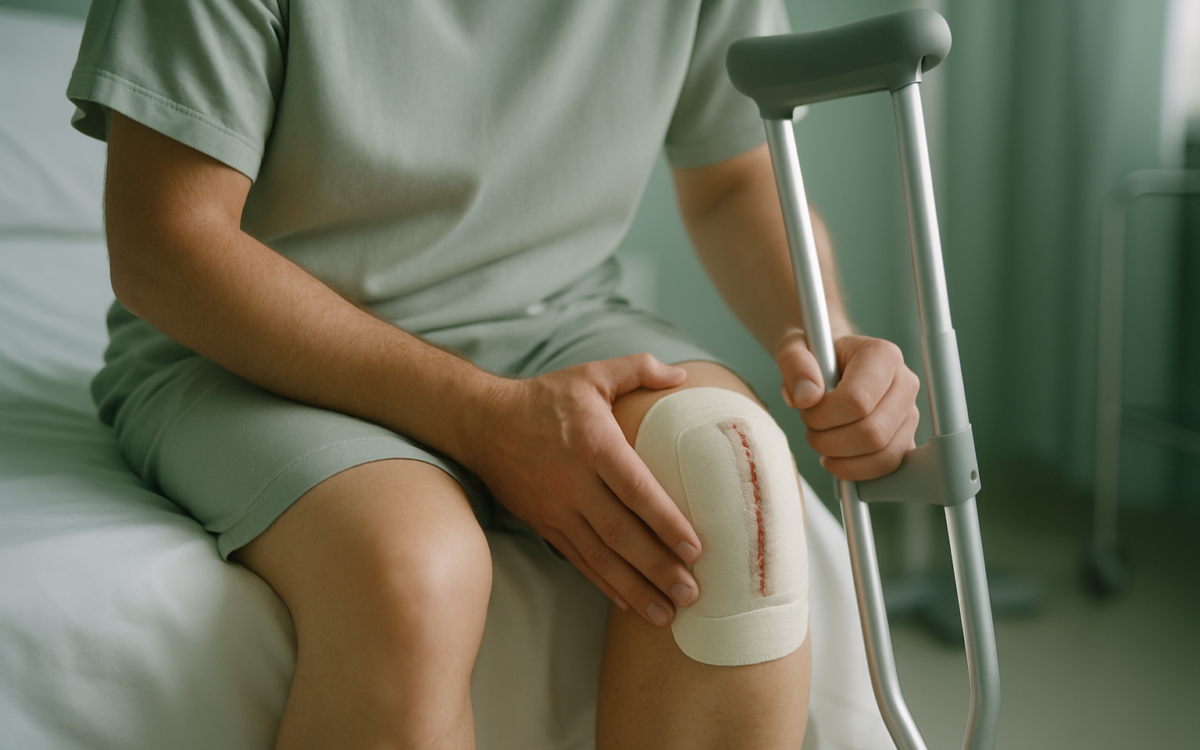
Undergoing knee replacement surgery can be a life-changing decision for those suffering from severe knee pain or mobility issues. While the surgery itself is a significant step towards regaining mobility and reducing pain, the recovery process plays a crucial role in achieving the best possible outcomes. Knowing what to expect during recovery can help patients navigate this challenging period with confidence.
Understanding the Recovery Timeline
The recovery timeline after knee replacement surgery varies from person to person. Generally, patients can expect several key phases during their recovery:
- Immediate Post-Surgery (1-3 Days): After surgery, patients typically spend 1 to 3 days in the hospital for monitoring and initial rehabilitation. Medical staff will help manage pain and begin essential exercises to promote healing.
- First Few Weeks (1-6 Weeks): Patients usually transition to home care or outpatient therapy. During this time, they may experience swelling and discomfort, which should gradually decrease as they start physical therapy.
- Mid-Stage Recovery (6 Weeks – 3 Months): Patients often notice a significant improvement in mobility and strength. Daily activities become easier, and physical therapy continues to be vital in reinforcing exercises.
- Long-Term Recovery (3-6 Months): While many activities can be resumed, a full recovery may take up to a year. Patience during this phase is essential, as the knee continues to heal and strengthen.
Pain Management Strategies
Effective pain management is vital during recovery. While some discomfort is expected, several strategies can help ease pain:
- Medications: Your healthcare provider may prescribe pain relievers to manage post-surgical discomfort. It’s important to follow their guidance on usage.
- Cold Therapy: Applying ice packs to the knee can help reduce swelling and numb the area to alleviate pain.
- Elevation: Keeping your leg elevated can minimize swelling, especially during the first few weeks post-surgery.
- Relaxation Techniques: Practices such as deep breathing, meditation, or gentle yoga can help manage stress and promote emotional wellbeing during recovery.
Essential Exercises and Rehabilitation
Physical therapy is a cornerstone of recovery after knee replacement surgery. A tailored exercise program helps restore strength and flexibility. Common exercises include:
- Heel Slides: Lying down and slowly sliding your heel towards your buttocks helps improve bending motion.
- Quad Sets: Tighten your thigh muscles while keeping your leg straight to promote strength.
- Chair Stands: Practicing moving from sitting to standing helps build functional strength.
- Walking: Gradual walking, either inside or outside, encourages mobility while ensuring a proper gait pattern.
Sometimes, patients choose to seek rehabilitation in specialized facilities, which can provide focused support and advanced therapies. For those considering treatment options around the globe, facilities like acibademinternational.com offer comprehensive programs for knee surgery recovery.
Nutritional Support for Recovery
A balanced diet plays a vital role in recovery by promoting healing and overall health. Here are some key nutritional tips:
- Protein Rich Foods: Incorporating lean meats, fish, eggs, and legumes can help with muscle repair.
- Healthy Fats: Foods like avocados and olive oil offer anti-inflammatory properties that may aid recovery.
- Fruits and Vegetables: High in vitamins and minerals, these foods support immune function and healing.
- Hydration: Staying well-hydrated is crucial. Aim for eight glasses of water daily to keep your body functioning optimally.
Emotional Wellbeing During Recovery
The recovery process can take an emotional toll, and it’s important to acknowledge this. Here are some strategies to maintain emotional wellbeing:
- Stay Connected: Keep in touch with friends and family for support and encouragement.
- Join a Support Group: Sharing experiences with others recovering from similar surgeries can provide comfort and insights.
- Set Realistic Goals: Celebrate small milestones to stay motivated and positive throughout your recovery journey.
When to See a Doctor
While most recovery experiences are positive, certain signs may warrant a call to your healthcare provider:
- Increased pain or swelling that doesn’t improve with typical measures.
- Redness or warmth around the knee that could signal infection.
- Fever or chills that may suggest a more serious complication.
Conclusion
Recovering from knee replacement surgery is a journey that requires patience, dedication, and support. Understanding the recovery timeline, managing pain, engaging in physical therapy, nourishing your body, and maintaining emotional health are all essential aspects of this process. By approaching recovery with a positive mindset and utilizing available resources, you can look forward to a more active and pain-free life.
