
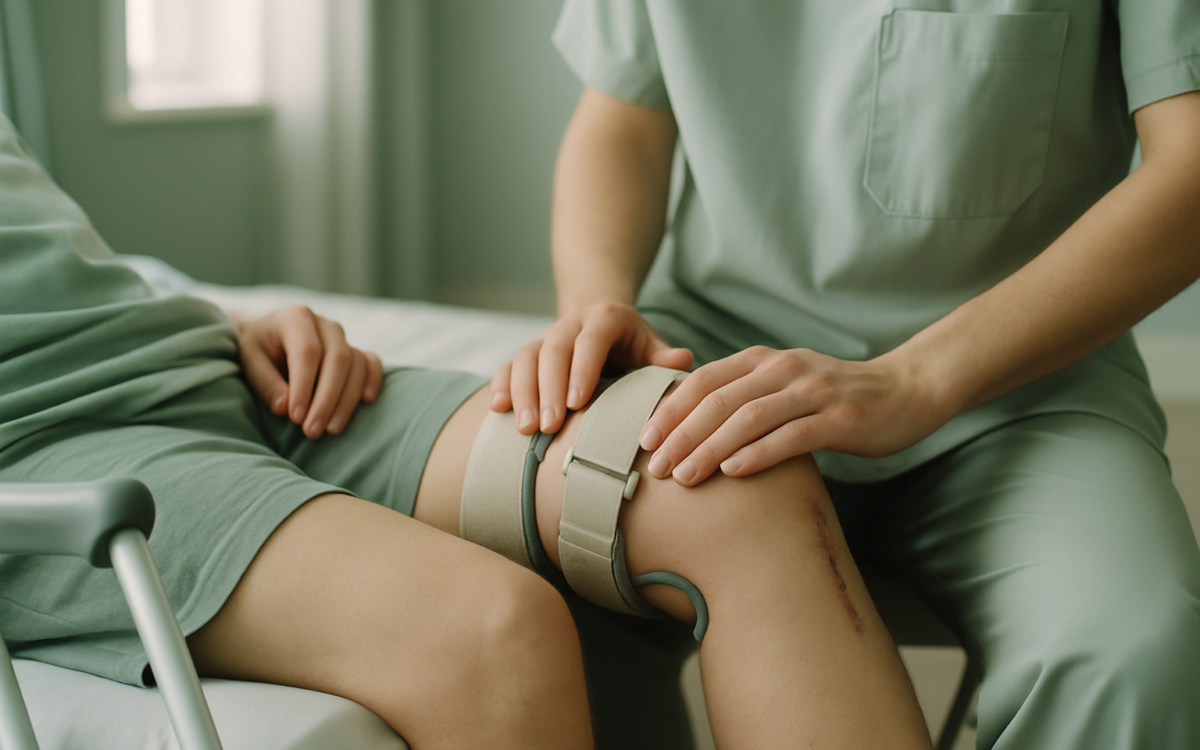
Undergoing a knee transplant, or knee arthroplasty, can give individuals a new lease on life, freeing them from chronic pain and mobility issues caused by conditions like osteoarthritis. However, the journey doesn’t end with the surgery; knee transplant recovery is a significant phase that requires careful attention and effort. Understanding the recovery process can help set realistic expectations and support a smoother healing journey.
What to Expect After Surgery
Post-surgery, it’s common to experience swelling, discomfort, and limited mobility. Patients usually spend a few days in the hospital for observation. During this time, medical staff will monitor vital signs, manage pain, and ensure the surgical site is healing properly. After discharge, the recovery journey begins in earnest.
Recovery Timeline
Recovery from a knee transplant varies for each individual, but several general phases outline what patients can expect:
- First few weeks: After returning home, patients should focus on managing pain and swelling. Ice packs, prescribed medications, and keeping the leg elevated are crucial. Walking aids like crutches or walkers are typically used during this time.
- Weeks 3 to 6: As strength and mobility improve, physical therapy is commonly initiated. Gentle exercises will help restore range of motion, and patients may begin practicing weight-bearing activities under the guidance of a therapist.
- Weeks 6 to 12: Patients often see significant improvements in mobility and strength. By this time, many can transition from using mobility aids to walking independently.
- 3 to 6 months: Continued rehabilitation will focus on building strength and endurance. Most patients can resume daily activities and many low-impact exercises.
- 6 months to 1 year: Final recovery milestones are reached, with ongoing improvements in flexibility and strength. Patients can often return to their favorite activities, depending on their physical condition.
For a more comprehensive understanding, consult resources like the NIH that provide insights into rehabilitation pathways following knee surgery.
Role of Physical Therapy
Physical therapy is a cornerstone of knee transplant recovery. A qualified physical therapist will tailor a rehabilitation program specific to each patient’s needs. They can help with:
- Injury Prevention: Therapists educate patients on preventing further injuries by emphasizing correct movements and techniques.
- Strength Building: Targeted exercises help rebuild muscle strength around the knee, improving overall stability.
- Flexibility Enhancement: Stretching regimens are crucial for regaining and maintaining flexibility in the knee joint.
- Pain Management: Therapists utilize various modalities such as heat, ice, and ultrasound to alleviate pain and promote healing.
Research indicates that patient engagement in physical therapy significantly enhances recovery outcomes, making it an essential component of rehab (NIH).
Pain Management Strategies
Effective pain management is crucial during the recovery phase. Physicians often prescribe pain medications to help manage discomfort. Here are some common strategies:
- Medications: Non-steroidal anti-inflammatory drugs (NSAIDs) and opioids can be part of the pain management regimen.
- Ice Therapy: Applying ice to the knee can reduce swelling and relieve pain.
- Compression: Using compression bandages helps control swelling and offers support.
Consult with your healthcare provider to devise a personalized pain management plan that’s effective and safe.
Support System for Recovery
A strong support system can make a significant difference in the recovery experience. Family members and friends can assist with daily activities and emotional support. Additionally, joining a support group with fellow knee transplant patients can provide valuable insights and encouragement. Sharing experiences can ease anxiety and boost morale during tough days.
Potential Challenges in Recovery
While most people recover well, some may face challenges, including:
- Infection: Even with careful monitoring, infections can occur. It’s crucial to watch for signs of infection, such as increased redness, swelling, or unusual discharge.
- Blood Clots: The risk of blood clots increases after surgery, so following your physician’s guidance about mobility exercises and medications to prevent clots is important.
- A Persistent Pain: Some individuals may experience prolonged pain or stiffness. If pain persists despite treatment, consulting a healthcare provider is essential for evaluating the underlying cause.
For more information on post-operative challenges, the CDC offers guidelines and tips for post-surgical care.
When to See a Doctor
It’s important to maintain communication with your healthcare team throughout your recovery. You should contact your doctor if you experience:
- Severe pain that does not improve with prescribed medications.
- Signs of infection, including fever, redness, or drainage from the incision site.
- Swelling that does not subside or is accompanied by increased pain.
- Any new or worsening symptoms that concern you.
Your healthcare provider can provide advice and assistance that is specific to your individual situation.
In conclusion, knee transplant recovery is a comprehensive process that requires patience, adherence to recovery protocols, and a supportive environment. Being informed about what to expect and engaging in recommended therapies dramatically improves recovery outcomes. With diligence and support, many patients find the journey back to an active lifestyle quite rewarding.
