
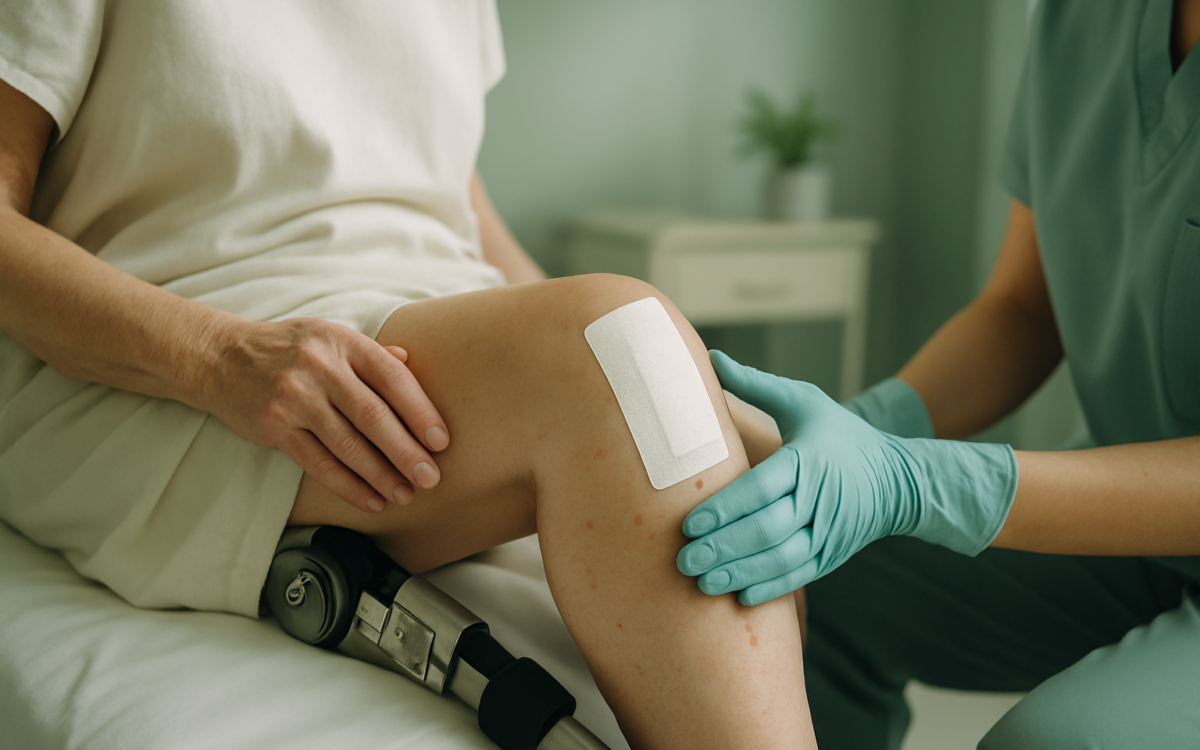
Knee replacement surgery can be a turning point for those suffering from persistent knee pain and mobility issues. Whether due to arthritis, injury, or degenerative conditions, many find relief and improved quality of life after undergoing this procedure. However, the recovery process can be challenging and requires patience, commitment, and care. This guide will help you navigate the essential stages of recovery and rehabilitation.
Understanding the Recovery Timeline
After knee replacement surgery, understanding what to expect in terms of recovery time is crucial. Typically, the complete recovery can take several months, but the journey begins right after the surgery.
- Days 1-3: Initial recovery usually occurs in the hospital. Medical staff will monitor your pain levels, teach you how to use crutches or a walker, and encourage gentle movement.
- Weeks 1-4: Many patients can return home. Physical and occupational therapy often starts, focusing on regaining range of motion and independence in daily activities.
- Weeks 4-12: Most people continue outpatient therapy or exercises at home. You might be able to resume light activities, and pain and swelling typically reduce as healing progresses.
- 3-6 Months: Many patients report significant improvements in mobility and pain levels. By this point, you often can return to most of your regular activities, though high-impact sports may still be off-limits.
Physical Therapy and Rehabilitation
Physical therapy plays a vital role in recovery after knee replacement surgery. Engaging in prehab—the exercises and routines performed before surgery—can help maximize your results afterward. A physical therapist will create a customized rehabilitation program suited to your individual needs.
Key components of rehabilitation include:
- Strength exercises: Focus on gaining strength in the quadriceps, hamstrings, and calf muscles.
- Stretching routines: Promote flexibility to regain full range of motion.
- Balance training: Aim to improve stability to prevent falls as you become more mobile.
Many rehabilitation programs also emphasize educating patients about proper body mechanics and how to prevent future injuries.
Managing Pain and Discomfort
Post-surgery pain is normal, but managing it effectively can enhance your recovery experience. Your doctor may prescribe medications to relieve pain and inflammation. It’s essential to communicate with your medical team about any discomfort and to follow their recommendations for medication usage.
In addition to medication, consider these techniques to manage pain:
- Ice application: Use ice packs on your knee for about 20 minutes every hour to reduce swelling and numb the area.
- Elevation: Keep your knee elevated above heart level to help decrease swelling.
- Compression: Wearing a compression wrap or stocking can help manage swelling and promote blood flow.
Always consult your healthcare provider before trying new pain management strategies.
Nutrition for Optimal Recovery
A well-balanced diet is fundamental during the recovery process. Proper nutrition can aid in healing, boost your immune system, and maintain your energy levels.
Focus on incorporating these dietary elements into your meals:
- Protein: Vital for tissue repair; include sources like lean meats, beans, and nuts.
- Fruits and vegetables: Rich in vitamins and minerals that support healing and reduce inflammation.
- Hydration: Staying well-hydrated is essential, especially if you’re taking medications that may cause dehydration.
If you’re considering treatment options from abroad, explore international patient services. Many health facilities can provide excellent care and support tailored to your rehabilitation needs.
Adaptive Equipment and Living Modifications
As you recover, using adaptive equipment can make everyday tasks easier and safer. Devices such as grab bars in the bathroom, elevated toilet seats, and reachers can help minimize strain on your knee joint while you recover.
Consider modifying your living space for improved accessibility:
- Clear pathways: Ensure walkways are free from clutter to prevent falls.
- Non-slip mats: In areas like the bathroom, these can enhance safety.
- Furniture placement: Arrange furniture to allow easy movement and access to commonly used items.
When to See a Doctor
While some discomfort is expected after knee replacement surgery, certain symptoms should prompt you to consult your doctor:
- Increased pain that doesn’t improve with rest or medication
- Swelling that worsens over time or doesn’t improve
- Signs of infection, such as fever, chills, or wound redness
- Unusual numbness or tingling in your leg
Being proactive about your health can prevent complications and ensure a better recovery experience.
In conclusion, while knee replacement surgery can significantly enhance your quality of life, the recovery process is vital to ensuring its success. By following the recovery timeline, engaging in rehabilitation, managing pain, eating well, and making necessary adaptations, you can navigate this journey with confidence and set the stage for a brighter, more active future.
