
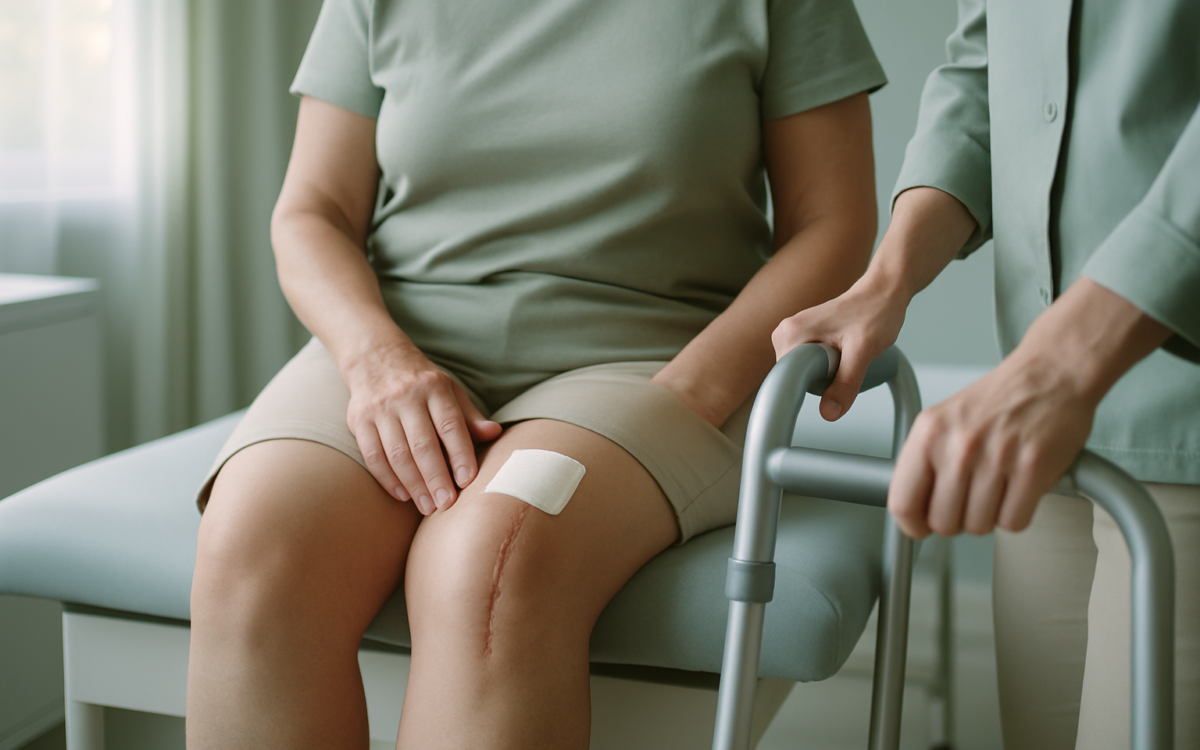
The journey to recovery after knee replacement surgery can feel overwhelming. From managing pain to regaining mobility, many factors come into play. Understanding what to expect during the recovery process is crucial for a smoother transition and better outcomes. In this article, we’ll explore helpful tips for rehabilitation, pain management, and returning to daily activities post-knee replacement.
The Recovery Timeline
Typically, the recovery period after knee replacement surgery spans several weeks to months, with notable milestones along the way. Here’s a general timeline to help set your expectations:
- First Few Days: You’ll likely be in the hospital for a few days. During this time, medical staff will help manage your pain and begin physical therapy.
- First Two Weeks: Most patients return home within a few days. Use this time to rest, elevate your leg, and follow your therapist’s guidelines.
- Weeks 3-6: You’ll gradually increase your activities and exercises, typically focusing on improving strength and mobility.
- 6 Weeks to 3 Months: Continued physical therapy will enhance your recovery. Many patients reach significant milestones during this phase, such as walking without assistive devices.
Keep in mind that every individual’s recovery is unique, and following your healthcare team’s plan is essential for the best results.
Physical Therapy and Exercises
Physical therapy is a fundamental part of recovery. A well-planned rehabilitation program will involve exercises that help restore function and improve strength. Some common exercises include:
- Range of Motion Exercises: These include gentle bending and stretching of the knee to regain flexibility and prevent stiffness.
- Strengthening Exercises: Focus on strengthening the quadriceps and hamstrings to provide support to the knee.
- Balance Activities: These exercises help improve your stability and reduce the risk of falls.
Working with a physical therapist ensures you are doing the right exercises for your recovery stage. They will modify exercises based on your progress and any specific concerns.
Pain Management Strategies
It’s common to experience pain after knee replacement surgery, but knowing how to manage it can make a significant difference. Here are some strategies:
- Medications: Over-the-counter or prescribed pain relievers can be effective in managing discomfort. Always consult your healthcare provider about the best options.
- Ice Therapy: Applying ice to the knee can help reduce swelling and ease pain. Use it for 15-20 minutes at a time.
- Elevation: Keeping the leg elevated can minimize swelling and promote healing.
Finding a pain management routine that works for you is critical to staying active during recovery. Don’t hesitate to reach out to your doctor if you find your pain is not adequately controlled.
Returning to Daily Activities
As you progress in your recovery, you may wonder when you can return to daily activities. It’s essential to listen to your body and consult with your healthcare team. Here are some general guidelines:
- Walking: Many people can resume walking short distances around two weeks after surgery.
- Driving: Most patients can drive 4-6 weeks post-surgery, provided they feel comfortable and are no longer taking narcotic pain medication.
- Exercise & Sports: Low-impact activities like swimming or cycling can often be resumed around 6-12 weeks. High-impact sports may require a longer wait.
Prioritize safety and comfort as you reintroduce activities into your life. Gradual exposure will help ensure that you do not overexert yourself.
Emotional Well-being
It’s also common to experience a range of emotions after surgery—from excitement about regaining mobility to frustration with the recovery process. Acknowledge your feelings and consider these tips:
- Stay Connected: Share your feelings with friends, family, or support groups to help lighten the load.
- Set Realistic Goals: Focus on gradual improvements rather than expecting quick results.
- Practice Mindfulness: Techniques such as meditation or gentle yoga can enhance emotional well-being and reduce stress.
Your emotional health is just as important as your physical recovery. Be gentle with yourself and seek support if needed.
When to See a Doctor
While some level of discomfort is expected, certain signs indicate a need for medical attention. Contact your healthcare provider if you experience:
- Increased swelling or redness around the knee
- Persistent pain that worsens despite treatment
- Fever or chills, which could indicate infection
- Limited range of motion that doesn’t improve
Being proactive about your health will contribute to a successful recovery.
In conclusion, the post-knee replacement phase can present challenges, but it’s also a time of significant healing and improvement. By embracing a structured rehabilitation plan, managing pain effectively, and focusing on your emotional well-being, you can enhance your recovery experience. Always consult your healthcare team to tailor a plan that’s right for you and supports your journey to a healthier, more active lifestyle.
