
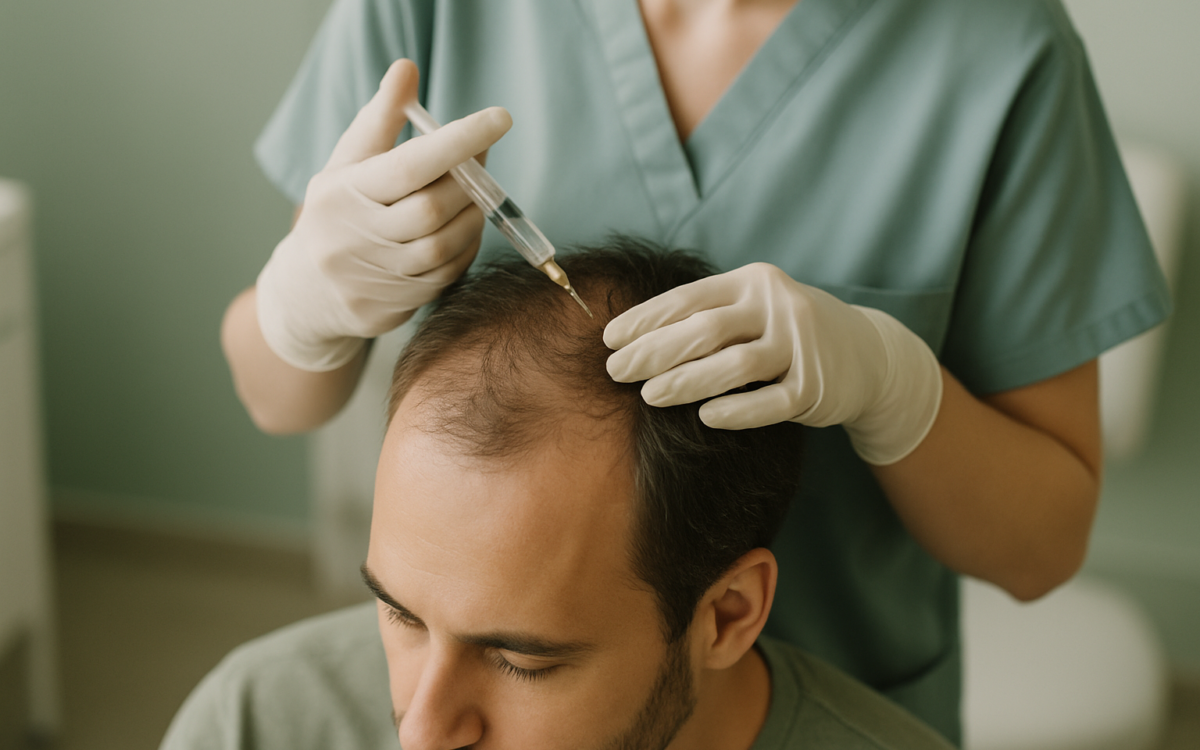
For many men, the experience of hair loss can be uncomfortable and challenging. Whether it’s the result of genetics, hormonal changes, or environmental factors, thinning hair is a common concern that affects self-esteem and confidence. Yet, there are various paths to explore for restoring hair and embracing a fuller mane. In this article, we’ll unpack the different methods of male hair restoration, from conventional treatments to lifestyle adjustments that may help.
Understanding Male Hair Loss
Before diving into the solutions, it’s essential to understand what causes male hair loss. Male pattern baldness, or androgenetic alopecia, is the most prevalent type of hair loss in men, stemming from genetic predispositions and hormonal fluctuations. Other factors contributing to hair loss include:
- Medical conditions like thyroid disorders
- Stress and anxiety
- Poor nutrition and inadequate dieting
- Excessive hairstyling or use of harsh products
Recognizing the root cause of hair loss can help guide effective restoration methods.
Over-the-Counter Treatments
For many men, the first line of defense against hair loss comes in the form of over-the-counter treatments. Two FDA-approved products dominate this category:
Minoxidil
Minoxidil is a topical solution applied directly to the scalp. It works by stimulating hair follicles and promoting hair growth. Regular use often leads to noticeable improvements after several months, making it a popular choice for many men. However, it is vital to continue its use indefinitely to maintain any gains since hair can revert to its previous state if treatment is stopped. [Learn more at the NIH]
Finasteride
Finasteride is an oral prescription medication that inhibits the hormone dihydrotestosterone (DHT), believed to be a primary factor in male baldness. By blocking DHT, finasteride can slow hair loss and, in some cases, stimulate regrowth. However, it’s essential to consult a healthcare provider to discuss potential side effects and whether this medication is appropriate. [More information from the Mayo Clinic]
Hair Transplantation Techniques
For those seeking more permanent solutions, surgical hair restoration techniques offer a viable alternative. Two popular methods include:
Follicular Unit Transplantation (FUT)
FUT involves extracting a strip of hair from a donor site on the scalp, then dividing it into individual follicular units for transplantation. This method is effective for larger areas of hair loss, but the recovery process can take time as the incision heals.
Follicular Unit Extraction (FUE)
FUE, on the other hand, is less invasive. In this method, individual follicles are harvested directly from the scalp using a specialized tool. It leaves minimal scarring, and patients often experience quicker recovery times. Both options can lead to significant improvements in hair density and appearance.
Addressing Lifestyle Factors
While medical treatments are a significant part of hair restoration, a holistic approach that includes lifestyle modifications can enhance results. Consider the following:
Nutrition
A balanced diet rich in essential vitamins (like B vitamins, iron, and zinc) can foster a healthier scalp and hair. Incorporating plenty of fruits, vegetables, lean proteins, and whole grains can contribute to overall hair health.
Stress Management
High stress levels can trigger or worsen hair loss. Engaging in stress-reducing activities such as yoga, meditation, or regular exercise can benefit both mental health and hair growth.
Proper Hair Care
How you treat your hair matters. Avoiding excessive chemicals, heat styling, and tight hairstyles can prevent additional damage and breakage.
Natural Remedies and Supplements
Some men explore natural remedies and dietary supplements as complementary treatments for hair restoration. While scientific backing varies, certain ingredients may offer potential benefits. These include:
Biotin
Often marketed as a beauty supplement, biotin may support hair health, but evidence is mixed. It may help strengthen hair and reduce breakage in some individuals.
Essential Oils
Some people use essential oils like rosemary or peppermint oil to increase scalp circulation, although research is limited. Always dilute essential oils in a carrier oil and consult a healthcare provider before topical application.
When to see a doctor
If you notice sudden hair loss or changes in your scalp, it’s important to consult a healthcare professional. A doctor can help identify underlying medical conditions, assess your hair loss, and recommend appropriate treatments tailored to your needs.
Conclusion
Male hair restoration is a multifaceted journey that can be approached through various methods, from pharmaceuticals to lifestyle changes. By understanding the causes of hair loss and exploring available treatments, men can make informed decisions about restoring their confidence. Remember, each individual’s experience with hair loss is unique, and what works for one person may not work for another. It’s always wise to consult with a healthcare professional before starting any new treatment.
