
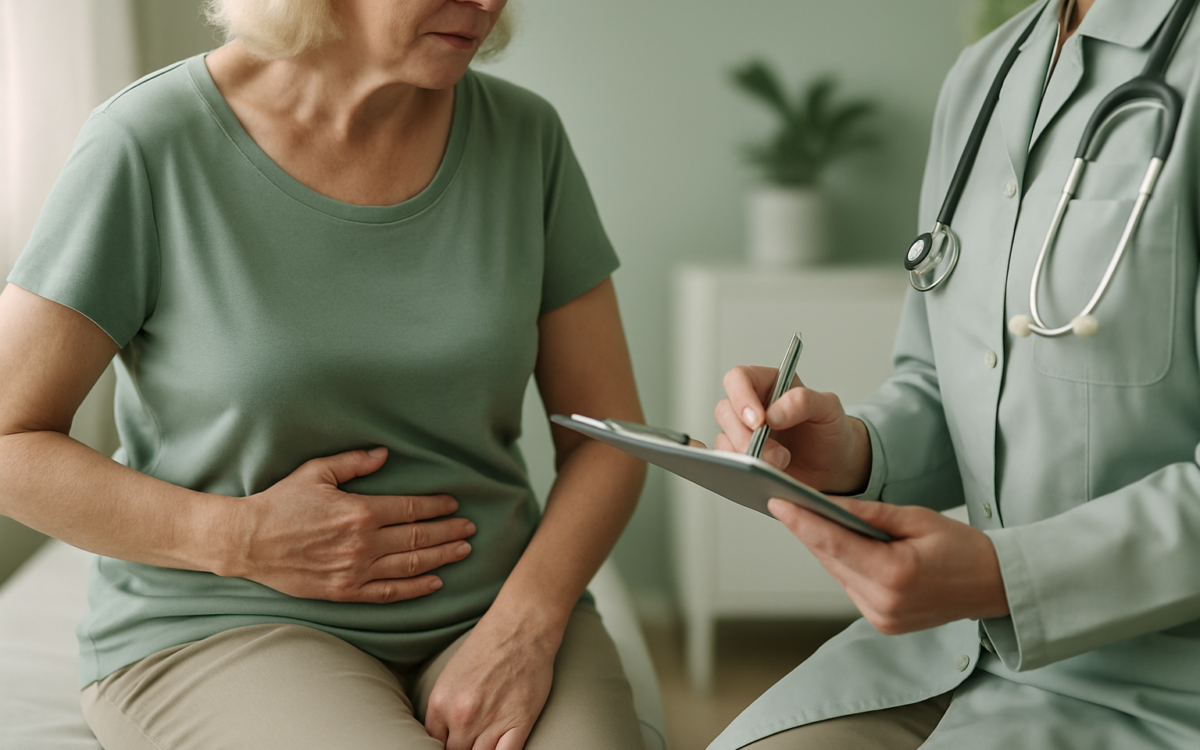
Menopause is a natural stage of life that marks the end of a woman’s menstrual cycles, typically occurring between the ages of 45 and 55. While it can bring relief from the monthly discomfort of periods, it often comes with its own set of challenges. Many women experience various symptoms during menopause, which can continue into the postmenopausal phase. Understanding these changes is crucial for managing health and well-being.
What Happens During Menopause?
Menopause is defined as 12 consecutive months without a menstrual period. It usually occurs due to a decline in hormonal production, particularly estrogen and progesterone, from the ovaries. Such hormonal changes can lead to several physical and emotional symptoms.
- Hot Flashes: Many women will experience sudden feelings of warmth, often followed by sweating and chills.
- Night Sweats: These hot flashes that occur at night can interfere with sleep, leading to fatigue.
- Vaginal Dryness: Reduced estrogen can cause dryness and discomfort during intercourse.
- Mood Changes: Some women may experience mood swings, anxiety, or depression.
- Weight Gain: Hormonal changes can also influence weight, often leading to weight gain around the abdomen.
Postmenopausal Symptoms
Postmenopause refers to the period following menopause. While many of the menopause symptoms may taper off, some women face long-term changes that require attention.
- Bone Health: The decline in estrogen increases the risk of osteoporosis, making bones weaker and more susceptible to fractures.
- Cardiovascular Health: Heart disease risk increases after menopause due to hormonal changes.
- Sexual Health: Vaginal dryness may persist, contributing to discomfort during sex and affecting relationships.
Holistic Approaches to Managing Symptoms
Women experiencing menopause and postmenopause can benefit from a holistic approach that incorporates various lifestyle changes, including diet, exercise, and stress management.
Diet and Nutrition
Maintaining a balanced diet can be beneficial. Focus on:
- Calcium and Vitamin D: Essential for maintaining bone health. Include dairy, leafy greens, and fortified foods.
- Whole Grains: Foods like brown rice, quinoa, and oats provide essential nutrients and help manage weight.
- Fruits and Vegetables: Aim for a variety of colorful options to ensure broad nutrient intake.
Exercise
Regular physical activity can alleviate symptoms and improve overall health. Consider:
- Aerobic Exercise: Activities like walking, swimming, and cycling can boost heart health and help with weight management.
- Strength Training: Helps in maintaining muscle mass and bone density.
- Yoga and Pilates: Can improve flexibility and reduce stress.
Stress Management
Stress can exacerbate menopause symptoms. Techniques such as mindfulness, meditation, and deep breathing exercises can be beneficial. Engaging in hobbies or social activities can also enhance mental well-being.
International Treatment Options
For women considering different treatment options for menopause symptoms, seeking international expertise can provide additional perspectives. Resources like international patient services can help women explore leading treatments, including hormone replacement therapy (HRT) and alternative therapies used in various cultures.
When to See a Doctor
While menopause is a natural process, some symptoms may warrant a visit to the doctor. Consider scheduling an appointment if:
- Your symptoms significantly impact your daily life.
- You have concerns about bone health or cardiovascular risk.
- You experience severe mood changes or depression that is unmanageable.
Conclusion
Menopause and postmenopause can bring significant changes to a woman’s body and mind. By understanding these transitions and taking proactive steps, women can better navigate this stage of life. Remember that you’re not alone; support from healthcare providers, family, and friends is essential. Consult your doctor for guidance tailored to your needs.
