
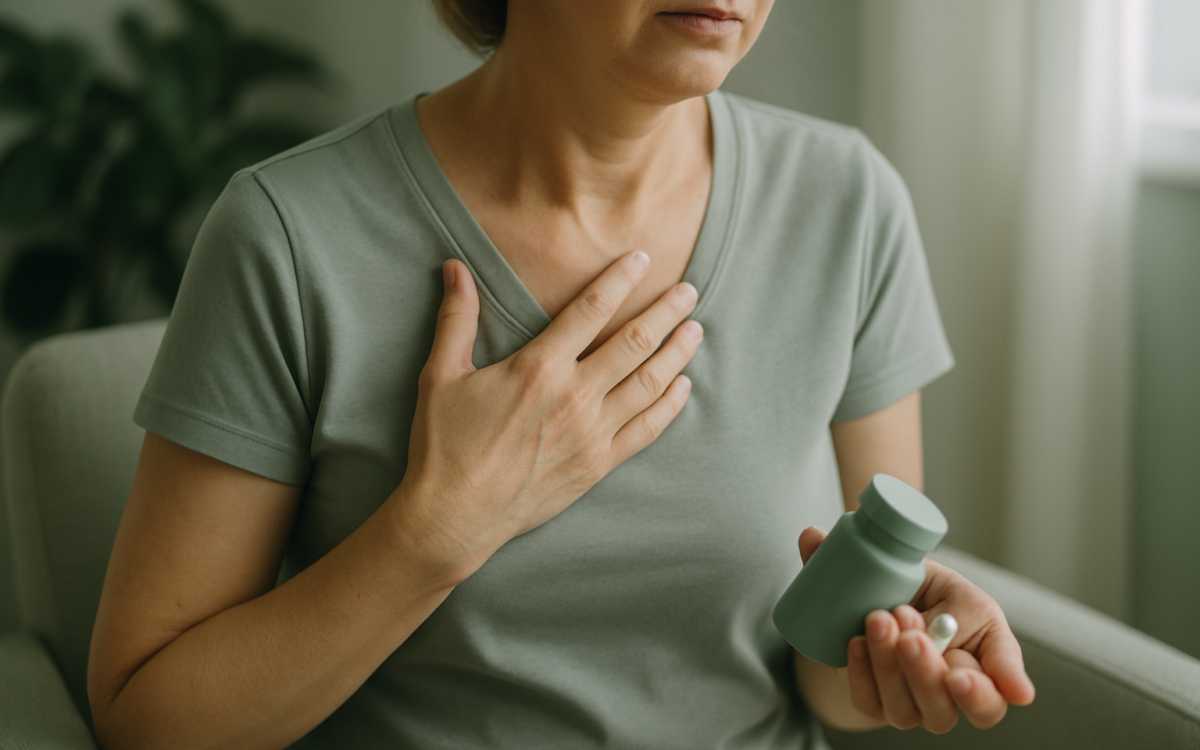
Entering menopause can be a challenging phase for many women, with symptoms like hot flushes often making life uncomfortable. These sudden feelings of warmth, which can be accompanied by sweating and a rapid heartbeat, can disrupt daily activities and affect emotional well-being. Thankfully, there are various approaches to managing hot flushes, from lifestyle adjustments to medical treatments.
Understanding Hot Flushes
Hot flushes, also known as hot flashes, are a hallmark of menopause, typically occurring when estrogen levels drop. The exact cause of hot flushes varies from person to person, but they usually happen as the body adjusts to hormonal changes. By understanding the mechanics of hot flushes, women can better manage their symptoms and find appropriate treatment options.
Embracing Lifestyle Changes
Often, simple lifestyle changes can help alleviate the discomfort of hot flushes. Here are a few strategies:
- Dress in Layers: Wearing lightweight, breathable fabrics can help you regulate your body temperature.
- Stay Cool: Keep your living and sleeping areas cool. Consider using fans and air conditioning as needed.
- Limit Triggers: Identify and avoid foods that may trigger hot flushes, such as caffeine, alcohol, and spicy foods.
- Practice Relaxation Techniques: Activities like yoga and meditation can help reduce stress and the frequency of hot flushes.
- Regular Exercise: Engaging in regular physical activity can help manage weight, improve mood, and may reduce the likelihood of hot flushes.
Medical Treatments for Hot Flushes
If lifestyle changes aren’t sufficient, various medical treatments can help manage hot flushes. Women often consider the following options:
Hormonal Therapy
Hormonal therapy, specifically estrogen therapy, is a common treatment for moderate to severe hot flushes. This treatment works by replenishing the estrogen levels that naturally decrease during menopause. It’s important to discuss potential benefits and risks of hormonal therapy with your healthcare provider to determine if it’s the right option for you. Women who have a history of certain health issues, like blood clots or some types of cancer, may need to explore alternative treatments.
Non-Hormonal Medications
For those who are not suitable candidates for hormonal therapy, several non-hormonal medications have shown promise. These include:
- Antidepressants: Some SSRIs and SNRIs can help reduce the frequency and severity of hot flushes.
- Gabapentin: Originally used to treat nerve pain, gabapentin has been found to be effective in reducing hot flushes.
- Clonidine: This medication, typically used for high blood pressure, can help lessen the intensity of hot flushes.
Natural Remedies and Supplements
In addition to medical treatments, some women may find relief from using natural remedies or dietary supplements. Options such as black cohosh, flaxseed, and evening primrose oil have been studied for their potential to alleviate hot flushes. However, it’s wise to consult with your healthcare provider before starting any new supplement, as they can interact with other medications and may not be suitable for everyone.
Seeking International Options for Treatment
For women considering different approaches to managing hot flushes, international treatment options, such as treatment in Turkey, can provide diverse perspectives and potential solutions. Various clinics abroad offer specialized care and alternative treatment modalities that can vary from what is available locally. Researching these options may help women find a treatment plan that best suits their individual needs in a supportive setting.
When to See a Doctor
If hot flushes are significantly impacting your quality of life, it may be time to consult a healthcare professional. They can help identify potential underlying causes, suggest appropriate treatments, and guide you through what options may work best for you. Never hesitate to seek medical advice, especially if hot flushes are accompanied by other troubling symptoms.
Conclusion
Menopause and hot flushes are a natural part of life for many women. Through lifestyle changes, medical treatments, and possibly exploring international options, there are many paths to finding relief. Understanding your body and working closely with your healthcare provider can lay the groundwork for a smoother journey through this transitional period.
